Best Lumens for Security Lighting How Many Do You Need?

Time:2026-07-22 Author:Liam
0%

When considering the safety of your property, effective security lighting plays a crucial role. One of the most pressing questions homeowners ask is, "how many lumens do I need for security lighting?" The answer hinges on several factors. The area that needs illumination, the brightness of the surrounding environment, and the purpose of the light are all vital considerations.

A well-lit space can deter potential intruders. However, too much light can create glare or disturb neighbors. Achieving a balance is essential. For instance, a small garden may require fewer lumens, while a larger commercial property will need significantly more.

Understanding lumens is key to effective security lighting. It's not merely about installing the brightest lights available. It's about strategically placing them to ensure safety and visibility. As you delve into this topic, reflect on your space's unique needs. This thoughtful approach can lead to a more secure and welcoming environment.
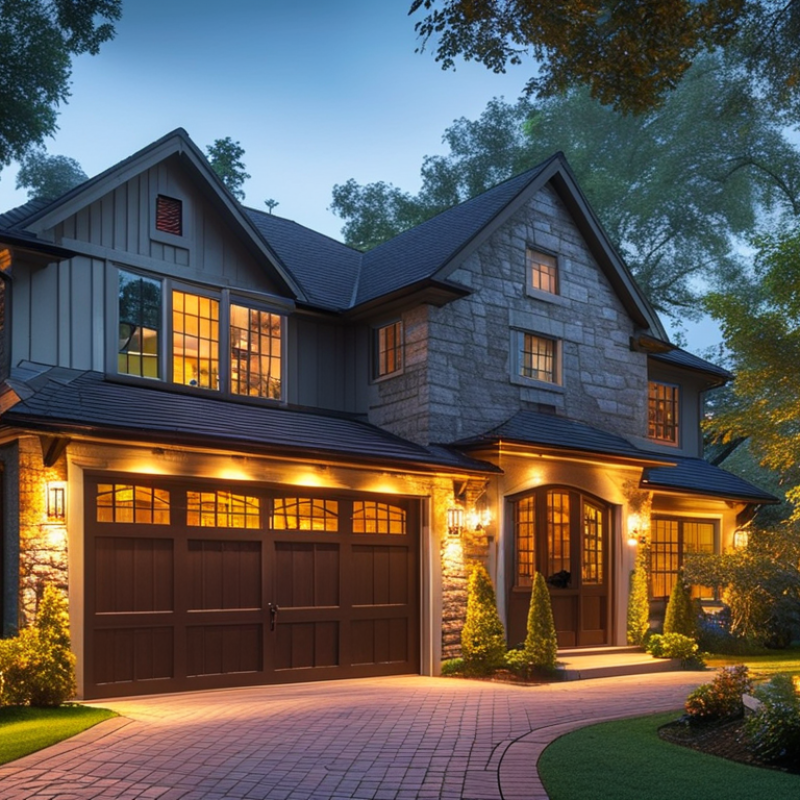
Best Lumens for Security Lighting How Many Do You Need?

Understanding Lumens and Their Role in Security Lighting

When discussing security lighting, understanding lumens is crucial. Lumens measure the brightness of light. The right amount of lumens enhances safety and deters crime. According to the Illuminating Engineering Society, good outdoor lighting should range from 100 to 200 lumens per square foot for effective security. This range provides adequate illumination without causing light pollution.

The placement of lights also affects how many lumens you need. For example, a driveway may require 100 to 300 lumens per fixture. In contrast, pathways usually need about 50 to 150 lumens. Strategic placement can enhance visibility. Some reports suggest that well-lit areas reduce crime rates by up to 40%. However, too much light can create harsh shadows or glare. Balancing brightness and softness is essential.

Understanding your specific environment is key. Factors like local crime rates, typical foot traffic, and desired visibility can dictate your lumen needs. It's not just about choosing the brightest option. Finding the right lumens can involve trial and error. Assessing your space regularly allows for adjustments and improvements in your security lighting strategy.

Optimal Lumens for Different Security Lighting Applications

When it comes to security lighting, understanding lumens is essential. Lumens measure brightness and directly impact visibility. For residential security lighting, experts recommend between 700 to 1,000 lumens for effective illumination. This range can deter intruders and enhance safety when navigating entryways. Data from safety studies indicate that well-lit areas reduce crime by up to 30%.

For outdoor spaces like garages or backyards, 1,200 to 2,000 lumens provide ample light. This level ensures dark corners and pathways remain visible. High-intensity lighting can illuminate larger areas without creating harsh glares. However, some may find excessively bright lights overwhelming and intrusive. It’s critical to balance brightness with comfort.

Commercial spaces have different requirements. They typically need around 2,000 to 10,000 lumens, depending on the area size. For parking lots, brighter lights are necessary to enhance security. However, over-lighting can lead to unwanted shadows. Finding the optimal lumens is a reflection of safety, visibility, and practicality.

Optimal Lumens for Different Security Lighting Applications

Factors Influencing the Required Lumens for Effective Security

When selecting the right lumens for security lighting, several factors influence the overall effectiveness. The location is crucial. For instance, outdoor areas may require higher lumens than indoor spaces. Typically, a range of 200 to 700 lumens can provide adequate illumination for walkways and driveways. However, more expansive areas like parking lots might necessitate 1,000 lumens or more.

The type of security task also matters. Areas with high crime rates may benefit from enhanced lighting. Studies suggest that improved visibility can reduce crime by up to 50%. Bright lighting allows for better surveillance and can deter potential intruders. Also, environmental features like nearby trees or buildings can cast shadows and inhibit light. This means even well-designed lights may not reach their full potential.

Additionally, weather conditions can affect how light is perceived. Rain or fog can diminish visibility, requiring more lumens than a clear night would. It’s important to assess your unique situation. Lighting intensity should be tailored to every environment. Too few lumens can create dark spots, while excessive brightness may cause light pollution. Balancing these variables is essential for effective security lighting.

Comparing Lumens to Other Lighting Metrics for Security

When it comes to security lighting, lumens play a crucial role in determining brightness. Understanding lumens is essential for selecting effective lighting solutions. For example, a typical security light can range from 700 to 2,000 lumens. However, this number can vary based on the specific security needs of an area. Higher lumen counts are necessary for large spaces, while smaller areas may require fewer lumens.


Comparing lumens to other lighting metrics is vital. For instance, color temperature and beam angle also influence the effectiveness of security lighting. The  Illuminating Engineering Society  suggests that security lights should have a minimum of 3000 Kelvin for adequate visibility. This ensures clear recognition of faces and objects. In addition, a narrow beam angle can enhance focus on particular areas and increase security.


Tips: Consider where you position security lights. Well-lit corners deter intruders. Don’t forget about motion sensors; they save energy and enhance security. Proper placement and configuration can sometimes matter more than the total lumen output. Aim for a balance between brightness and coverage for optimal results.

Common Security Lighting Scenarios and Recommended Lumen Levels

When it comes to security lighting, understanding lumens is essential. Different scenarios require varying amounts of light. For instance, a backyard often needs around 100 to 200 lumens per square foot. This level provides enough brightness to deter unwanted visitors and ensure visibility for residents.

In contrast, pathways often benefit from lower levels, typically around 50 to 100 lumens. This amount allows for safe navigation without overwhelming brightness. On the other hand, areas requiring heightened security, like driveways or garages, can demand 300 to 400 lumens. Such intensity grants clear visibility, enabling quick identification of any movement or potential threats.

It’s worth noting that too much light can create glare, resulting in blind spots. This paradox can hinder safety rather than enhance it. Lighting should be strategically placed to minimize shadows while ensuring areas are well-lit. Individuals should engage with their space, adjusting the lighting until they achieve a balance that feels secure yet comfortable.

FAQS

: What are lumens and why are they important in security lighting?

: Lumens measure brightness. They enhance safety and deter crime. The right amount of lumens is crucial for effectiveness.

How many lumens are recommended for residential areas?

Experts suggest using 700 to 1,000 lumens for residential security lighting. This level deters intruders and improves visibility.

What about lumens required for outdoor spaces?

For garages or backyards, 1,200 to 2,000 lumens are advisable. This ensures dark corners remain visible, enhancing safety.

How do crime rates influence lumen needs?

Areas with higher crime rates often need brighter lights. Enhanced visibility can reduce crime rates significantly, by up to 50%.

What factors affect the required lumen levels?

Location, type of security task, and environmental features all affect lumen needs. Shadows from nearby objects can hinder light.

Can weather conditions impact lighting effectiveness?

Yes, rain or fog can reduce visibility. You may need more lumens on cloudy days than on clear nights.

What happens if you use too few lumens?

Using too few lumens can create dark spots. This can allow potential intruders to hide unnoticed in your space.

Is it possible to have too much brightness?

Yes, overly bright lights can cause glare and harsh shadows. This balance of light is essential for comfort and visibility.

How should one assess their space for lumens?

Regular assessments are important. Trial and error can help you adjust and improve your security lighting strategy over time.

Can lumens vary based on the task?

Absolutely. Different tasks may require different brightness levels. Tailoring your lighting to specific situations is key for effectiveness.

Conclusion

When considering how many lumens do I need for security lighting, it's essential to understand the role of lumens in enhancing safety and visibility. Lumens measure the brightness of light, and the optimal level required can vary depending on the specific application, such as illuminating doorways, driveways, or larger outdoor areas.

Factors influencing the required lumens include the location's size, the height of the fixtures, and surrounding environmental conditions. Comparing lumens to other lighting metrics also helps to ensure a comprehensive approach to security lighting. For common scenarios, such as residential yards or commercial properties, recommended lumen levels may differ significantly, with higher lumens often necessary for open spaces compared to confined areas. Understanding these principles allows homeowners and businesses to select the right security lighting effectively.

Liam

Liam

Liam is a dedicated marketing professional with a profound expertise in the industry, where he excels at highlighting the unique advantages of our core products. With a keen understanding of market trends and consumer needs, Liam frequently updates our company’s professional blog, providing......