When considering outdoor lighting, one critical question emerges: what is the best wattage for outdoor LED flood lights? As we approach 2026, industry experts emphasize the need for efficient lighting solutions that balance brightness with energy usage. According to the International Energy Agency (IEA), LED technology now accounts for over 60% of the global lighting market, due to its energy efficiency and longevity compared to traditional bulbs.
Recent studies indicate that for residential outdoor spaces, a wattage range of 30 to 100 watts is optimal for flood lights. This range typically provides sufficient illumination while minimizing energy costs. Moreover, locations with higher safety or visibility requirements may leverage lights over 100 watts. However, the ideal wattage often depends on specific usage needs.
Many consumers grapple with selecting the right wattage. Selecting too high a wattage can lead to unnecessary energy consumption, contributing to inflated utility bills. Conversely, too low wattage might fail to provide adequate lighting. This balance is pivotal, as outdoor environments require sufficient lighting for safety and aesthetics, while also promoting energy conservation.
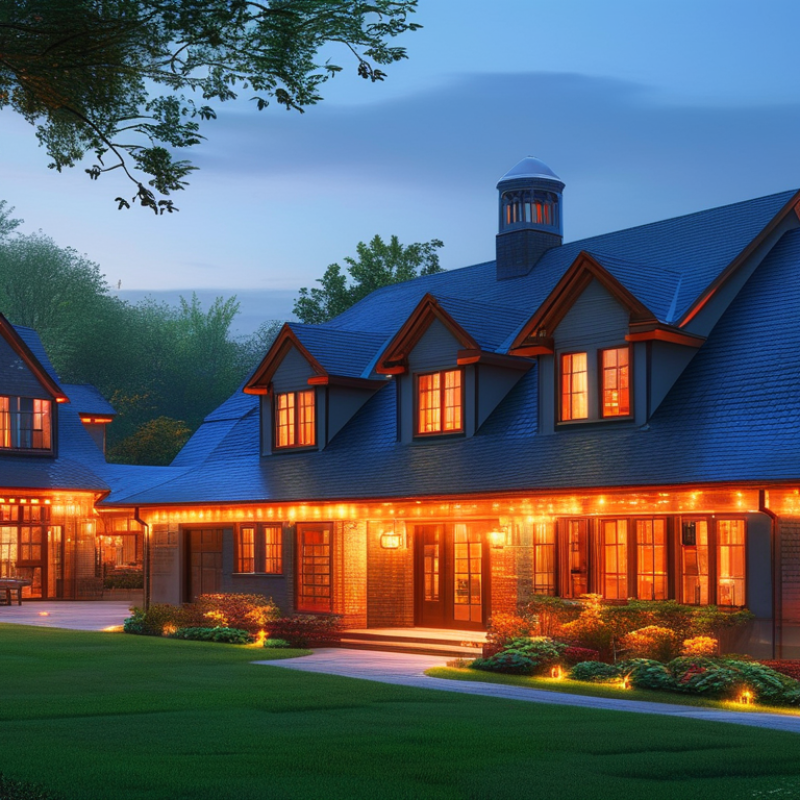
Best Wattage for Outdoor LED Flood Lights in 2026: An Overview
In 2026, choosing the right wattage for outdoor LED flood lights is crucial.
Generally, wattage defines brightness and energy efficiency. Most homeowners find that a range of 30 to 200 watts works well for various applications. According to the Lighting Research Center, a 100-watt LED flood light emits around 13,000 lumens, making it suitable for larger outdoor areas.
Consider specific needs before selecting wattage. For example, commercial spaces might require higher intensity lighting. Conversely, residential areas typically do not need as much. Adjustments to wattage impact not only brightness but also energy consumption. A recent study from the U.S. Department of Energy indicates that efficient lighting can reduce energy costs by up to 75%. However, it's worth noting that higher wattage can create light pollution if not properly directed.
Reflecting on personal requirements is important. The ambiance and security features of your space can depend on the right choice of flood lights. Many users overlook the effects of overly bright lights on neighboring properties. Understanding local regulations regarding light pollution can also guide your decisions. Balancing efficiency, brightness, and environmental impact leads to better choices for outdoor lighting in 2026.
Understanding the Role of Wattage in LED Flood Light Performance
When choosing outdoor LED flood lights, wattage plays a crucial role in performance. The right wattage determines brightness levels and energy efficiency. For instance, a 100-watt LED flood light can produce about 10,000 lumens. This level is often suitable for lighting large outdoor areas. Understanding your lighting needs helps avoid under- or over-lighting.
However, the ideal wattage varies based on specific applications. For residential areas, 50-100 watts might suffice for security lighting. In contrast, commercial spaces may require higher wattage for adequate illumination. Pay attention to the beam angle and light distribution. These factors greatly influence how well the light covers an area.
Choosing too high a wattage can lead to glare and discomfort. Conversely, underestimating your wattage needs can result in dark spots. It's essential to consider the landscape and the purpose of lighting. Consulting with lighting professionals can help clarify these choices. A well-lit area enhances safety and ambiance, but only if the wattage is right.
Comparative Analysis of Wattage Options: 100W, 150W, and 200W Flood Lights
When selecting outdoor LED flood lights, wattage matters greatly.
The choice between 100W, 150W, and 200W can significantly impact brightness and energy efficiency.
For larger areas or sports fields, 200W is often the preferred option.
It provides robust illumination, ensuring visibility and safety. However, this wattage may be excessive for smaller outdoor spaces, leading to wasted energy.
100W flood lights are ideal for smaller patios or gardens.
They offer sufficient brightness while balancing energy consumption. A
150W option serves as a middle ground, suitable for medium-sized areas.
It delivers ample light without overwhelming the space. Remember, the right wattage needs to match your specific needs.
Tips: Consider the layout of your area.
Higher wattage doesn't always mean better illumination. Create zones of light to avoid harsh shadows.
Calculate the lumen output for each wattage option. This will help determine the effectiveness of each choice in your outdoor setting.
Always assess your energy usage compared to your lighting needs.
Impact of Lumen Output on Visibility and Efficiency in Outdoor Settings
When choosing outdoor LED flood lights, understanding lumen output is crucial. Lumen measures the total light emitted. High lumen output means brighter lights, improving visibility in dark areas. For example, a 3000-lumen floodlight can illuminate a backyard significantly better than a 1000-lumen option. This difference affects safety and security.
Tips: Assess your space. A larger area needs higher lumens for adequate illumination. Choosing too few lumens can lead to dim spots, creating dangerous shadows. Experiment with different wattages to find the right balance. You might find that even slightly higher wattage offers immense benefits without excessive energy consumption.
The ideal wattage for efficiency varies. Many people underestimate how much light they need. Inadequate lighting can lead to accidents or security concerns. Consider brightness when planning your outdoor lighting layout. Investing time in research pays off. The right flood light can enhance your outdoor space's aesthetics and security.
Future Trends in LED Technology: Energy Efficiency and Wattage Adjustments
As outdoor LED flood lights continue to evolve, energy efficiency remains critical. The global market report from the International Energy Agency predicts that by 2026, energy-efficient lighting will reduce electricity consumption significantly. Studies indicate that LED lights can lower energy use by 75% compared to traditional fixtures.
In 2026, the optimal wattage for outdoor LED flood lights will likely depend on advancements in technology. The potential shift towards lower wattage options is crucial. Industry experts suggest that LED technology is moving towards higher lumen output per watt. This means users can achieve bright illumination with less energy, highlighting efficiency. The range of wattage adjustments will also cater to different applications, from residential to commercial spaces.
Yet, wattage isn't the sole consideration. Some consumers may overestimate their needs, choosing higher wattage unnecessarily. Understanding the specific lighting requirement for a space is essential. Efficiency isn’t just about wattage; it’s about matching the right light to the right setting. The industry's growth can serve as a reflection to evaluate how we approach outdoor lighting.
FAQS
: A range of 30 to 200 watts works well for various outdoor applications.
A 100-watt LED flood light emits around 10,000 to 13,000 lumens, suitable for large areas.
The right wattage affects brightness and energy efficiency, impacting overall performance.
Yes, high wattage can create glare and discomfort, making areas less enjoyable.
For residential areas, 50-100 watts is often sufficient for effective security lighting.
Higher wattage can increase energy costs, while efficient lighting can reduce expenses by up to 75%.
Overly bright lights can affect neighbors and contribute to light pollution issues.
Consulting with lighting experts can help clarify your needs and enhance lighting effectiveness.
Beam angle, light distribution, and specific application needs are important for optimal lighting.
Yes, underestimating wattage can result in dark spots, affecting visibility and safety.
Conclusion
In the discussion of "what is the best wattage for outdoor LED flood lights," it’s crucial to consider the specific needs of your outdoor space. The article outlines the roles that different wattage options—specifically 100W, 150W, and 200W—play in achieving optimal performance and visibility. Higher wattages can provide greater brightness, which is essential for larger areas or security purposes, while lower wattages may suffice for smaller or residential settings.
Additionally, the article emphasizes the importance of lumen output, which directly correlates with visibility and efficiency. As we look to the future, trends in LED technology indicate a shift toward improved energy efficiency and smart wattage adjustments, making it important for consumers to stay informed about the best wattage choices for their outdoor lighting needs. Ultimately, understanding these elements will help in selecting the right wattage for effective and efficient outdoor illumination.

 Habel Lighting