 Habel Lighting
Can You Leave Solar Lights Out in Freezing Weather in 2026?
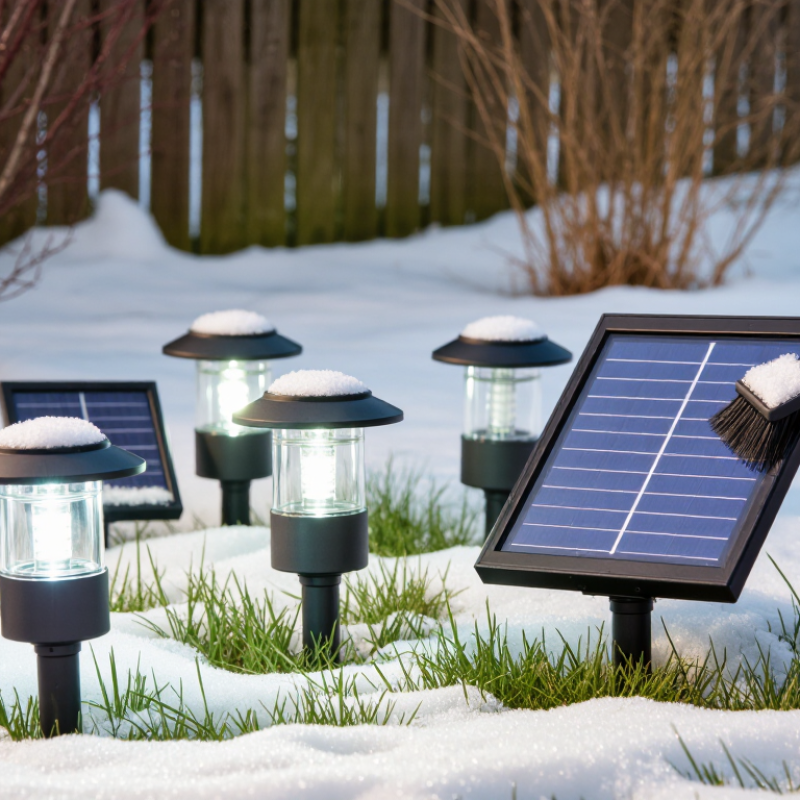
Freezing weather usually harms the battery, not the solar panel. NREL’s PVWatts documentation assigns crystalline-silicon modules a temperature coefficient near -0.35% per °C. Colder cells can produce slightly more electricity. Frost, snow, and short winter days still reduce charging. A thin ice film can block the panel completely. Wipe it gently with a soft cloth, not hot water.
The battery needs greater protection. Cold slows chemical reactions and reduces usable capacity, especially in rechargeable nickel-metal hydride and lithium-based cells. Argonne National Laboratory research warns that charging lithium batteries below 0°C can encourage metallic lithium plating. That damage may become permanent.
Remove the battery pack before a deep freeze if the housing allows it. Store it dry, partly charged, and above freezing. Never charge a visibly frozen battery.
Small control boards and seals also deserve attention. IEA PVPS Task 13 guidance identifies moisture, condensation, and thermal cycling as important causes of outdoor electronics failure. A light may survive −20°C but fail after repeated freezing and thawing. Check cracked lenses, loose gaskets, cloudy panels, and water inside the compartment. IP ratings help, but they are not magic. I have seen “weatherproof” housings collect droplets after one warm afternoon. Manufacturer instructions should override general advice, because battery chemistry and enclosure design vary.
