When selecting outdoor LED lights, understanding the relevant IP (Ingress Protection) ratings is crucial. According to lighting expert Sarah Johnson, "Choosing the right IP rating is essential for durability and safety." Her words reflect the importance of this decision in various environmental conditions.
Many factors contribute to the choice of an appropriate IP rating. One must consider exposure to moisture, dust, and extreme weather. For example, an IP65 rating ensures protection against water jets and dust ingress. However, not all areas require such stringent ratings. Some may find themselves overprotecting their lights, which can lead to unnecessary costs.
Additionally, reflecting on your local climate is essential. Different regions may present unique challenges. Relying solely on common recommendations may not address specific needs. So, the question arises: what IP rating is needed for outdoor LED lights? The answer varies by application. It demands careful thought and a deep understanding of your environment.
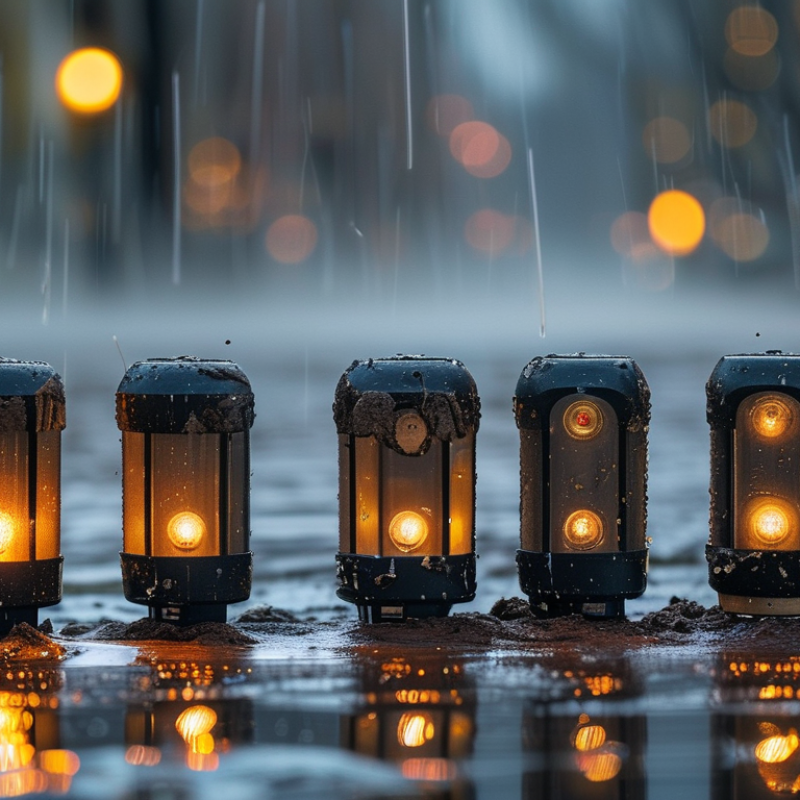
Understanding IP ratings is crucial when selecting outdoor LED lights. IP stands for Ingress Protection. It indicates how well a light can resist elements like dust and water. This rating is composed of two numbers. The first digit ranges from 0 to 6, showing dust protection, while the second ranges from 0 to 9, showing water resistance. Higher numbers mean better protection. A light with an IP65 rating is dust-tight and can withstand water jets.
When choosing LED lights for outdoor use, consider your environment. Is the area frequently exposed to rain or dust? An IP67 rating might be necessary in wet climates. However, a rating of IP44 may suffice in sheltered areas. It's a common mistake to assume all outdoor lights are equally safe. Reflecting on your specific needs can lead to better choices. Knowing IP ratings enhances safety and longevity. Without this knowledge, you risk damage and increased maintenance costs.
When selecting outdoor LED lights, environmental factors play a crucial role. Locations exposed to harsh weather conditions demand careful consideration. Rain, snow, and intense sunlight affect performance and durability. Choosing the right IP rating helps ensure the lights withstand these elements. The IP rating indicates the light's resistance to dust and water. An IP65 rating, for instance, signifies protection against water jets and dust ingress.
Temperature fluctuation is another factor. LED lights can falter in extreme temperatures. In freezing conditions, lights may struggle to operate efficiently. Conversely, high heat can damage components. Understanding the climate of the installation area is essential for informed decisions.
Moreover, installation height impacts accessibility and maintenance. Higher installations might require fixtures with more robust designs. Reflecting on these aspects can lead to better choices. Ultimately, it's not just about brightness. Ensuring outdoor LED lights function effectively in varying environments leads to long-lasting satisfaction. Assessing these aspects may take time, but it pays off in the long run.
| IP Rating | Dust Protection | Water Protection | Typical Applications | Recommended Environments |
|---|---|---|---|---|
| IP65 | Complete dust ingress protection | Water projected by a nozzle against enclosure | Outdoor signage, garden lighting | Light rain, dusty environments |
| IP66 | Complete dust ingress protection | Powerful water jets | Industrial outdoor applications, coastal areas | Harsh weather conditions, high humidity |
| IP67 | Complete dust ingress protection | Temporary immersion in water | Submerged lighting, outdoor fountains | Wet environments, heavy rain |
| IP68 | Complete dust ingress protection | Continuous immersion in water | Underwater lighting, swimming pools | Submerged, extreme outdoor conditions |
When selecting outdoor LED lights, understanding the importance of IP ratings is crucial. The Ingress Protection (IP) rating indicates how well a fixture can withstand dust and moisture. For locations with heavy rainfall or snow, a higher rating is essential. An IP65 rating is often recommended for areas exposed to harsh weather. This ensures that the lights remain functional despite rain or splashes.
Consider the specific conditions in your location. Coastal areas may require higher protection due to salt and humidity. In contrast, drier regions might allow for lower ratings. Take note of your lighting installation site. Installations near water features might need even more robust fixtures. Reflect on these aspects to make informed decisions.
It's also important to recognize that no fixture can guarantee total protection. Even highly rated lights may face issues over time. Regular maintenance is key. Inspect seals periodically. Consider replacing fixtures that show signs of wear or damage. By staying proactive, you can ensure longevity and optimal performance in all weather conditions.
When selecting outdoor LED lights, the IP rating plays a crucial role in ensuring durability. An IP rating consists of two digits, indicating dust and water resistance. For example, an IP65 rating signifies complete protection against dust and low-pressure water jets. According to a study by the Lighting Research Center, outdoor lights with a minimum IP65 rating can significantly reduce the risk of failure in harsh weather conditions.
Understanding the impact of IP ratings on performance is essential. Higher-rated LED lights tend to have a longer lifespan, as they can withstand intense outdoor environments without moisture damage. A report from the International Association of Lighting Designers highlights that improperly rated fixtures can lead to a 30% increase in maintenance costs due to frequent replacements. Additionally, some manufacturers note that even slight deficiencies in IP ratings can compromise safety and light quality.
Choosing the right IP rating is not just about numbers; it's about context. Specific climates may demand higher ratings. For instance, coastal areas require more durable solutions to tackle salty air and humidity. Ignoring these factors may lead to failures that not only disrupt lighting but also incur unexpected expenditure. Thus, careful evaluation of the appropriate IP rating is vital for ensuring long-term performance and cost-effectiveness.
When choosing outdoor LED lights, understanding IP ratings is crucial. The Ingress Protection (IP) code indicates how well a light can resist elements. An IP65 rating, for instance, means the light is dust-tight and protected against water jets. This rating is appropriate for environments where exposure to rain and dust is common.
For more extreme conditions, an IP67 rating is better suited. It offers complete protection against dust and can withstand immersion in water. This is ideal for outdoor landscapes prone to flooding. On the other hand, IP54 ratings provide limited dust protection and shield against splashes. Such lights work well in sheltered outdoor areas, but they may not withstand heavy rain.
It’s essential to evaluate installation locations before deciding. Some lights might look appealing but fall short in terms of practicality. Choosing the right rating prevents future issues and maintenance costs. Reflect on actual environmental conditions when selecting lights. Use reliable sources or consult with professionals for better guidance. This approach will enhance both safety and durability in outdoor lighting.
: IP stands for Ingress Protection, indicating dust and water resistance.
An IP rating has two digits. The first indicates dust resistance, and the second indicates water resistance.
An IP65 rating means the light is dust-tight and can resist low-pressure water jets.
Higher IP ratings ensure better durability and reduce the risk of failure in harsh weather conditions.
Choosing an unsuitable IP rating can lead to increased maintenance costs and frequent replacements.
No, it's a common mistake to assume all outdoor lights are equally safe. Ratings vary significantly.
Specific climates, like wet or coastal areas, may require higher ratings for optimal performance.
Yes, deficiencies in IP ratings can compromise both safety and light quality over time.
Improperly rated lights can lead to a 30% increase in maintenance costs due to frequent failures.
Choosing the right IP rating for outdoor LED lights is essential to ensure durability and optimal performance. Understanding IP ratings and their significance helps in identifying the environmental factors that impact light selection, such as moisture, dust, and temperature changes. When considering what IP rating is needed for outdoor LED lights, it is crucial to assess the specific location and weather conditions, as certain ratings offer varying levels of protection against the elements.
Evaluating different IP ratings reveals their durability and functional performance in outdoor settings. Typically, higher IP ratings indicate greater resistance to water and dust, making them ideal for harsher environments. By comparing these ratings and their typical applications, one can make an informed decision, ensuring the selected outdoor LED lights meet both aesthetic and practical needs while withstanding outdoor challenges.

Habel Lighting