Solar street lights have become a popular choice for urban and rural lighting solutions. One of the most common questions asked by project managers and city planners is, "how long do solar street lights last?" According to the Solar Energy Industries Association, the lifespan of solar street lights typically ranges from 5 to 15 years. However, various factors influence this duration, including solar panel quality and battery type.
Recent industry reports highlight that high-quality solar panels can last up to 25 years, while lithium batteries offer a significantly longer lifespan compared to traditional lead-acid options. This variability prompts a deeper look at specific product features. For instance, some manufacturers provide warranties covering 10 years, showcasing their confidence in product durability. Yet, issues can arise when weather conditions are harsh or installation is subpar, leading to performance declines.
Furthermore, maintenance practices play a crucial role in extending the life of solar street lights. Regular cleaning and timely battery replacements can enhance their functionality. Despite these insights, there remains a gap in understanding the full potential of these systems in unique environments. This calls for ongoing assessment about longevity after installation, emphasizing the need for informed decisions in project planning.
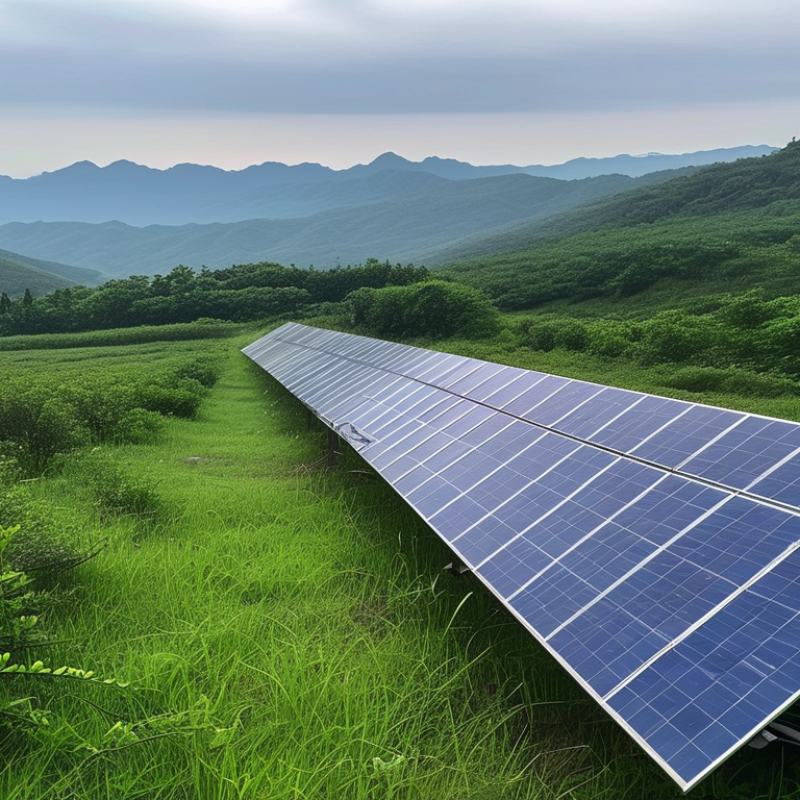
When considering the lifespan of solar street lights, several factors come into play. The quality of materials is crucial. High-quality solar panels and batteries enhance durability. Harsh environmental conditions can lead to faster degradation.
Another significant factor is installation. Proper installation ensures that solar street lights function effectively and last longer. Poorly installed lights may face mechanical issues or reduced efficiency. Regular maintenance also impacts lifespan. Inspecting and cleaning components can prevent failures.
Tips: Choose solar lights designed for local weather. This will enhance their ability to withstand rain, snow, or extreme heat. Monitor battery health regularly to ensure optimal performance. Lastly, consider using protective housings to shield lights from physical damage. Addressing these elements can help maximize the life of solar street lights, making them a sustainable option for your project.
When considering solar street lights for your project, it's important to know the average lifespan of different models. Solar street lights typically last between 5 to 15 years. These variations depend on the quality of materials and technology used. Higher-end models may offer better durability and longer life.
LED lights used in solar street lamps generally last over 25,000 hours. This translates to several years of consistent illumination. Battery life also plays a crucial role. Lithium batteries commonly last 5 to 7 years, while lead-acid batteries may need replacement after 3 to 5 years. Frequent battery changes can lead to added maintenance costs.
Tips: Regularly check connections and clean solar panels. This ensures optimal performance and extends the lifespan of your lights. Consider seasonal weather impacts on performance and battery life. Avoid placing lights in shaded areas. Constant exposure to sunlight improves efficiency and longevity. Making informed choices can significantly affect the success of your lighting project.
| Model | Average Lifespan (Years) | Battery Type | Light Output (Lumens) | Features |
|---|---|---|---|---|
| Model A | 5-7 | Lithium-ion | 1200 | Motion Sensor, Remote Control |
| Model B | 7-9 | Lead Acid | 1000 | Timing Function, Waterproof |
| Model C | 8-10 | Lithium Iron Phosphate | 1500 | Smart Control, Easy Installation |
| Model D | 6-8 | Lithium Polymer | 1100 | Dusk to Dawn, High Efficiency |
| Model E | 9-12 | NCM | 1600 | Remote Monitoring, Solar Scheduling |
Proper maintenance can significantly extend the longevity of solar street lights.
Regularly cleaning solar panels
is crucial. Dust and debris can reduce efficiency, limiting power generation. This simple task can enhance performance.
Many overlook this step, resulting in unnecessary replacements.
Battery care is another essential aspect. Monitoring the health of the batteries ensures they function optimally.
Over time, batteries may lose capacity. Checking connections and replacing worn-out batteries can prevent failures.
Some users neglect early signs of wear, leading to system malfunctions.
Routine inspections for damage are vital as well. Look for cracked panels or loose wiring.
Addressing these issues promptly is important. Ignoring small problems can lead to costly repairs later.
An effective maintenance schedule helps in identifying potential hazards early.
It promotes a longer lifespan, ultimately enhancing your project’s success.
When considering solar street lights, environmental conditions play a significant role in their durability. Factors like temperature, humidity, and exposure to harsh weather can impact the lifespan. Areas with extreme temperatures may see reduced efficiency. Excessive heat can degrade battery life, while freezing conditions can affect functionality.
Corrosion is another concern, especially in coastal areas. Salt air damages various components. It's crucial to select lights with high-quality materials to combat this issue. Consider using corrosion-resistant fixtures for enhanced durability. Exposure to heavy rain and wind can also lead to structural failure if the lights aren't designed to withstand these conditions.
**Tips:**
Choose fixtures rated for specific environmental conditions. Assess your project's locale carefully. Regular maintenance checks help identify potential issues early. Keep in mind that the positioning of solar panels also matters. Ensure they are not shaded by trees or buildings to maximize sun exposure.
Plan for battery replacements every few years, especially in regions with fluctuating weather. Tailor your choices based on past performance in similar environments. Being mindful of these factors can lead to a more reliable and lasting lighting solution.
This chart represents the average lifespan of solar street lights under various environmental conditions. Factors such as sunlight, wind, rain, snow, humidity, high temperatures, and low temperatures significantly impact their durability.
When comparing solar street lights and traditional street lights, several factors come into play. Solar street lights harness renewable energy, reducing dependence on the grid. Traditional street lights rely on electricity, which can be costly over time. While solar options have higher upfront costs, they offer long-term savings through lower energy bills.
Yet, solar street lights do have limitations. They may require more maintenance, and their performance can be affected by weather conditions. Traditional lights, while consistent, can become dull over time and need frequent bulb replacements. It’s important to evaluate the specific needs of your project.
**Tips:** Always consider local regulations that may favor solar installation. Think about the location to maximize solar exposure. Regular checks can enhance the longevity of both light types.
: The quality of solar panels and batteries is crucial for durability.
Proper installation ensures effective function and longevity, while poor installation can cause issues.
Regular inspections and cleaning can prevent failures and extend the lifespan of solar street lights.
Solar panels should be cleaned regularly to prevent dust and debris from reducing efficiency.
Regular monitoring of battery connections and capacity is essential to ensure optimal performance.
Look for cracked panels and loose wiring to avoid costly repairs and ensure longevity.
Yes, protective housings can shield lights from physical damage and harsh environmental conditions.
Choosing solar lights designed for local weather enhances their ability to withstand challenging conditions.
Neglecting the early signs of wear can lead to system malfunctions and increased costs.
Yes, ignoring small issues can lead to costly repairs, impacting the overall project success.
Solar street lights are increasingly popular due to their sustainability and energy efficiency, but a common concern for many projects is "how long do solar street lights last?" The lifespan of these lights can vary based on several factors, including the quality of components, installation practices, and environmental conditions. Generally, solar street lights can last anywhere from 5 to 15 years, with specific models offering different lifespans.
To ensure longevity, proper maintenance practices, such as regular cleaning and battery inspections, are essential. Additionally, environmental factors like extreme weather or pollution levels can impact their durability. When comparing solar street lights to traditional street lights, the latter often have a longer lifespan but with higher energy costs, which can influence project decisions based on budget and sustainability goals. Overall, the longevity of solar street lights can be optimized with attentive care and suitable environmental considerations.

Habel Lighting