When it comes to outdoor lighting, solar flood lights are a popular choice. However, they can sometimes be dimmer than expected. According to Emily Hart, a solar energy expert, "Proper maintenance is key to maximizing the brightness of solar flood lights." Understanding how to fix a dim solar flood light is essential for maintaining visibility and security in outdoor spaces.
One of the common issues leading to reduced brightness is dirt accumulation on the solar panel. This can inhibit sunlight absorption, affecting performance. Regular cleaning of the panel can significantly enhance the light’s efficiency. Additionally, paying attention to battery health is crucial; a failing battery may not hold a charge, resulting in insufficient light output.
Moreover, it’s worth noting that not all solar flood lights are created equal. Some models may have inherent design flaws. Identifying these issues can guide you towards better solutions. Reflecting on the specific needs of your outdoor area may highlight the need for an upgrade or a different lighting solution. This proactive approach can save time and enhance illumination, ensuring you always have a well-lit space.
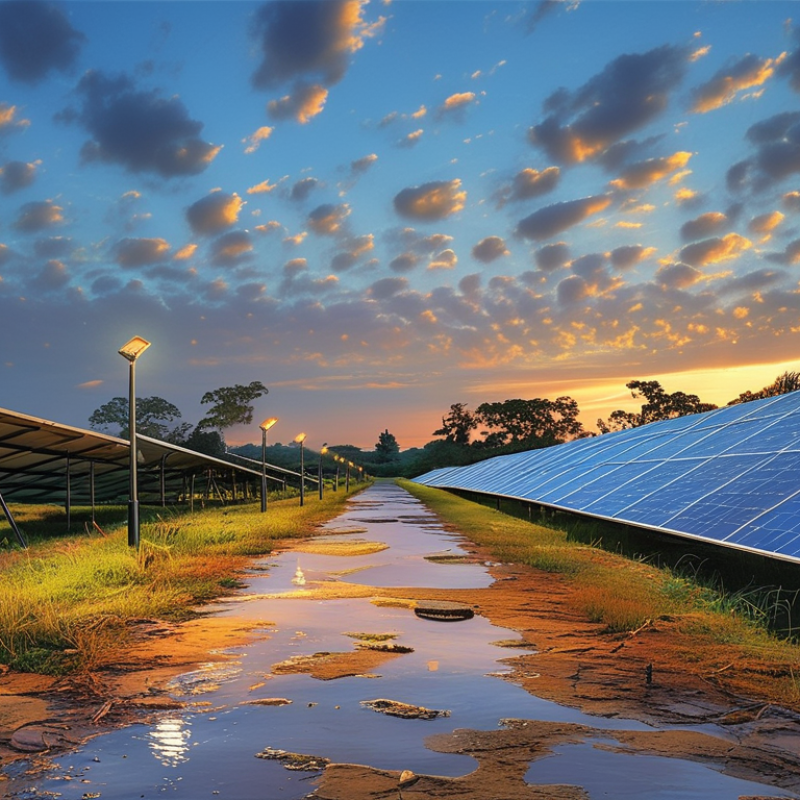
Dim solar flood lights can be frustrating. Understanding the causes is essential for effective solutions. One common issue is insufficient sunlight exposure. Trees or buildings may block sunlight during the day. Consider repositioning your lights for better access to sunlight.
Another reason could be aging batteries. Solar batteries degrade over time. If your light has been in use for several years, the battery may require replacement. Regularly check the battery health to maintain optimal performance.
Sometimes, dirt accumulation on the solar panel can reduce efficiency. Cleaning the panel once a month can improve light output. Use a soft cloth to remove dust or debris. Pay attention to any unusual flickering as this might indicate further issues. Always ensure connections are secure and corrosion-free.
When assessing battery condition, check for signs of corrosion. Look for leaks or bulges. These problems often indicate that the battery needs replacing. A properly functioning battery is crucial for consistent performance. A weak battery can lead to dimming lights, even if the solar panel is working well.
Next, evaluate solar panel performance. Clean the panels to remove dirt and debris. If they are cloudy or blocked, they won't absorb enough sunlight. Test the panel with a multimeter to check for proper voltage output. If readings are low, the panel might be damaged. Sometimes, even minor cracks can significantly impact performance.
Regular maintenance can prolong the life of your solar flood lights. Yet, people often overlook simple checks. Remember to periodically assess both the battery and solar panel. This will ensure optimal lighting to illuminate your outdoor spaces effectively. Consider creating a maintenance schedule to prompt frequent evaluations.
Cleaning solar panels is crucial for maintaining optimal output in solar flood lights. Dust, dirt, and debris can accumulate on the surface, blocking sunlight. Research indicates that clean panels can produce up to 25% more energy. Regular maintenance is key to ensuring consistent light performance.
To keep your solar panels efficient, wash them with a solution of mild soap and water. Use a soft brush or sponge to gently scrub the surface. Avoid harsh chemicals, as they can damage the panels. A once-a-month cleaning schedule is often adequate, but panels in dusty areas may require more frequent attention.
When inspecting solar panels, look for any signs of wear. Cracks, discoloration, or accumulation of leaves can hinder performance. Keeping vegetation trimmed around the panels ensures unobstructed sunlight. Regular monitoring helps identify issues before they become more serious. Remember, neglecting maintenance can lead to decreased efficiency over time.
Replacing faulty components in solar flood lights is a practical approach to enhance their performance. A common issue arises with the LED chips. Research indicates that nearly 30% of solar lights experience dimming due to inefficient LED technology. Upgrading to high-efficiency LEDs can improve brightness significantly. This change not only enhances visibility but can save energy, extending battery life.
Another frequently replaced component is the battery. Many solar flood lights use rechargeable batteries that degrade over time. Studies show that the average lifespan of these batteries is about 2-3 years. Evaluating the battery's capacity can indicate whether it needs replacing. Switching to lithium-ion batteries offers a longer lifespan, roughly 5-7 years, which reduces maintenance requirements.
Additionally, the solar panel can also be a source of diminished light output. Dust, dirt, and debris accumulate, blocking sunlight. Cleaning the panels regularly ensures optimal light absorption. Industry data suggests that maintaining clean solar panels can increase efficiency by up to 20%. Regular assessments of these components will lead to more reliable and brighter solar flood lights, reflecting the importance of thorough maintenance.
| Component | Common Issues | Replacement Options | Estimated Cost | DIY Difficulty Level |
|---|---|---|---|---|
| Solar Panel | Cracked or damaged surface | Replace with a similar wattage solar panel | $20 - $50 | Medium |
| LED Bulbs | Flickering or dim lighting | Replace with new LED bulbs | $10 - $30 | Easy |
| Battery | Short lifespan or corrosion | Replace with a compatible rechargeable battery | $10 - $25 | Easy |
| Controller Circuit | Inconsistent charging or faulty switch | Replace with a new controller circuit board | $15 - $40 | Hard |
Upgrading to higher quality solar flood lights can significantly enhance their performance. Many standard models struggle with longevity and brightness. A study from the Solar Energy Industries Association shows that lower-quality solar lights can lose up to 30% of their efficiency within just one year. Higher-grade options use advanced LED technology. This can result in clearer illumination and longer operational hours.
Consider different aspects when upgrading. Light output is crucial. Quality solar flood lights can emit over 1200 lumens compared to just 300 lumens in cheaper models. This increase means brighter and more reliable security illumination. Additionally, durable materials can withstand harsh weather conditions. Many high-quality models boast weatherproof designs, ensuring they remain functional throughout the year.
However, with improved performance comes a greater initial investment. Cheaper models might seem appealing at first but often lead to more frequent replacements. Reflecting on long-term cost-effectiveness is essential. Investing in higher quality ensures sustainable performance. This could lead to improved safety and enhanced outdoor aesthetics. Not every model will suit everyone, but making informed choices is vital.
: Cleaning solar panels is essential to maintain their energy output. Dust and dirt can block sunlight, reducing efficiency.
It's generally recommended to clean them once a month. However, dusty areas may require more frequent cleaning.
A mixture of mild soap and water works best. Use a soft brush or sponge to clean the surface gently.
Look for signs like dim lighting or unusual performance. Inspect LED chips and batteries for issues regularly.
Most rechargeable solar batteries last around 2-3 years. Upgrading to lithium-ion can extend this to 5-7 years.
Upgraded models provide better brightness and longevity. Higher efficiency means improved performance and energy savings over time.
Cheaper models can lose efficiency quickly. Studies show they may drop around 30% in performance within one year.
Vegetation can obstruct sunlight. Keeping plants trimmed around panels ensures they receive maximum light.
Consider light output, quality of materials, and durability. Higher lumens and weatherproof designs are essential for reliability.
Yes, while the initial cost is higher, they often save money in the long run through reduced replacements and better performance.
If you are wondering how to fix a dim solar flood light, it is essential to start by identifying the potential causes of reduced brightness. Common issues include battery deterioration, poor solar panel performance, and dirt accumulation on the panels. Assessing the battery condition and ensuring that the solar panel is functioning effectively are critical first steps in troubleshooting the problem.
Regular cleaning and maintenance of the solar panels can significantly boost their efficiency, allowing them to absorb maximum sunlight. If these basic strategies do not resolve the issue, consider replacing any faulty components within the system. For those seeking enhanced performance, upgrading to higher quality solar flood lights may be the best long-term solution. Overall, addressing these factors can help restore brightness and functionality to your solar flood lights.

Habel Lighting