When exploring the question of "why are industrial LED lights so expensive," we must consider several key factors. Industrial LED lights are distinct from regular LED products due to their advanced technology and durability. According to a report by the Department of Energy, commercial LEDs can be up to 80% more efficient than traditional lighting. This efficiency directly impacts long-term cost savings, yet the initial investment remains high.
The materials and engineering involved in crafting these lights contribute significantly to their price. High-quality components can endure harsher environments, which is essential for industrial settings. Research shows that, while standard LEDs may last around 25,000 hours, industrial-grade options often exceed this by up to 50%. This durability justifies the higher upfront costs, reflecting their value over time.
Furthermore, many industrial lights undergo rigorous testing and certification processes, which increases production costs. These lights comply with strict safety and performance standards. As manufacturing practices evolve, we see changes in pricing structures. While high costs might discourage some buyers, they invite a critical reflection on the trade-off between initial investments and long-term benefits in industrial applications.
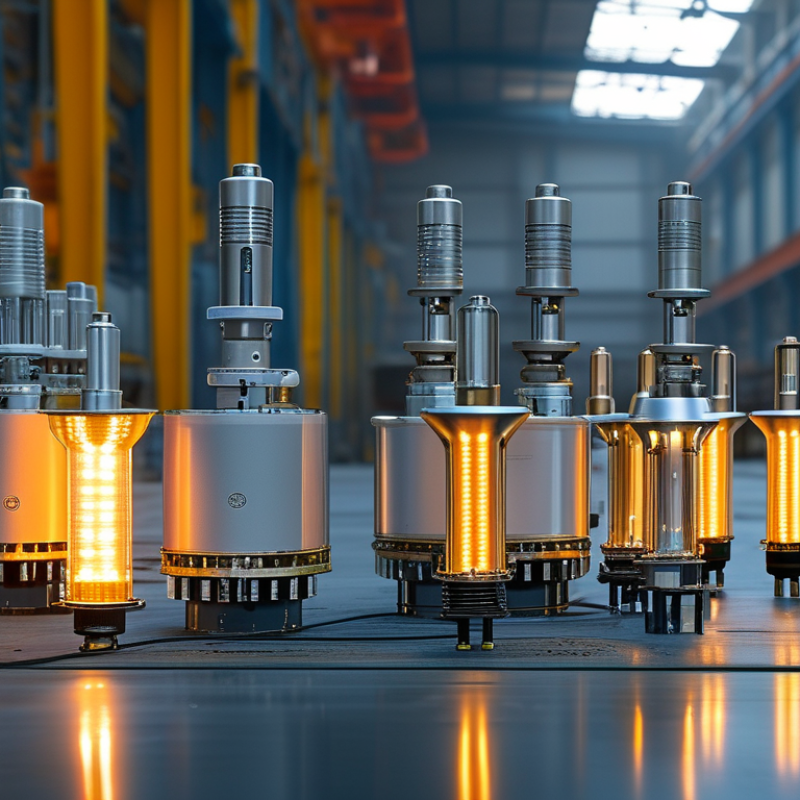
Understanding the Cost Structure of Industrial LED Lights
Industrial LED lights come with a higher price tag due to several key factors. The materials used in these lights are often superior. High-quality semiconductors provide better performance and longer life. This unique technology ensures that industrial LED lights can withstand harsh environments. They are designed to operate efficiently in extreme temperatures and wet conditions.
The manufacturing process is also a significant contributor to the cost. Industrial-grade lights often undergo stricter testing and quality control. These processes guarantee reliability and safety in demanding workplace settings. Expect to pay more for the assurance that these lights will perform consistently over time.
That said, the initial expense can be daunting for some businesses. However, this investment often pays off through energy savings and lower maintenance costs. The longevity of industrial LED lights can lead to reduced replacement frequency. While the upfront cost is high, the long-term benefits can make them worthwhile. Understanding the cost structure reveals that quality often comes at a price, but it is one that can lead to substantial savings in the long run.
Key Factors Influencing the Price of Industrial LED Technology
The price of industrial LED lights can be higher due to several key factors. Design and technology are central to these costs. Advanced thermal management systems, for instance, enhance the lifespan of LEDs, which can last over 50,000 hours. Such systems often require complex engineering and quality materials. A report from the Department of Energy states that high-quality components improve both efficiency and performance, thus justifying a higher initial price.
Another factor is the manufacturing process. Industrial LEDs typically undergo rigorous testing and quality control. This ensures reliability in challenging environments. According to industry surveys, around 23% more resources are allocated for quality assurance in industrial lighting. This adds comprehensive checks to every fixture produced but ultimately increases the durability.
Beyond materials and manufacturing, energy efficiency claims improve long-term savings. According to the Energy Star program, industrial LEDs reduce energy consumption by nearly 75%. This can lead to significant cost savings over time, making the upfront investment more appealing. However, many businesses hesitate due to the initial cost barrier. This ongoing dilemma raises questions about balancing immediate expenses with future benefits.
Comparative Analysis: Industrial LED Lights vs. Traditional Lighting Solutions
Industrial LED lights represent a significant investment compared to traditional lighting solutions. Their higher cost stems from advanced technology, offering better energy efficiency and longer lifespan. In industrial settings, where lighting needs are constant and often intense, this efficiency translates into substantial savings over time. The upfront price may deter some, but the long-term benefits justify the expenditure.
When comparing industrial LED lights to older fluorescent or incandescent options, the differences are striking. Traditional lights often require frequent replacements and consume more power. Their short lifespan can result in higher maintenance costs. In contrast, LED lights can last up to 25,000 hours or more. However, they might not be suitable for every setting. Some users report issues with brightness control and color temperature. These factors must be considered in the decision-making process.
Choosing the right lighting solution requires careful thought. The benefits of industrial LED lights are clear, but their drawbacks must also be weighed. Future technology could offer even better options. Recognizing both sides will lead to more informed choices about lighting in industrial environments.
Cost Comparison of Industrial LED Lights vs. Traditional Lighting Solutions
This bar chart compares the average cost per unit of Industrial LED Lights with traditional lighting solutions like Fluorescent, Incandescent, and Halogen lights. As seen in the chart, Industrial LED Lights are significantly more expensive, but they offer longer lifespan and energy efficiency benefits.
The Lifespan and Efficiency of Industrial LED Lights and Their Economic Impact
Industrial LED lights offer exceptional longevity and efficiency, making them a superior choice in various environments. These lights often last up to 50,000 hours, compared to traditional bulbs that average around 1,000 to 2,000 hours. This long lifespan means fewer replacements, which significantly reduces maintenance costs over time.
The energy efficiency of industrial LED lights is another compelling factor. Studies reveal that LEDs use about 75% less energy than incandescent lights. This drastic reduction leads to lower electricity bills for businesses. According to the Department of Energy, switching to LED lighting can save a company up to $1,500 annually on energy costs for every 100 fixtures.
Consider the environmental impact, too. LEDs produce less heat, reducing the need for cooling systems in industrial settings. This efficiency translates into lower operational costs. However, it’s worth reflecting on the initial investment. While upfront costs can be higher, the long-term savings often outweigh these expenses.
Tips: When choosing industrial LED lighting, evaluate your organization's specific needs. Calculate potential energy savings and maintenance costs. Consider the impact on productivity due to improved lighting quality. It may not be as straightforward as it seems, but the benefits often reveal themselves over time.
Market Trends and Future Projections for Industrial LED Lighting Costs
The industrial LED lighting market is evolving rapidly. Many expect prices to decrease as technology advances. However, this has not yet fully materialized. Current cost factors are complex and multifaceted. High-quality materials and advanced designs contribute significantly to pricing. Many manufacturers emphasize durability and energy efficiency, which can drive initial costs upward.
Future projections indicate a mixed landscape. Demand for energy-efficient solutions is growing. Businesses seek long-term savings rather than short-term spending. It is essential to consider the overall lifecycle cost. While the upfront investment can be high, lower energy bills and reduced maintenance costs can offer considerable savings over time.
Moreover, the market faces challenges. Competition may push some prices down, but quality control remains vital. Low-cost options might compromise longevity. Customers need to weigh initial expenses against performance over time. Understanding these dynamics is crucial for making informed decisions in the industrial LED lighting marketplace.
Why Are Industrial LED Lights More Expensive Than Others? - Market Trends and Future Projections for Industrial LED Lighting Costs
| Category |
Average Cost ($/Unit) |
Lifespan (Hours) |
Energy Efficiency (lm/W) |
Market Share (%) |
| Industrial LED Lights |
150 |
50,000 |
130 |
40 |
| Standard LED Lights |
80 |
25,000 |
100 |
30 |
| Incandescent Lights |
15 |
1,000 |
15 |
20 |
| Fluorescent Lights |
30 |
7,000 |
60 |
10 |
Conclusion
Industrial LED lights are often seen as more expensive than traditional lighting options, leading to the question, "why are industrial LED lights so expensive?" Understanding the cost structure reveals that several key factors contribute to their higher price. These include the advanced technology used in production, higher quality materials, and the robust design required for industrial settings, which enhances durability and reduces failures.
Furthermore, while the initial investment may be higher, the economic impact of industrial LED lights is significant. They offer a longer lifespan and greater energy efficiency, resulting in lower operational costs over time. A comparative analysis shows that these advantages, combined with market trends indicating continued growth in the LED sector, suggest that the long-term savings and benefits of industrial LED lighting justify their initial expense.

 Habel Lighting