Programming a solar lighting controller is a crucial skill for anyone looking to harness renewable energy effectively. According to Dr. Emily Johnson, a leading expert in solar technology, "Understanding how to program a solar lighting controller can significantly enhance energy efficiency." This process involves various steps that can seem daunting at first but can be mastered with patience and practice.
When you dive into how to program a solar lighting controller, keeping your tools and resources organized is essential. Many users overlook the importance of a detailed manual, which can be a lifesaver. Each step often requires careful consideration of specifications and settings, leading some to feel overwhelmed. Learning from mistakes is part of the journey.
As you embark on this programming adventure, you may encounter frustrations. For instance, adjusting settings to optimize performance can be challenging. However, refining your approach and seeking guidance can lead to satisfying outcomes. Embracing this journey, with all its ups and downs, is essential for mastering solar technology.
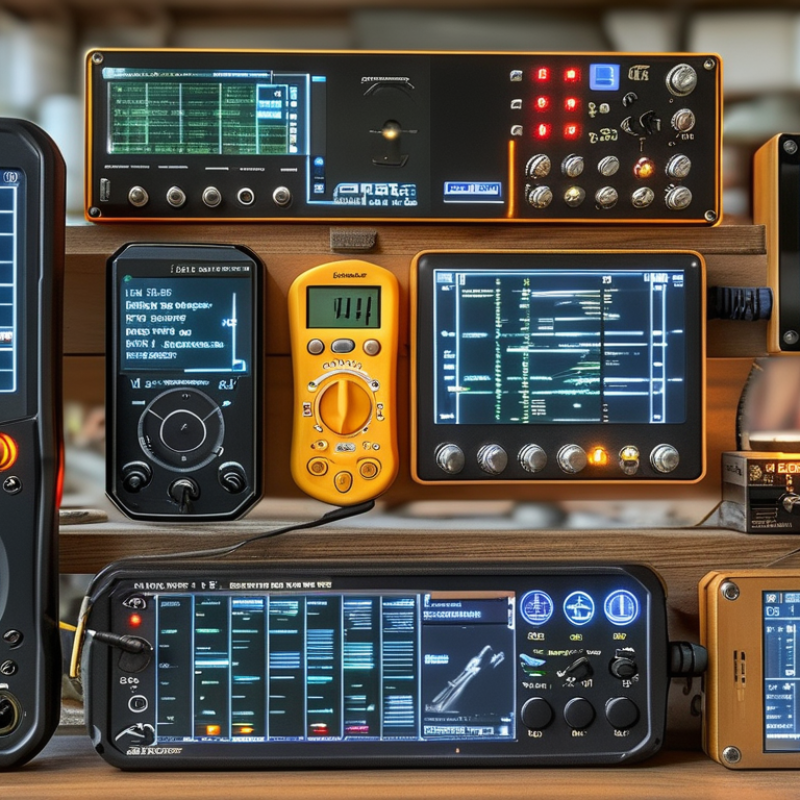
Solar lighting controllers play a crucial role in the efficient management of solar-powered lighting systems. These controllers regulate the energy generated by solar panels, ensuring optimal battery charging and preventing over-discharge. They come with various functions, such as dusk-to-dawn operation and adjustable timer settings. Understanding these fundamentals is the first step in programming a reliable lighting control system.
It's essential to select the right solar lighting controller. Research the controller's specifications to match your system's requirements. Take careful note of voltage ratings and capacity. Many users overlook these critical details, leading to system inefficiencies. Regularly monitor the system's performance after installation to ensure everything functions as intended.
When programming the controller, don't rush through the settings. A common mistake is to assume the default settings are ideal. Take time to adjust settings based on specific environmental conditions, such as local sunlight hours and seasonal changes. This attention to detail can significantly enhance your system’s performance. Remember that even small tweaks can lead to visual improvements in lighting efficiency.
Choosing the right components for your solar lighting system is crucial for efficiency and longevity. Begin with solar panels. Their output is vital; consider choosing panels with at least 15-20% efficiency. Investigate options that suit your location's sunlight availability. According to the Solar Energy Industries Association, optimal panel placement can increase annual energy generation by 20%.
Next, focus on batteries. Lithium-ion batteries are popular for their efficiency and lifespan. They can last over a decade with proper care. However, they may be more expensive upfront. When selecting a battery, consider your daily energy needs and the expected discharge cycles.
Consider using LED fixtures for lighting, as they consume less power and have longer lifespans. A report from the Department of Energy states that LEDs use up to 75% less energy than traditional incandescent bulbs.
Taking time to evaluate your needs is essential. Measure the area you wish to illuminate. This helps determine how many fixtures you'll need. Reflect on the potential challenges, like shading from nearby buildings or trees. Small changes can impact system performance.
A well-planned solar lighting system leads to long-term savings and reliability. Balancing initial costs with efficiency is key. Aim for components that complement each other while meeting your project's goals.
Programming a solar lighting controller requires careful attention to detail. Begin by gathering necessary tools and components, including a solar panel, battery, and the controller. Ensure you have a clear understanding of the controller's specifications. While reading the manual is essential, real-world application often reveals gaps in knowledge. Make notes on areas that seem complicated or unclear.
After you have the setup ready, connect the components step by step. Monitor the connections closely to avoid errors. It's common to overlook minor wiring issues that can lead to performance delays. Testing each component individually adds reliability to your system. If something doesn't work as expected, review your connections again.
Once everything is connected, program the controller according to your preferences. This phase can be tricky, as settings may not always be intuitive. Don't hesitate to experiment with different settings. Learning from mistakes is a crucial part of the process. Document your steps clearly to help refine future adjustments. Your solar lighting controller can be an effective energy solution when programmed thoughtfully.
Optimizing performance in solar lighting controllers requires careful attention to timers and light sensitivity levels. Proper configuration can enhance energy efficiency and extend system lifespan. Studies indicate that optimized settings can improve energy savings by approximately 30%. Monitoring ambient light levels ensures that lights activate and deactivate at appropriate times, preventing unnecessary energy consumption.
Setting the timer is essential. It allows users to control how long lights stay on after sunset. A common recommendation is to program the lights to operate for 5-8 hours, depending on your geographic location and seasonal variations. Light sensitivity levels should also be adjusted based on the environment. For instance, urban areas with artificial light sources may need higher sensitivity settings, while rural areas may require less.
Understanding the specific needs of your installation is crucial. Find the right balance between functionality and energy conservation. This may involve testing different settings over time. Some users may find that their initial light sensitivity settings are either too reactive or not responsive enough to changes in ambient light. Regular adjustments based on feedback can significantly enhance system performance.
Programming a solar lighting controller can be tricky. Many users encounter common issues that disrupt functionality. One frequent problem is improper wiring. Ensure that connections are secure and matched correctly. Poor connections can lead to intermittent power flow.
Another common issue is incorrect programming of the controller's settings. Users often overlook the need to set parameters specific to their geographic location. Make sure to adjust the timer settings based on the season and daylight hours available. This will help optimize energy usage.
Lastly, battery management can cause unexpected problems. Regularly check the condition of the batteries used. If they are aging or poorly maintained, the system may not perform efficiently. Consider re-evaluating battery types and their specifications if issues persist. Keeping meticulous notes on performance changes can aid in troubleshooting.
: Focus on timers and light sensitivity settings. This can enhance energy efficiency significantly.
Set lights to operate for 5-8 hours after sunset, depending on location and season.
Adjusting sensitivity ensures lights activate at the right times, preventing unnecessary energy use.
Regularly test and adjust settings based on ambient light feedback for better performance.
Yes, poor connections can cause intermittent power flow, leading to system issues.
Ensure settings match local daylight hours and seasonal changes to optimize energy use.
Inspect battery condition regularly, as aging batteries can lead to inefficiencies.
Make sure wiring is secure and that you have correctly programmed location-specific settings.
Re-evaluate battery types and specifications, and maintain detailed performance notes for improvements.
Overlooking the need to adjust settings according to seasonal variations can be problematic.
This article provides a comprehensive guide on how to program a solar lighting controller, beginning with an understanding of the basics and functions of solar lighting controllers. It emphasizes the importance of selecting the right components for your solar lighting system to ensure optimal performance.
The step-by-step guide walks readers through the programming process, including crucial aspects like setting timers and adjusting light sensitivity levels to enhance functionality. Additionally, common troubleshooting tips are provided to help users resolve issues that may arise during programming. By following this guide, anyone can effectively learn how to program a solar lighting controller and optimize their solar lighting system for efficient operation.

Habel Lighting