In industrial settings, flickering LED lights pose a significant concern. Experts frequently examine why do LED industrial lights flicker. Dr. Emily Carter, a leading photonics engineer, notes, "Flickering lights reduce productivity and can cause discomfort."
Recent reports indicate that nearly 30% of facilities experience issues with flickering lights. Such disruptions can hamper focus, leading to decreased output. Furthermore, flickering can indicate deeper electrical or fixture problems. Understanding the root causes is essential for maintaining a stable work environment.
Failure to address flickering can result in long-term damage to lighting systems. It's important to gauge the impact on workers’ well-being. As we explore the top reasons for flickering, it’s vital to incorporate expert insights. This raises the question: how can we mitigate these effects?
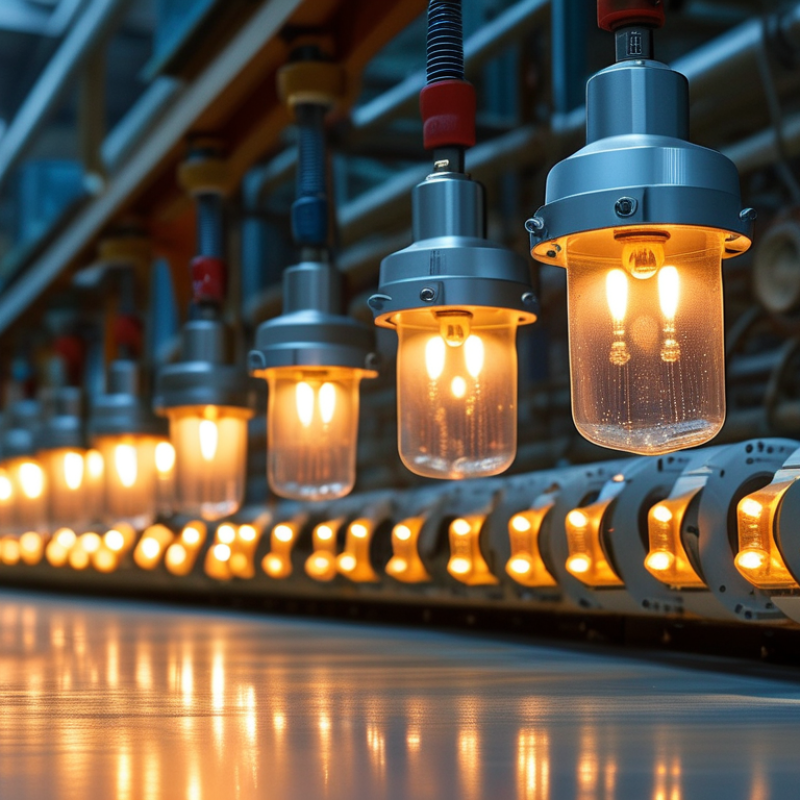
Flickering in LED industrial lights can significantly impact productivity. Common causes often stem from electrical issues. Voltage fluctuations within the supply can cause inconsistent power delivery. A study by the Lighting Research Center showed that even a 10% variation could lead to noticeable flicker.
Another source of flicker is inadequate dimming systems. Many LED lights are incompatible with older dimmer technologies. Such mismatches can lead to flickering, creating an unpleasant working environment. According to a report by the U.S. Department of Energy, improper dimming can amplify the flickering effect in up to 30% of existing installations.
Lastly, frequent on-off cycling of LEDs can create strain. This cycling can shorten the lifespan of the components, leading to performance issues over time. Regular maintenance checks can mitigate flickering, but many facilities overlook this aspect. Ensuring a steady power supply and compatibility with dimmers can greatly reduce these flickering instances. This highlights the need for thorough planning and setup in industrial lighting systems.
| Reason | Description | Solution |
|---|---|---|
| Incompatible Dimmer | LED lamps may not be compatible with existing dimmer switches. | Replace with LED-compatible dimmers. |
| Voltage Fluctuations | Variations in voltage supply can cause flickering. | Install a voltage stabilizer or regulator. |
| Overheating | Excess heat can affect LED circuitry and performance. | Ensure proper ventilation and cooling. |
| Electrical Interference | Nearby electronic devices can cause interference. | Relocate wiring or devices to reduce interference. |
| Poor Quality Drivers | Low-quality LED drivers can lead to instability. | Upgrade to high-quality LED drivers. |
| Loose Connections | Loose wiring or connections can interrupt power. | Check and secure all electrical connections. |
| Flickering from the Grid | Issues in the power grid can lead to flicker. | Contact utility provider for grid issues. |
| Insufficient Power Supply | Insufficient wattage can cause low performance. | Ensure adequate power supply for fixtures. |
| Aging Fixtures | Older LED fixtures may begin to flicker over time. | Consider replacing aging fixtures with new ones. |
| Environmental Factors | Extreme temperatures can affect performance. | Use fixtures rated for extreme conditions. |
: Flickering often stems from electrical issues and inadequate dimming systems, leading to inconsistent power delivery.
Voltage fluctuations can stress LED drivers, causing them to flicker and potentially shortening their lifespan.
Yes, many LED lights do not work well with older dimmers, resulting in flickering and an unpleasant work environment.
Temperature changes, humidity, dust accumulation, and loose electrical connections can all cause flickering.
Regular checks can identify issues early, ensuring a steady power supply and compatibility with dimmers.
Yes, prolonged exposure can cause headaches, decreased focus, and disrupt productivity in industrial settings.
LED industrial lights are increasingly popular for their energy efficiency and longevity, but many users often find themselves asking, "why do LED industrial lights flicker?" Several common causes contribute to this issue. Voltage fluctuations are a major factor, as inconsistent power supply can lead to variations in LED performance. Poor wiring can exacerbate flickering problems, where inadequate connections disrupt the steady flow of electricity to the lights.
Additionally, the use of incompatible dimming switches can also lead to flickering, as not all LED lights are designed to work with every dimmer. Finally, environmental factors such as temperature changes and electromagnetic interference may play a role in the instability of LED illumination. Understanding these causes can help mitigate flickering and improve the performance of LED industrial lighting systems.

 Habel Lighting