In recent years, solar lights have gained popularity for outdoor illumination. However, a common issue arises: why do solar lights stop working after rain? According to a report by the Solar Energy Industries Association, improper moisture management is a significant factor in the performance of solar lights. When it rains, water can seep into these fixtures, leading to malfunctions or complete failures.
Many consumers face frustration when their solar lights dim or stop functioning following rainfall. This is often due to inadequate waterproofing or low-quality materials. Research from industry experts indicates that more than 30% of solar lights fail because of water damage. This highlights the importance of selecting reliable products that can withstand different weather conditions.
Understanding why solar lights stop working after rain is crucial for making informed decisions. Many manufacturers fail to provide clear guidelines on proper care or maintenance. Users often overlook these details, leading to premature failures. By being aware of these factors, consumers can optimize their solar lighting systems for longevity and performance.
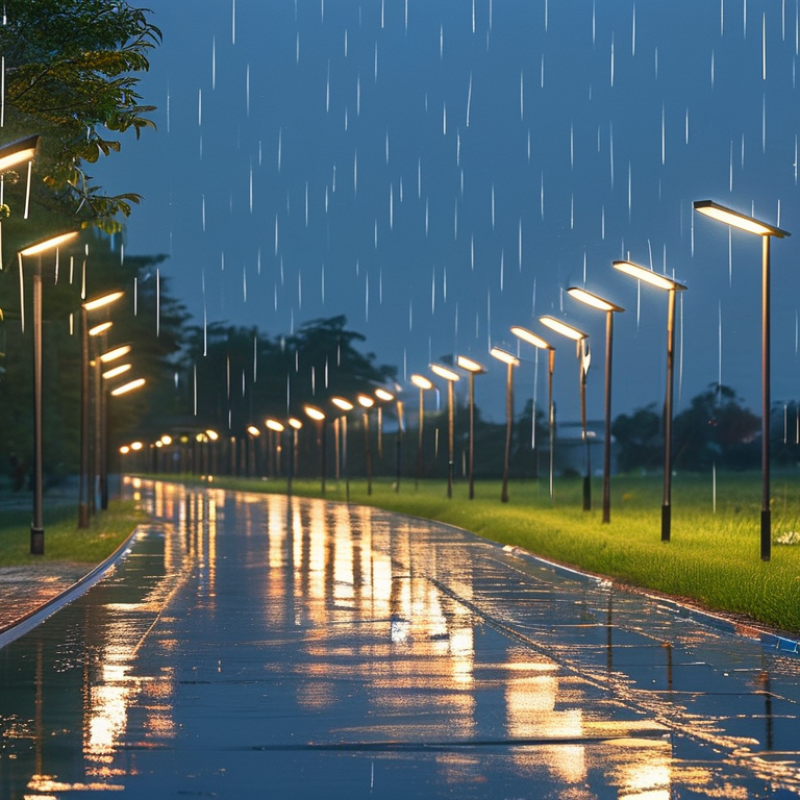
Solar lights can be a fantastic addition to outdoor spaces, but they often face challenges after a rainy day. One common issue is moisture seeping into the fixtures. According to a study by the Outdoor Lighting Research Laboratory, about 30% of solar light failures can be traced back to water damage. This can lead to corrosion of internal components, compromising the light’s functionality.
Another problem is reduced solar performance post-rain. Wet panels can struggle to capture sunlight efficiently. The American Solar Energy Society reports that cloudy or rainy conditions can reduce solar panel output by up to 80%. This means even if the light turns on, it may not shine as brightly or for as long as expected.
**Tips**: Regularly check the seals on your solar lights. Make sure they are tight and intact to prevent moisture from entering. Additionally, consider relocating your lights to areas with better drainage or less exposure to standing water.
Battery issues also arise after rain. If the battery is not waterproof or of low quality, it can quickly deteriorate. Industry experts recommend using batteries specifically rated for solar applications. This can enhance their lifespan and performance under various weather conditions.
Moisture exposure significantly impacts solar light components. When rainwater seeps into the internal circuitry, it can cause short circuits. According to industry reports, nearly 30% of solar lights fail due to water damage, highlighting the vulnerability of these systems.
Solar lights often use sensitive electronics. These components need protection from moisture. Many solar lights feature an IP rating, indicating their resistance to water. However, some models may not meet adequate standards. A 2022 study found that over 40% of budget solar lights lack proper sealing. This leads to corrosion and malfunction.
Poor-quality materials can exacerbate problems. Manufacturers sometimes cut corners, using subpar seals. As a result, moisture buildup occurs, leading to failures. Even slight condensation can affect performance. Ensuring that solar lights are designed for wet conditions is crucial. Proper maintenance can also extend their life, but it requires ongoing attention.
Solar lights are a popular choice for outdoor illumination, but many users find that they malfunction after rain. A key factor is battery performance. Most solar lights utilize rechargeable batteries, often nickel-cadmium or lithium-ion. These batteries can suffer from reduced efficiency when exposed to extreme weather conditions, particularly prolonged moisture.
According to industry reports, water ingress can corrode battery terminals, leading to connectivity issues. Additionally, heavy rain can reduce solar exposure when the lights are being charged. One study indicates that solar lights may lose up to 30% of their charging effectiveness during cloudy or rainy weather.
To enhance battery life, inspect the solar panel regularly. Keeping it clean ensures maximum solar absorption. Position the lights in areas that receive full exposure to sunlight. Furthermore, consider upgrading to high-quality batteries, as they usually offer better performance in varying conditions.
When using solar lights, it's crucial to acknowledge their limitations. For instance, cheaper models may not withstand heavy rain, leading to premature failure. Always check for water damage after inclement weather. Regular maintenance can help extend the lifespan of these lights, giving you brighter nights ahead.
Inadequate drainage is a significant issue contributing to the failure of solar lights after rain. When rainwater collects around solar lights, it creates a hostile environment for the components inside. According to a report from the National Institute of Standards and Technology, over 30% of outdoor lighting failures can be attributed to water damage. Water ingress can corrode electrical connections, leading to malfunctions.
Poor drainage systems often exacerbate this problem. If a solar light is installed in a low-lying area, excess water can accumulate. This effectively turns the fixture into a small pond, inviting moisture intrusion. Inadequate drainage may lead to battery failure, reducing the overall lifespan of the lights. Research shows that prolonged exposure to excess moisture can decrease the operational efficiency of solar batteries by up to 25%.
The risk is not limited to short-term failure. In some cases, compromised solar lights require complete replacements. Maintenance checks are often neglected. Regularly inspecting drainage and placement can prevent expensive replacements. It’s essential to understand the environmental factors affecting solar lights to improve reliability. Addressing drainage issues can markedly enhance their performance and longevity, showing a direct link between proper installation and functionality.
Solar lights can be a fantastic addition to your outdoor space. However, they often face challenges during wet weather. It is not uncommon for these lights to stop working after it rains. Understanding how to maintain them is crucial for longevity.
To ensure your solar lights function properly, clean them regularly. Dirt and debris can block sunlight, reducing the energy they gather. Use a soft cloth to wipe the solar panels clean. This small act can significantly improve their performance.
Check for water ingress as well. If moisture accumulates inside the light, it may cause malfunctions. You can apply a waterproof sealant to vulnerable areas. Consider positioning your solar lights to avoid direct exposure to heavy rain. These practical tips can help prolong their lifespan and keep them shining through wet weather.
: Moisture can cause short circuits in solar lights, affecting their performance.
Nearly 30% of solar lights fail from moisture exposure, indicating a significant vulnerability.
Many fail due to inadequate sealing, leading to corrosion and malfunctions.
An IP rating shows how resistant a solar light is to moisture and water intrusion.
Poor drainage can lead to water accumulation, increasing the risk of component failure.
Yes, water pooling in low areas can create a hostile environment for solar lights.
Prolonged moisture exposure can reduce battery efficiency by up to 25%.
Regularly check drainage and placement to prevent water-related issues.
Yes, low-quality materials often lead to poor sealing and increased moisture buildup.
Proper installation and maintenance addressing drainage issues can enhance performance and lifespan.
Solar lights are a popular choice for outdoor illumination, but many users wonder, "why do solar lights stop working after rain?" Several common issues can arise following wet weather. Moisture can penetrate the solar light components, leading to rust or corrosion, which impacts their functionality. Additionally, the performance of the batteries can decline in response to specific weather conditions, diminishing their ability to store and use solar energy effectively.
Inadequate drainage around solar lights often exacerbates these problems, as water accumulation can cause prolonged exposure to moisture, resulting in further damage. To maintain optimal performance during rainy conditions, it's important to regularly check the drainage around your lights and ensure that all components are properly sealed and dry. By taking these preventive measures, you can extend the life of your solar lights and minimize the risk of them failing after rain.

Habel Lighting