Solar flood lights are a popular choice for outdoor illumination. They are eco-friendly and energy-efficient. However, many users encounter an issue: why are my solar flood lights blinking? This problem can be frustrating and often raises concerns about the lights' efficiency and overall functionality.
Blinking lights can indicate several underlying issues. Poor sunlight exposure may fail to charge the batteries adequately. Cloudy weather or seasonal changes can also affect performance. Additionally, faulty wiring or malfunctioning components could contribute to this blinking behavior, prompting users to seek solutions. It is essential to understand these possibilities to address the issue effectively.
When faced with blinking solar flood lights, it may feel overwhelming. However, with a bit of investigation, solutions are often attainable. From adjusting solar panel positioning to inspecting the battery condition, understanding the causes can help enhance the lighting experience. Exploring these factors is crucial for maintaining reliable outdoor lighting and ensuring long-lasting performance.
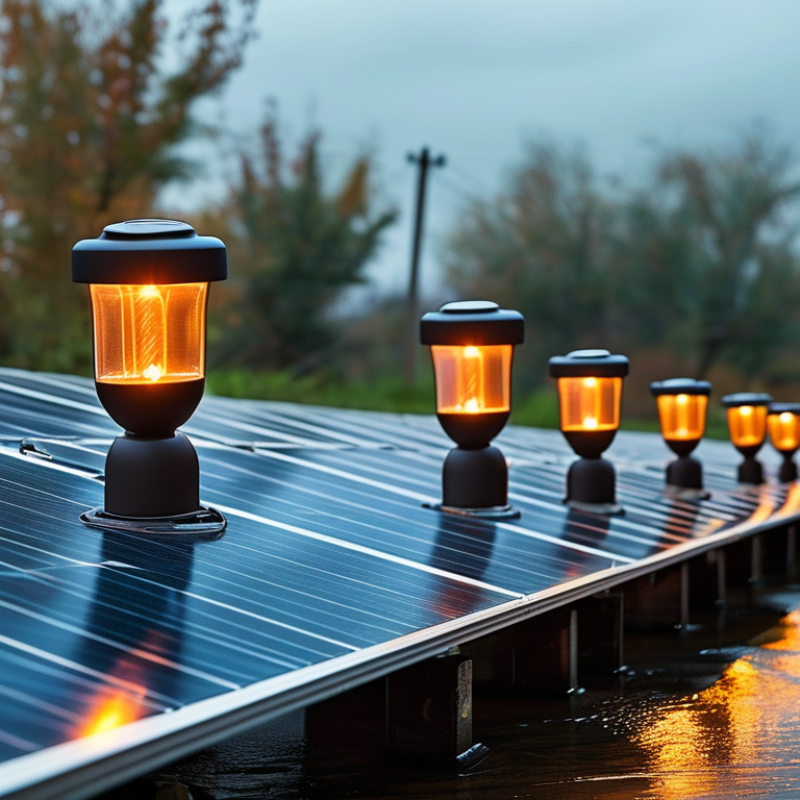
Blinking solar flood lights can be frustrating. Understanding why they blink is essential for effective troubleshooting. Commonly, these lights blink due to inadequate sunlight exposure. Solar lights rely on solar panels to charge their batteries. Reports indicate that solar panels convert about 15-20% of sunlight into energy. Insufficient sunlight can lead to battery undercharging, causing flickering.
Another common cause is battery issues. As batteries age, they lose efficiency. A study found that over 30% of solar light failures are linked to battery performance. When batteries cannot hold a charge, they may cause lights to blink. Additionally, temperature fluctuations can affect battery life. Extreme cold might reduce capacity significantly.
Wiring problems also play a critical role. Damaged or loose connections may lead to inconsistent power delivery. Environmental factors, such as moisture and dirt, can also cause connectivity issues. Regular maintenance can help identify these problems early. Ignoring these signs may lead to more significant failures down the line. Effective troubleshooting requires honing in on these common causes to ensure your solar flood lights function optimally.
Solar flood lights can sometimes blink, and this issue often stems from problems with the solar panel's position and exposure. Proper sunlight exposure is essential for optimal functionality. If the solar panel is shaded by trees or nearby structures, it won't receive enough sunlight. This can lead to blinking lights as the battery may not be charged adequately.
Another common issue is the angle of the solar panel. For maximum efficiency, it should be tilted towards the sun. If it's flat or facing an incorrect direction, the panel collects less energy. While some users may overlook this detail, adjusting the panel can make a significant difference.
Sometimes, dirt or debris can accumulate on the panel's surface. This can block sunlight and decrease energy absorption. Regular cleaning is necessary to maintain performance. If blinking persists, even with proper exposure and cleanliness, it may signal deeper electrical issues. It's worth considering that troubleshooting solar lights can be a bit of a trial-and-error process. Experimenting with different positions could lead to better performance.
Battery performance is crucial in solar systems. A depleted or poorly connected battery can lead to blinking lights. According to a 2022 report by the Solar Energy Industries Association, nearly 25% of solar system failures relate to battery issues. This highlights the importance of regular maintenance and thorough checks.
Connections in a solar setup can also influence performance. Loose connections can result in fluctuating power supply. The National Renewable Energy Laboratory emphasizes that proper installation and secure connections enhance system efficiency. Regular inspections are vital to ensure that every component is functioning correctly.
Poor battery health often results from extreme temperatures. This situation can lead to diminished capacity and inconsistent lighting. Keeping batteries within optimal temperature ranges is essential. Additionally, the cycle life of batteries varies. Most lithium-ion batteries last around 2,000 cycles. Understanding these factors can help in troubleshooting blinking solar flood lights effectively.
LED flood lights are often the go-to solution for outdoor illumination. However, blinking lights can be frustrating. This issue can stem from various factors. One common reason is inadequate power supply. According to a 2022 industry report, over 40% of LED malfunctions are related to power issues. When the voltage fluctuates, it can cause lights to blink or flicker.
Another reason for blinking might be a faulty LED driver. This small component regulates the power to the lights. If it fails, it can cause erratic behavior. A study published in the Journal of Lighting Technology found that 25% of LED failures are driver-related. It's essential to ensure that your solar flood lights are compatible with the chosen driver to prevent these issues.
Additionally, environmental factors can affect performance. Extreme temperatures may lead to reduced efficiency, causing lights to blink intermittently. For instance, exposure to moisture can lead to corrosion and electrical short circuits. A 2021 survey highlighted that 30% of users experienced performance issues due to weather-related damage. Regular maintenance and proper installation are crucial for improving longevity and reliability.
Solar flood lights are a fantastic addition to outdoor spaces, providing safety and ambiance. However, blinking lights can be a nuisance. To keep these flickering issues at bay, regular maintenance is key.
One simple tip is to regularly clean the solar panels. Dust and debris can block sunlight, preventing the battery from charging fully. Use a soft cloth to wipe the panels gently. Ensure there is nothing obstructing the light's sensor as well. Sometimes, the blinking indicates poor sunlight exposure.
Another important tip involves checking the battery. Over time, batteries degrade. If your lights blink inconsistently, it might be time for a replacement. Invest in high-quality batteries for better performance. Additionally, consider the positioning of your lights. If they’re shaded by trees or furniture, they won't charge effectively. Ensure they receive ample sunlight during the day to function properly at night. Regular checks and adjustments can make a significant difference in performance.
: Blinking lights are often due to a depleted battery or loose connections.
Poor battery performance leads to system failures. Regular checks can prevent issues.
Regular inspections are vital. It helps ensure every component functions correctly.
Extreme temperatures can diminish battery capacity and cause inconsistent lighting.
Most last around 2,000 cycles. It’s important to monitor battery performance.
Inadequate power supply causes over 40% of LED malfunctions. Voltage fluctuations lead to blinking.
A faulty LED driver can cause erratic light behavior. Ensure compatibility with lights.
Yes, moisture and extreme temperatures can lead to performance issues.
Check the battery health and connections first. Regular maintenance can improve reliability.
No, while power issues are common, 25% of failures relate to driver problems.
In addressing the common question of "why are my solar flood lights blinking," it's essential to explore several potential causes. One significant factor is the positioning and exposure of the solar panel, which can affect energy absorption. Insufficient sunlight can lead to inconsistent power supply and blinking lights. Additionally, issues with battery performance or faulty connections within the solar system can contribute to this problem, as batteries may not hold a charge effectively.
Furthermore, LED light malfunctions can also cause blinking, requiring careful inspection and potential replacement of the lights. To mitigate these issues, regular maintenance is crucial. Ensuring that solar panels are clean and unobstructed, along with checking battery connections, can help prevent future blinking problems. By understanding these factors, homeowners can maintain their solar flood lights more effectively and ensure consistent illumination.

Habel Lighting