Can Solar Street Lights Work Without Direct Sunlight Tips?

Time:2026-07-27 Author:Sophia
0%

As the demand for sustainable energy solutions grows, many are questioning, "can solar street lights work without direct sunlight?" This topic is crucial for urban planners and environmentalists alike. According to Dr. Emily Harper, a leading expert in solar technology, “While direct sunlight enhances solar efficiency, innovative designs allow for adequate functionality in low-light conditions.”

Solar street lights typically rely on solar panels to gather energy during the day. However, subtleties in design can enable these systems to perform even on cloudy days. For instance, advanced battery storage technology helps store energy for nighttime use. Cities in varying climates need to explore if their solar street lights can sustain performance without constant sunlight.

Challenges persist. Not all solar panels have the same efficiency in low-light situations. It raises questions about reliability in diverse weather conditions. Also, installation and maintenance costs can be a concern. Hence, local authorities must weigh the pros and cons before full implementation. As communities strive for greener alternatives, understanding how solar can work under less-than-ideal circumstances is vital.
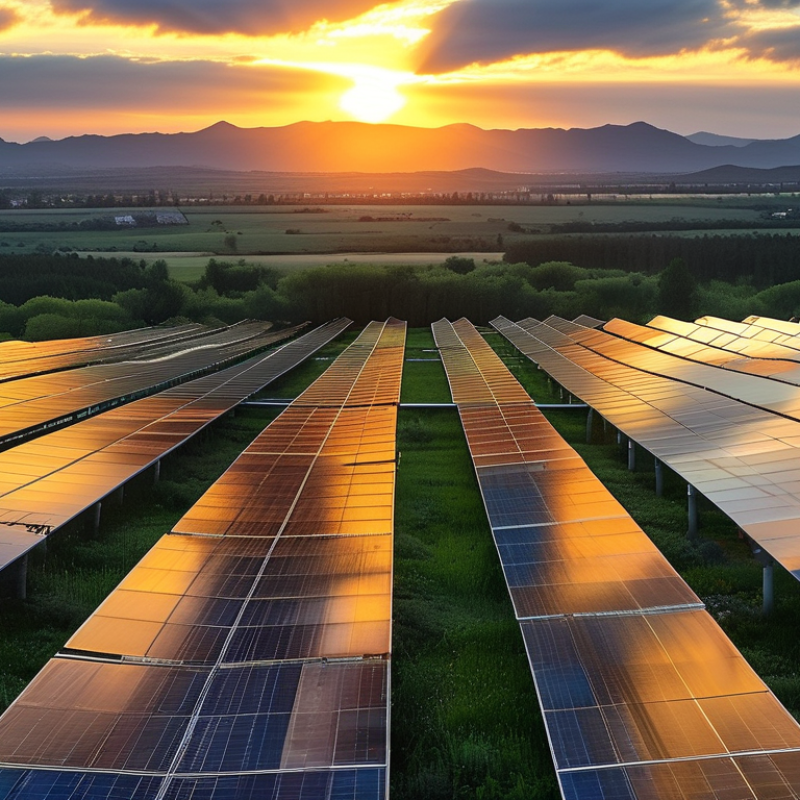
Can Solar Street Lights Work Without Direct Sunlight Tips?

Understanding Solar Street Lights and Their Functionality

Solar street lights harness solar energy to illuminate public spaces. These systems primarily rely on photovoltaic cells to convert sunlight into usable electricity. However, a common misconception is that they only work under direct sunlight. In fact, many modern solar street lights are designed to operate effectively even in low light conditions.

According to a study by the National Renewable Energy Laboratory (NREL), solar panels can generate power in cloudy weather, capturing around 20% of direct sunlight on overcast days. Some advanced solar street lights incorporate energy storage solutions. This allows them to function efficiently during nighttime or adverse weather. Research indicates that these systems can retain enough energy for about 3-5 days, ensuring reliability even in extended periods of low sunlight.

Nevertheless, there are challenges. The efficiency of solar panels drops significantly in lower temperatures. Also, dust and debris on solar panels can reduce their effectiveness. Regular maintenance is crucial in optimizing performance. Users should evaluate their solar lighting systems periodically and clean the panels to prevent energy loss. This awareness is vital for maximizing the benefits of solar street lights, especially in less sunny regions.

The Role of Sunlight in Solar Street Light Operation

Sunlight plays a crucial role in the operation of solar street lights. These lights rely on solar panels to collect energy during the day. This energy is then stored in batteries, powering the lights at night. However, what happens when there's insufficient direct sunlight? Can they still function effectively?

In areas with limited sunlight, the efficiency of solar street lights can decrease. Overcast days or shaded locations pose challenges. The stored energy may not last through the night if the solar panels don’t capture enough sunlight. It's essential to consider the placement of these lights. Locations with direct exposure to the sun increase their performance. However, it’s often not feasible in densely built environments.

Battery technology can mitigate some challenges. Modern batteries are designed to retain energy better than older models. Temperature also affects performance; extreme cold can reduce battery efficiency. Regular maintenance is vital. Checking batteries and solar panels ensures longevity. Lastly, understanding local weather patterns can help in planning installations. Adaptation is key in maximizing the effectiveness of solar street lights.

Methods to Enhance Solar Street Light Performance Without Direct Sunlight

When considering solar street lights, many wonder how they perform without direct sunlight. Several methods can significantly enhance their efficiency in low-light conditions. One effective approach is to use high-capacity rechargeable batteries. These batteries can store more energy, allowing lights to operate longer during cloudy days or nighttime.

Another important method involves installing solar panels with a wider angle for sunlight absorption. This optimization maximizes solar energy capture, even on overcast days. Many experts suggest maintaining the solar panels regularly to prevent dirt buildup, which can reduce efficiency. It’s crucial to evaluate placement carefully, ensuring solar panels receive the best possible exposure.

Additionally, integrating advanced LED technology can make a notable difference. LEDs consume less power while providing bright illumination. This allows the system to use the stored energy more efficiently. Users often overlook the importance of proper installation and positioning. A poorly placed solar street light might not function well, even with the best batteries and technology.

Alternative Energy Sources for Solar Street Lights

Solar street lights typically rely on sunlight for charging. However, alternative energy sources can effectively supplement their power needs. Many installations utilize wind energy, which can power lights even in cloudy conditions. According to a report from the International Renewable Energy Agency (IRENA), hybrid systems that pair solar and wind energy can increase efficiency by up to 30%.

Battery technology has also advanced significantly. Modern street lights often use lithium-ion batteries. These batteries can store excess energy generated during sunny days for use during night or cloudy periods. Additionally, solar street lights equipped with motion sensors can optimize energy usage by dimming when no activity is detected. This feature conserves power for extended operating time, especially in areas with less sunlight.

It's worth noting that while these alternatives enhance functionality, they may not eliminate the challenges of solar reliance. Regular maintenance is essential. Some systems may underperform in areas with consistent shade or extreme weather conditions. Engineers studying these systems stress the importance of site assessment. Understanding local climate factors can lead to better project outcomes and energy efficiency.

Maintenance Tips for Optimal Performance in Low Sunshine Areas

Maintaining solar street lights in low sunshine areas is crucial for their effectiveness. Specifically, the performance can drop significantly in regions receiving less than 4 hours of sunlight per day. Studies show that these lights rely heavily on efficient battery systems. High-quality batteries can store energy better, ensuring lights function during cloudy days and nighttime.

Regular cleaning of solar panels is vital. Dust and debris can hinder energy absorption. It’s recommended to clean them at least once a month. In addition, checking the alignment of solar panels can maximize sunlight capture. Misalignment can result in a 20% drop in solar efficiency. This maintenance step can easily be overlooked.

Monitoring battery health is essential too. Replacing batteries every 3-5 years can help maintain optimal performance. Some signs of battery failure include dimming lights and inconsistent performance. These issues must be addressed quickly to avoid extended blackout periods. Keeping track of these aspects can lead to a more reliable solar lighting system, even in less sunny environments.

Performance of Solar Street Lights in Varying Sunlight Conditions

This chart illustrates the battery charge levels of solar street lights under different sunlight conditions. As expected, direct sunlight allows for optimal battery charging, while low or no sunlight significantly decreases energy storage, impacting performance.

FAQS

: How do solar street lights perform without direct sunlight?

: They can work efficiently using high-capacity rechargeable batteries for energy storage.

What is one effective method to enhance solar street light performance?

Installing solar panels at a wider angle captures more sunlight, even on cloudy days.

How does regular maintenance impact solar street light efficiency?

Regularly cleaning solar panels prevents dirt buildup, which can significantly reduce energy absorption.

What role do advanced LEDs play in solar street lighting?

LEDs use less power and provide bright illumination, making energy use more efficient.

Can solar street lights use alternative energy sources?

Yes, hybrid systems that combine solar and wind energy can increase efficiency by up to 30%.

Why is site assessment important for solar street light installation?

Understanding local climate factors helps ensure optimal energy efficiency and performance.

How often should solar panels be cleaned?

It's recommended to clean them at least once a month to maintain energy absorption.

What maintenance is needed for battery systems in solar street lights?

Batteries should be monitored for health and replaced every 3-5 years to prevent issues.

What can happen if solar panels are misaligned?

Misalignment can lead to a 20% drop in solar efficiency, affecting overall performance.

What indicates potential battery failure in solar street lights?

Signs include dimming lights and inconsistent performance, which should be addressed quickly.

Conclusion

Solar street lights are becoming increasingly popular for their sustainability and efficiency, but a common question arises: can solar street lights work without direct sunlight? Understanding how these lights operate is essential; they rely on solar panels to capture sunlight and convert it into energy. However, factors such as limited sunlight exposure can hinder their performance.

To enhance functionality in low-light conditions, several methods can be implemented. These include utilizing energy-efficient LED technologies, integrating battery storage systems, and exploring alternative energy sources like wind or hydro power. Regular maintenance is also crucial to optimize performance in areas with reduced sunlight. By addressing these factors, solar street lights can still be effective, even in less sunny environments.

Sophia

Sophia

Sophia is a dedicated marketing professional with an exceptional depth of knowledge about her company's products and services. With a keen understanding of market trends and customer needs, she crafts insightful blog posts that not only inform but also engage readers, enriching the company’s online......