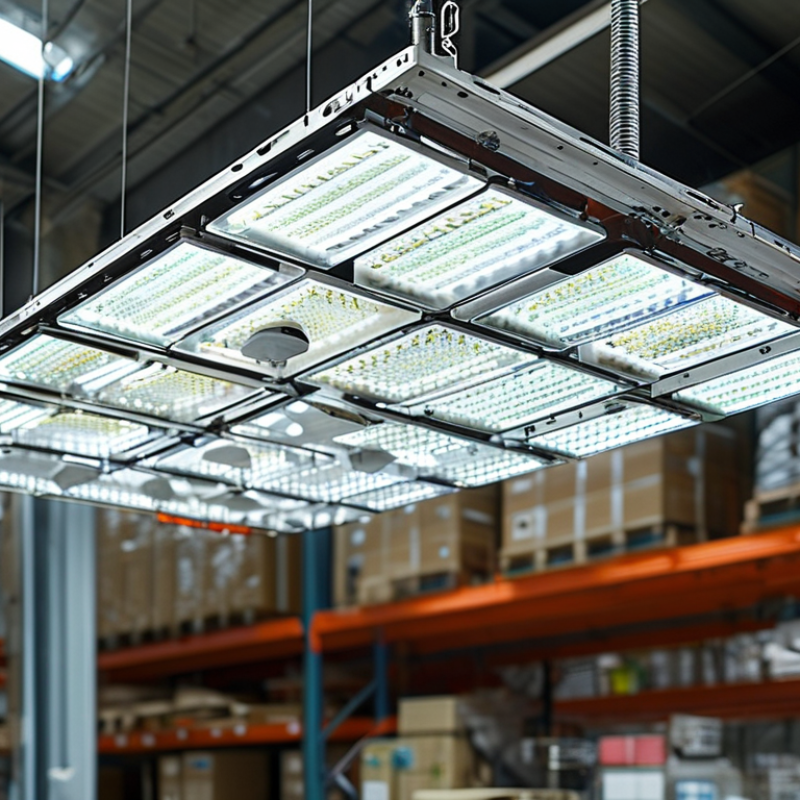
When considering how to choose industrial LED high bay lights, several factors come into play. These lights are essential for warehouses and large spaces. They provide bright illumination, enhancing safety and efficiency. Choosing the right ones can be daunting.
First, assess the ceiling height of your facility. This determines the wattage and type of fixture needed. Think about the layout and activities in the space. Will you need strong light for detailed tasks, or softer light for general areas?
Don't overlook energy efficiency. LED lights save on energy costs and require less maintenance. Check the lumen output, as it indicates brightness. Brands also matter—trust reputable manufacturers to ensure reliability. In this article, we explore the top 10 tips that will guide you through the selection process, helping you make informed choices for your industrial lighting needs.
Understanding the Benefits of Industrial LED High Bay Lights
Industrial LED high bay lights offer numerous advantages that enhance workplace efficiency. They provide high luminosity, illuminating large areas effectively. This is essential for warehouses or manufacturing plants. Businesses often notice reduced energy costs due to their efficiency. Comparatively, traditional lighting systems consume more power.
Another benefit lies in the longevity of LED lights. They last much longer than incandescent or fluorescent lights. This translates into fewer replacements, saving on maintenance costs. Additionally, LEDs produce less heat, which keeps work environments cooler. Workers can focus better in a comfortable setting, improving productivity.
While considering LED high bay lights, one must reflect on the specific needs of the space. Factors like height, brightness, and color temperature play significant roles. Not every LED option will fit all environments. It's also essential to seek reliable sources for installation and support. This helps ensure the lighting system is set up correctly for maximum benefit.
Key Factors to Consider When Choosing High Bay Lights
When selecting industrial LED high bay lights, several key factors warrant attention. The first consideration is the lumen output. Higher lumen output ensures ample brightness for large areas. Aim for lights that provide at least 130 lumens per watt. This is crucial for spaces like warehouses or gymnasiums, where visibility is essential.
Another vital factor is the color temperature. A cooler color temperature, around 5000K, mimics daylight. This enhances visibility and can reduce eye strain. It’s beneficial in work environments where precision is crucial. However, some might prefer warmer tones for comfort.
Consider the installation height as well. High bay lights are typically used in heights above 15 feet. Ensure the chosen fixtures can efficiently illuminate from such heights. Performance can diminish if the light angle isn’t adequate.
Let’s not forget energy efficiency. Energy Star-rated products save on utility costs and are environmentally friendly. Review the expected lifespan of the lights. Quality high bay LEDs can last over 50,000 hours. All these aspects require careful thought to make the best choice.
Top 10 Tips for Choosing Industrial LED High Bay Lights
Evaluating the Appropriate Wattage for Your Space
Choosing the right wattage for industrial LED high bay lights is crucial. The appropriate wattage ensures optimal lighting for large spaces like warehouses or manufacturing facilities. Consider the height of your ceilings. Higher ceilings require lights with greater wattage to provide adequate illumination.
Evaluate the specific activities performed in the area. Some tasks need brighter light. Others can function well under softer lighting. A general guideline is 100-150 lumens per watt for effective lighting. This can vary based on the nature of your operations.
Experimentation may be necessary. You might find that your initial choice isn't perfect. Sometimes, additional fixtures are needed for darker corners. Don’t hesitate to test different wattages before finalizing your decision. Understanding how light interacts with different surfaces is essential too. It can impact the overall brightness significantly.
Top 10 Tips for Choosing Industrial LED High Bay Lights
| Tip |
Description |
Recommended Wattage |
Area Coverage (sq ft) |
| 1. Assess Ceiling Height |
Determine the height of your ceiling to select appropriate wattage. |
100-150W |
10-14 ft |
| 2. Evaluate Light Output |
Check lumen output for adequate brightness. |
150-200W |
14-20 ft |
| 3. Consider Energy Efficiency |
Look for lights with high lumens per watt ratio. |
200-300W |
20-30 ft |
| 4. Check Color Temperature |
Choose a color temperature that suits your work environment. |
150-200W |
10-20 ft |
| 5. Look for Dimmable Options |
Dimmable lights help control brightness levels effectively. |
100-150W |
8-14 ft |
| 6. Assess Fixture Design |
Choose a design that suits your space layout and requirements. |
200-300W |
20-30 ft |
| 7. Check Beam Angle |
Select a beam angle that suits your lighting needs. |
150-250W |
12-24 ft |
| 8. Review Operating Temperature |
Ensure the lights can operate effectively in your environment. |
100-200W |
10-18 ft |
| 9. Check Durability Ratings |
Choose lights with high durability ratings for industrial use. |
200-400W |
15-30 ft |
| 10. Consider Installation Ease |
Look for fixtures that are easy to install and maintain. |
150-250W |
12-25 ft |
Analyzing Lumen Output and Color Temperature Options
When selecting industrial LED high bay lights, analyzing lumen output and color temperature is crucial. Lumen output indicates the brightness of the light. A higher lumen value means a brighter environment, which is essential in warehouses and factories. For instance, 15,000 to 30,000 lumens can effectively illuminate spaces with high ceilings. However, too much brightness can cause glare. Balancing brightness with comfort is important for safety.
Color temperature affects the mood of the space. It is measured in Kelvins (K). Warmer temperatures, around 3000K, create a cozy atmosphere. Cooler temperatures, closer to 5000K, mimic daylight and can enhance focus. This is particularly beneficial in areas where precision work is necessary. Experimenting with different temperatures can impact productivity.
Pay attention to how light color interacts with your workspace. Some facilities may require a cooler light for optimal performance. However, others might benefit from warmer tones for a welcoming feel. Assess your needs carefully. Overlooking these aspects can lead to poor choices. Remember, selecting the right light is a thoughtful process.
Assessing Power Consumption and Energy Efficiency Ratings
When selecting industrial LED high bay lights, energy efficiency must take center stage. Research shows that lighting accounts for about 20% of a facility’s energy consumption. Therefore, focusing on power consumption helps cut costs. Look for fixtures with an energy efficiency rating (EER) of 100 lumens per watt or higher. Such ratings reflect optimal performance without excessive energy use.
Consider the importance of thermal management. Poor heat dissipation can lead to reduced lifespan and efficiency. High-quality LED fixtures often feature robust heat sinks and active cooling, which enhance durability. It’s also crucial to analyze the total wattage needed for your space. Conducting a thorough evaluation of the area’s dimensions and tasks can help avoid over-illumination.
Tip 1: Always check the lumen output in relation to wattage. A fixture’s efficiency improves when it produces more lumens per watt consumed. Tip 2: Compare different models’ CRI (Color Rendering Index). A CRI of 80 or above is essential in environments requiring accurate color distinction. Lastly, don’t overlook the importance of warranty and lifespan. Quality fixtures offer warranties upwards of five years, ensuring reliability in your investment.
Conclusion
When considering how to choose industrial LED high bay lights, it is crucial to understand their numerous benefits, such as energy efficiency and long lifespan. Key factors to evaluate include the appropriate wattage for your specific space, which ensures adequate lighting without excessive energy consumption. Additionally, analyzing the lumen output and color temperature options will help you create the desired ambiance and visibility in your industrial setting.
Another essential aspect is assessing power consumption and energy efficiency ratings, as these will directly influence long-term operational costs. By focusing on these elements, you can select the best industrial LED high bay lights that meet your facility's lighting needs while maximizing energy savings and performance.

 Habel Lighting