Understanding lighting options is crucial for various applications. As lighting expert John Smith states, “Choosing the right light source transforms a space.” When exploring “what is the difference between floodlight and spotlight,” it's vital to grasp their distinct functions and uses.
Floodlights offer wide beams, illuminating large areas effectively. They're beneficial for outdoor spaces, security needs, and sports fields. Spotlights, on the other hand, produce narrower beams. They focus light on specific objects or areas. This contrast highlights their purpose.
While the terms may seem interchangeable, the choice depends on your requirements. Floodlights are ideal when broader coverage is needed. Spotlights suit accenting particular features. A clear understanding of each type's role guides informed decisions. Lighting shapes experiences. Reflecting on these differences can enhance both safety and aesthetic appeal.
Understanding Floodlight: Definition and Characteristics
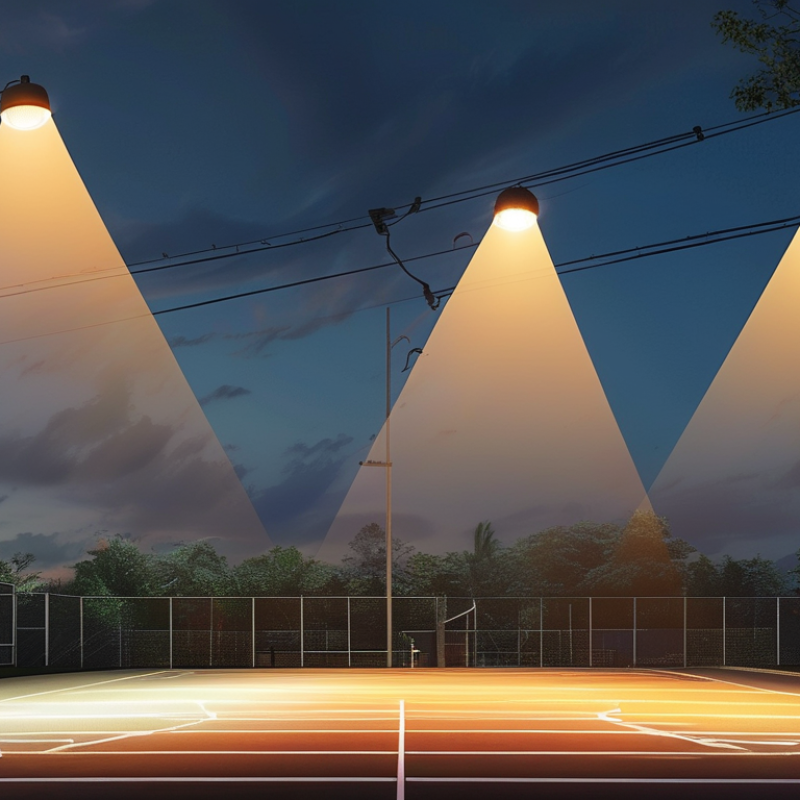
Floodlights are powerful lighting tools designed to illuminate large areas. They provide high-intensity light with a wide beam angle, typically exceeding 70 degrees. This enables an expansive coverage, making them ideal for outdoor events, safety lighting, and industrial applications. Reports indicate that effective floodlighting can enhance visibility by up to 300%, particularly in public spaces where security is a concern.
However, floodlights can also create excessive glare if not used judiciously. This can lead to uninviting environments and even light pollution. Understanding the right placement and intensity is crucial; improper use can diminish their benefits. Research shows that carefully calibrated floodlighting can reduce accidents by 20% in parking areas.
Effective floodlight setups need to balance visibility and glare. While they expand coverage, they may also overwhelm certain areas, drawing attention away from details that matter. This tension highlights the need for thoughtful design and application. Floodlighting is not just about illumination; it is also about creating an atmosphere that encourages safety and comfort.
Exploring Spotlight: Definition and Key Features
Spotlight filmmaking brings a unique focus to storytelling. This technique emphasizes specific details and moments, creating an intimate experience for the audience. Unlike broad lighting methods, a spotlight hones in on particular subjects, highlighting emotions and actions that drive the narrative forward. The contrast between light and shadow adds depth. This enhances the visual storytelling significantly.
Key features of spotlighting include its directionality and intensity. Spotlights can create dramatic effects by isolating a character or object. Audiences feel drawn into the scene. The focused light guides viewers’ attention. It reveals what the filmmaker wants to emphasize. Spotlights are often used to heighten tension or showcase pivotal moments. These moments can evoke strong emotional responses.
However, managing spotlight effects can be challenging. Overusing them might lead to confusion or distraction. This can detract from the overall impact of the film. Filmmakers must balance spotlighting with broader lighting techniques. This ensures a cohesive visual narrative. Exploring the dynamics of spotlighting is vital for anyone seeking to master the art of cinematography. Each attempt reveals new layers and opportunities for growth.
Understanding the Difference Between Floodlight and Spotlight
This chart illustrates the key features differentiating floodlight and spotlight usage in various lighting scenarios.
Comparative Analysis: Floodlight vs. Spotlight
When comparing floodlights and spotlights, understanding their distinct functionalities is crucial. Floodlights provide wide illumination, covering large areas with softer light. They're often used for outdoor applications, like sports fields and parking lots. According to the U.S. Department of Energy, floodlights can be up to 90% more efficient than traditional incandescent lights. This significant energy savings makes them a popular choice in modern lighting systems.
Spotlights, on the other hand, narrow in focus for targeted lighting. They are ideal for highlighting specific features, such as artwork or architectural details. A report from the International Energy Agency highlights that focused lighting can enhance visibility and safety in various environments, thus improving overall user experience.
Tips for Choosing: When selecting between floodlights and spotlights, consider the purpose of your lighting. If you need to illuminate a large area, floodlights are the way to go. However, for accentuating a feature, opt for spotlights. Keep in mind that the installation and ongoing maintenance can vary significantly between the two. Reflect on your long-term needs—investing in the right type can save energy and costs in the long run.
Remember, each system has its flaws. Floodlights can wash out details, while spotlights may create shadows. Evaluating these aspects ensures informed lighting decisions.
How to Understand the Difference Between Floodlight and Spotlight? - Comparative Analysis: Floodlight vs. Spotlight
| Feature |
Floodlight |
Spotlight |
| Beam Angle |
Wide (90° or more) |
Narrow (15° to 45°) |
| Illumination Type |
Omnidirectional |
Directional |
| Best Use Case |
Large areas like yards, buildings |
Highlighting specific objects or features |
| Energy Efficiency |
Moderate |
High |
| Installation Height |
Can be mounted lower |
Typically requires higher mounting |
| Light Quality |
Soft and diffused |
Sharp and focused |
Applications and Use Cases of Floodlight and Spotlight
Floodlight and spotlight serve distinct purposes in illumination. Floodlights provide broad and intense light, ideal for outdoor settings and large areas. In contrast, spotlights deliver a focused beam for highlighting specific features. According to a report by the Lighting Research Center, floodlight usage increased by 50% in outdoor commercial applications between 2019 and 2022. This surge reflects the growing demand for enhanced security measures.
Applications vary widely between these lighting types. Floodlights excel in sports fields and construction sites, where visibility across vast areas is crucial. In contrast, spotlights are frequently found in theaters and galleries to draw attention to artwork or performances. A study from the International Lighting Association noted that 65% of venues prefer spotlights for their versatility in enhancing ambiance. Yet, the effectiveness of both types depends on placement, which can sometimes be inconsistent. Optimal spotting can lead to shadows if not positioned correctly, highlighting the need for careful planning.
Moreover, energy efficiency is a significant factor. While floodlights consume more energy, advancements in LED technology are narrowing the gap. Research indicates that well-placed floodlights can reduce overall energy costs by up to 30%. Nonetheless, the balance between brightness and energy use should be reconsidered continually. Evaluating real-time needs and conditions could further refine lighting strategies.
Choosing the Right Lighting: Factors to Consider
Choosing the right lighting involves various factors that impact both functionality and aesthetics. One important consideration is the type of light—floodlight or spotlight. Floodlights provide broad, even illumination. They are ideal for large areas. Think outdoor spaces, parking lots, or even your backyard. Spotlights, on the other hand, focus a narrow beam of light on specific areas. They work well for highlighting artwork or architectural features indoors.
When selecting between these options, consider the purpose of the lighting. Floodlights can create a sense of safety and openness. They help prevent accidents in dark areas. However, they might wash out details, making some spaces feel flat. Spotlights can draw attention to details. They can create a dramatic effect, but overuse might lead to stark shadows. The balance is crucial.
It is also essential to think about placement and adjustments. A spotlight in the wrong position can create glare, making a space uncomfortable. Floodlights may require reflective surfaces to enhance their effectiveness. Reflect on how the light influences mood and functionality in your space. Everyone's preferences vary, and finding the right mix can be a personal journey.
FAQS
: Floodlights illuminate large areas with high-intensity light and a wide beam angle.
Incorrect placement can create glare and reduce the benefits of visibility and safety.
Properly calibrated floodlighting can increase visibility by up to 300% in public spaces.
They are ideal for outdoor events, safety lighting, and large industrial applications.
Floodlights provide broad light, while spotlights focus on specific features with narrow beams.
Floodlights consume more energy, but advancements can reduce costs by up to 30%.
Yes, they can create harsh shadows if not properly placed, impacting ambiance.
Consider functionality, purpose, and how lighting influences mood and aesthetics.
They can reduce accidents in dark areas by enhancing overall visibility.
Inconsistent placement can lead to unwanted effects, such as glare or shadows.
Conclusion
Understanding the difference between floodlight and spotlight is essential for effective lighting solutions. Floodlights are designed to illuminate large areas with a broad beam of light, making them ideal for outdoor spaces, stadiums, or security lighting. They provide expansive coverage but lack focused intensity. In contrast, spotlights feature a narrow beam that highlights specific areas or objects, perfect for emphasizing artwork, architectural features, or creating dramatic effects in landscapes.
When selecting the right lighting, it’s crucial to consider the intended application. Floodlights are better suited for general area lighting, while spotlights excel in tasks requiring precision and focus. By carefully evaluating these factors, users can successfully determine which lighting type best fits their needs, ultimately enhancing both aesthetics and functionality in various environments.

 Habel Lighting