Why Is My Solar Light Sensor Not Working 2026 Top Types?

Time:2026-10-05 Author:Liam
0%

When homeowners ask, “why is my solar light sensor not working,” the sensor is not always the real problem. A dusty panel, weak rechargeable battery, hidden power switch, or shaded installation can stop the light from responding. In 2026, common solar-light types include integrated LED units, split-panel models, motion-activated security lights, dusk-to-dawn lamps, and decorative pathway lights. Each design uses slightly different controls and failure points.

Solar lighting engineer Dr. Steven J. Strong, author of The Solar Electric House, offers a practical reminder: “A solar light is only as reliable as its weakest component.” This principle matters during testing. A clean sensor cannot compensate for a battery that no longer stores energy. A strong battery cannot help when nearby porch lighting fools the photocell. Small details matter.

Start with the simple checks.

Place the lamp in direct sunlight. Clean the panel with a soft, damp cloth. Confirm the switch is set to “on.” Cover the sensor for several minutes, preferably after sunset. If the light still stays dark, inspect the battery compartment for corrosion, loose contacts, or moisture. Motion models also need a clear detection path and correct sensitivity settings.

Some explanations remain uncertain. A lamp may work briefly, then fail before dawn. That pattern often suggests limited battery capacity, but cold weather or heavy shade may contribute. Reliable troubleshooting requires observation, not guessing. This guide examines the leading causes, sensor types, practical fixes, and situations where replacement is more sensible than repair.
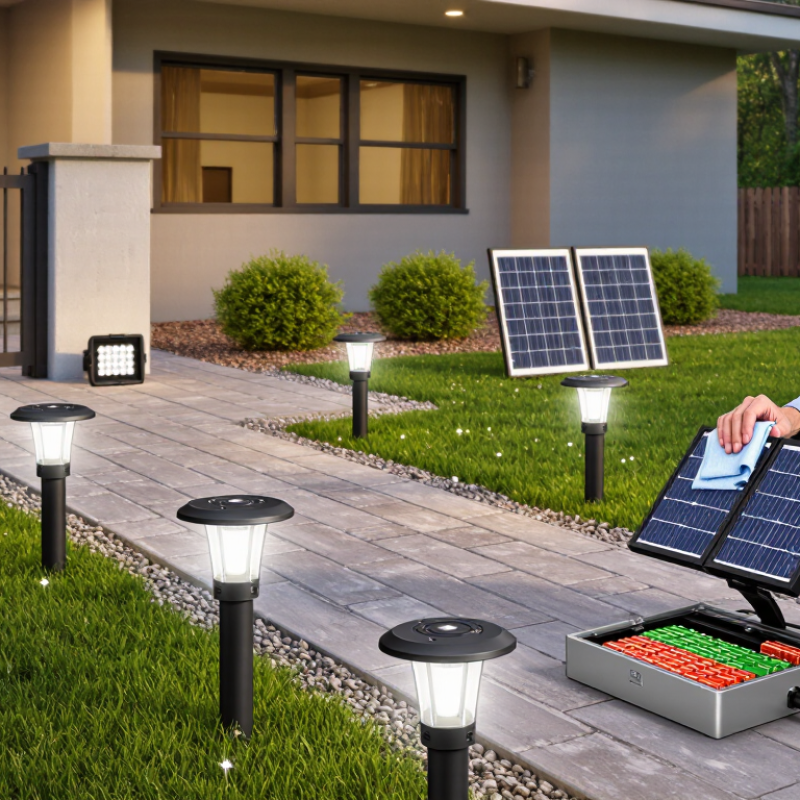
Why Is My Solar Light Sensor Not Working 2026 Top Types?

How Solar Light Sensors Work and Why They Matter

A solar light sensor acts like a small gatekeeper for the lamp. During daylight, it detects strong ambient light and keeps the circuit switched off. At dusk, the light level falls below a preset threshold, allowing stored battery power to reach the lamp. This process saves energy and prevents unnecessary daytime operation.

The main sensor types in 2026 include light-dependent resistors, photodiodes, and combined ambient-light sensors. An LDR changes resistance as brightness changes, making it affordable and simple. Photodiodes respond faster and can provide more consistent readings. Some newer designs combine light sensing with motion detection, so the lamp stays dim until movement occurs. More features can also mean more possible failures.

When a solar light stays off, inspect the sensor window first. Dust, mud, or a nearby reflective surface can distort its reading. Cover the panel during daytime with your hand, then check whether the lamp activates. If it does not, examine the battery, wiring, and water seals. A weak battery may store enough energy for a brief flash, but not a full night. Also check whether another lamp shines directly onto the sensor. I have found this mistaken “daylight” condition surprisingly often. My first assumption was usually a dead sensor, but the surrounding light was sometimes the real problem. Temperature, shade, and aging components can further shift the sensor’s threshold. Small changes matter.

Common Reasons a Solar Light Sensor Stops Working

Why Is My Solar Light Sensor Not Working 2026 Top Types?

A solar light sensor usually fails because it cannot read daylight correctly. Dust, leaves, or a nearby wall can cover the photocell. Wipe the small sensor with a soft, dry cloth. Then test the light in darkness. Cover it completely with your hand. If it stays off, check the power path. The U.S. Department of Energy reports that LED lighting can use at least 75% less energy than incandescent lighting. However, a weak rechargeable battery can still prevent the LED from turning on. Battery age, winter temperatures, and repeated cloudy days reduce stored power. Replace the battery only with the same voltage and chemistry.

The solar panel also needs direct sunlight. Shade from a balcony may look harmless but can cut charging time sharply. NREL’s PV Lifetime Project commonly uses about 0.5% annual degradation as a photovoltaic performance benchmark. Small panels can lose practical output faster when dirt, scratches, or poor angles are added. Inspect loose wires, corrosion, cracked seals, and water inside the housing. A blinking light may indicate a failing controller rather than a dead sensor. Some models include motion detection, dusk-to-dawn sensing, or a timer. Check each setting carefully. I have seen users replace good batteries while the switch was simply set to “off.” That mistake is easy. If cleaning, charging, and reset steps fail, the sensor circuit may need replacement. DIY repairs are not always worth the risk.

How to Check the Panel, Battery, Sensor, and Wiring

Why Is My Solar Light Sensor Not Working in 2026?

Start with the panel. Place the light outdoors under direct sun, away from roof edges, leaves, and dust. Wipe the surface with a soft, damp cloth. A clean panel is not always the cure. NREL’s photovoltaic degradation review found a median output loss of about 0.5% per year, but shade can reduce charging far more quickly. Check the panel cable for cracks, loose plugs, or green corrosion. Use a multimeter only if you understand the light’s rated voltage.

Inspect the battery next. Remove it, examine the terminals, and clean light corrosion carefully. A swollen, leaking, or hot battery needs replacement. Do not puncture it. Measure voltage after charging, then compare it with the battery label. A normal reading can still hide weak capacity. That is where troubleshooting becomes imperfect. The light may work briefly, then fail before dawn. Battery aging is often missed. IEC 61951 and IEC 62133 testing guidance also shows why battery safety and correct charging conditions matter.

Clean the sensor window and check its position. Cover the panel or sensor during daylight to test whether the lamp responds. If it stays off, inspect wiring polarity and connector pressure. If it remains on, the light sensor may be blocked or faulty. Motion sensors need a clear detection path and proper angle. IEA PVPS reliability research repeatedly links outdoor photovoltaic failures with moisture, heat, and connection stress. Therefore, check seals after rain, not only during dry testing.

Step-by-Step Ways to Repair or Reset the Sensor

Solar light sensors usually fail for simple reasons: dirt, weak batteries, loose wiring, or incorrect placement. Common 2026 sensor types include photocells, motion sensors, and combined light-motion sensors. Each needs a slightly different check. A photocell should react to darkness, while a motion sensor also needs movement within its detection range.

Turn the light off and remove its battery before inspecting the sensor. Wipe the small sensor window with a dry, soft cloth. Check for cracked covers, corrosion, or water inside the housing. Clean corroded contacts carefully, then install a fully charged battery with the correct polarity. Cover the panel with thick cardboard to simulate nighttime. If the light turns on, the sensor probably works. If it stays off, inspect loose wires and damaged solder points. Do not force them. That mistake can worsen the fault.

Tips: Reset the light by removing the battery for one minute, switching the power control off, then reinstalling the battery. Place the panel in direct sunlight for a full day before testing again. Keep the sensor away from porch lamps and reflective walls. For motion models, walk across the detection area instead of directly toward it. A multimeter can reveal low battery voltage, but readings may vary after charging. I once blamed the sensor too quickly; the real issue was a shaded panel. If water has reached the circuit, replacement is often safer than repeated resets.

Why Is My Solar Light Sensor Not Working? 2026 Sensor Testing Guide

How to use this chart: Cover the solar panel completely to simulate darkness, then expose it to light. A working dusk-to-dawn sensor should normally turn the light on in very low light and turn it off in brighter conditions. Actual switching thresholds vary by sensor design.

Typical reference illuminance levels include approximately 0.1 lux for moonlight, 300 lux for office lighting, 1,000 lux for an overcast outdoor environment, and 100,000 lux for direct sunlight. If the light stays on during bright conditions, clean the panel, check for nearby shadows, inspect the sensor wiring, and test the battery. If it stays off in darkness, cover the panel for several minutes, verify battery polarity, and reset or replace the sensor if necessary.

When to Replace the Sensor or Buy a New Solar Light

Why Is My Solar Light Sensor Not Working? 2026 Top Types

When to Replace the Sensor or Buy a New Solar Light

A solar light sensor may fail because dirt covers its small window, wiring loosens, or water enters the housing. Start by cleaning the sensor with a dry cloth. Then place your hand over it after sunset or in a dark room. If the light stays off, check the rechargeable battery and panel connection. A weak battery can imitate a faulty sensor. I once replaced a sensor too quickly and later found heavy dust on the panel. That mistake was avoidable.

Replacing the sensor makes sense when the light is high-quality, the housing opens easily, and compatible parts are available. Choose this option when the battery still charges and the LED remains bright during testing. Buy a new solar light when corrosion spreads across the circuit, the plastic turns brittle, or repair costs approach half the replacement price. Sealed units are often difficult to repair safely. Small savings can become wasted time.

Tips: Test the light in complete darkness, not under a porch lamp. Photograph the wiring before removing anything. Check for moisture after rain. If the sensor works only when tapped, its internal connection may be failing. Do not ignore heat, swelling, or burnt smells. A replacement is usually wiser then. I still question quick repairs when the entire unit has already endured several harsh seasons.

FAQS

How does a solar light sensor decide when to turn the lamp on?

It detects falling ambient light at dusk. Then it connects stored battery power to the lamp. During daylight, it keeps the circuit off. Simple, but not perfect.

Why does my solar light stay off at night?

Clean the sensor window with a soft, dry cloth. Cover the panel or sensor with your hand during daylight. If nothing happens, inspect the battery, wiring, switch, and seals.

Can another light confuse the solar sensor?

Yes. A nearby lamp, reflective wall, or bright window may imitate daylight. Move the light away from direct glare. I have sometimes blamed the sensor too quickly.

How should I test the solar panel?

Place it under direct sunlight, away from leaves and roof edges. Wipe away dust with a soft, damp cloth. Check for cracks, loose plugs, and green corrosion. Shade matters more than expected.

How can I tell whether the battery is weak?

A weak battery may create one brief flash, then fail before morning. Inspect for swelling, leakage, heat, or corroded terminals. Replace it with the same voltage and chemistry. A normal voltage reading can still hide poor capacity.

Why does the light blink instead of staying on?

Blinking may indicate a weak battery, poor wiring, or a controller problem. Check connector pressure and battery condition. Moisture inside the housing can also disrupt the circuit. Do not assume the sensor is dead.

What should I check after rain?

Inspect rubber seals, cracks, and water inside the housing. Dry testing can miss moisture-related faults. Heat and connection stress may worsen outdoor failures. Small damage can become important.

When should I replace the sensor circuit?

Consider replacement after cleaning, charging, setting checks, and wiring inspection fail. DIY repairs may damage the housing or battery. I would avoid guessing when several parts show symptoms. Baebele.

Conclusion

If you are asking, “why is my solar light sensor not working,” the problem may involve several connected parts. A solar light sensor detects changes in surrounding brightness and tells the lamp when to turn on or off, while the panel charges the battery during daylight. Dust, shade, weak sunlight, a worn battery, incorrect settings, loose wiring, water exposure, or a blocked sensor can all prevent normal operation. Understanding how these components work together makes troubleshooting easier.

Start by cleaning and inspecting the panel, checking whether it receives enough direct sunlight, and testing the battery for signs of damage or low power. Make sure the sensor window is clear, the switch is set correctly, and all wires and connections are secure. A full reset, battery recharge, or careful reconnection may restore the light. If the sensor remains unreliable after these checks, replacing the sensor or purchasing a new solar light may be the most practical solution.

Liam

Liam

Liam is a dedicated marketing professional with a profound expertise in the industry, where he excels at highlighting the unique advantages of our core products. With a keen understanding of market trends and consumer needs, Liam frequently updates our company’s professional blog, providing......