7 Best Reasons Why Outdoor LED Lights Attract Bugs?

Time:2026-09-15 Author:Sophia
0%

Many homeowners ask, “why do outdoor led lights attract bugs,” especially after seeing moths circle a porch fixture at night. The answer is more nuanced than a simple claim that LEDs attract every insect. Light color, brightness, wavelength, temperature, placement, and nearby vegetation can all influence insect activity. Some species respond strongly to ultraviolet and blue wavelengths, while others react to bright light from any source.

This guide examines seven practical reasons outdoor LED lights may draw bugs toward patios, entrances, and garden paths. It considers findings from insect-lighting research, along with common observations from residential installations. Cooler white LEDs often appear more noticeable to flying insects than warm amber bulbs. A fixture shining across a pond or flowering plant may also create a busy feeding area. Small details matter.

Not every bug is responding to the lamp itself.

Some may already live nearby.

Experienced lighting professionals usually check the surrounding environment before blaming the bulb. They inspect color temperature, beam direction, operating hours, and reflective surfaces. However, the science is not perfectly settled for every insect species or LED design. I may even overstate one factor if local conditions differ. That is why reliable advice should compare the light with nearby plants, water, weather, and competing street illumination. Understanding these seven reasons can help readers reduce unwanted insects without making unrealistic promises about a completely bug-free outdoor space.
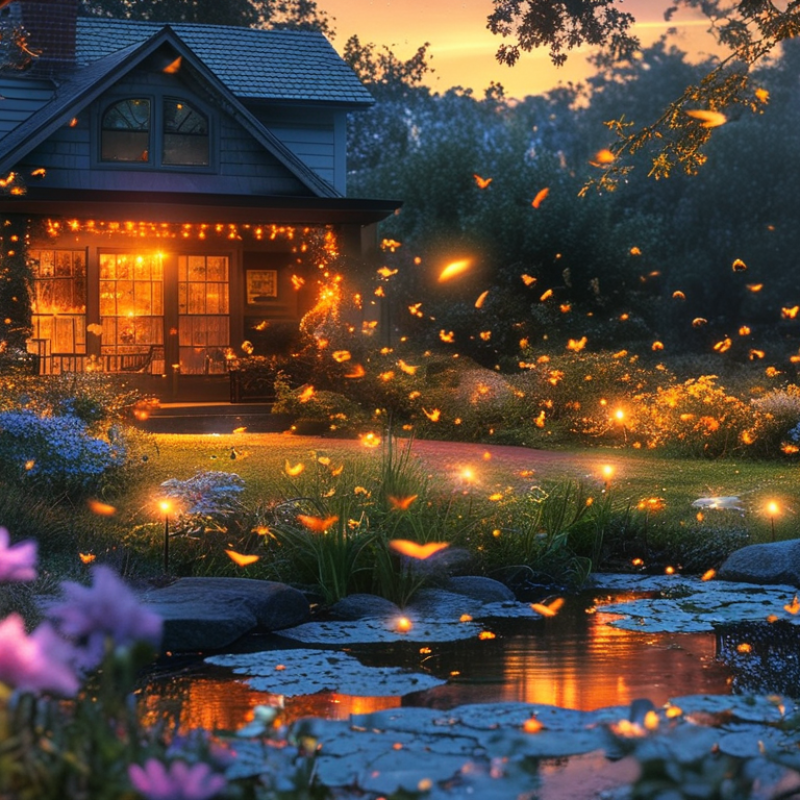
7 Best Reasons Why Outdoor LED Lights Attract Bugs?

How Outdoor LED Lights Influence Insect Behavior

Outdoor LED lights can change insect behavior in several connected ways. Many insects use natural light for navigation, so a bright lamp becomes a false landmark. Moths may circle it repeatedly, while beetles and small flies gather beneath the fixture. This response is called positive phototaxis. Not every insect reacts equally. The effect varies. Species, life stage, weather, and moonlight all matter. A warm evening can make the effect more visible.

The light spectrum is important. LEDs with strong blue or cool-white output often appear more noticeable to night-flying insects than warmer amber tones. Ultraviolet output can also attract certain species, although ordinary outdoor LEDs vary greatly. Brightness and exposure time matter too. A lamp shining across a garden may disturb more insects than a dim fixture aimed at the ground. Reflected light from pale walls can enlarge the affected area. In field observations, insects sometimes gather near a porch where the bulb itself is not the brightest object.

Heat is often blamed, but light direction may be the stronger influence. Motion sensors, shields, lower mounting, and warmer color temperatures can reduce unnecessary attraction. They do not eliminate it. Some insects still approach because the surrounding darkness makes any lamp conspicuous. This is not a perfect rule. I may be oversimplifying a complex nighttime system. Rain, wind, nearby flowers, and seasonal breeding can change the pattern within hours. Observations should be repeated across several nights before linking one LED setting to a specific insect response.

The Role of Light Color and Wavelength in Attracting Bugs

Light color strongly influences how many insects gather around an outdoor LED fixture. Many moths, mosquitoes, and other flying insects respond to short wavelengths, especially ultraviolet and blue light. These wavelengths can resemble natural sky cues or help insects navigate at night. A cool-white LED often contains more blue energy than a warm-white lamp, so it may create a brighter insect gathering point.

Warm-white LEDs usually produce less blue light, while amber or yellow light tends to be less attractive to many nocturnal insects. Not harmless to every species. Some insects still approach warm lighting, especially when the fixture is bright or placed near plants, water, or flowering areas. In practical outdoor observations, a cool lamp beside a garden can collect insects within minutes. A dimmer amber lamp may show noticeably less activity, although results change with weather and season.

Wavelength is only part of the explanation. Brightness, beam direction, operating hours, and surface temperature also affect insect behavior. A light shining upward can spread farther across the night sky and attract insects from a greater distance. Shielding the fixture and using motion controls can reduce this effect. Research generally supports warmer, longer-wavelength lighting for lower insect attraction, but the evidence is not identical for every species. That limitation matters. “Bug-resistant” is often too confident.

Why Brightness and Light Intensity Draw More Insects

Outdoor LED lights attract bugs mainly through brightness and light intensity. Many nocturnal insects use moonlight for navigation. A bright lamp creates an artificial beacon, pulling moths, beetles, and flying ants from nearby vegetation. Higher illuminance can increase this confusion, especially when the fixture shines across gardens or walls. However, brightness is not the only factor. Wavelength, operating hours, and fixture position also matter. That distinction is easy to miss.

Research supports the ecological concern. A UK field study reported 47% fewer moth caterpillars in hedgerows exposed to street lighting, compared with darker sites. The study appeared in Science Advances in 2021. Earlier insect-lighting research by Eisenbeis found stronger insect attraction under broad-spectrum mercury lighting than under low-pressure sodium lighting. The numbers vary by species and weather. So, “LEDs always attract more bugs” is too simple. Some LEDs produce less ultraviolet radiation, but intense, cool-white output can still disturb insects. CIE 150:2017 also treats light trespass and unnecessary upward light as key environmental issues.

Tips: Choose the lowest practical brightness. Use warm light near 2,200–3,000 K, and avoid excessive blue content. Aim fixtures downward and add shields around the lamp. Motion controls can shorten exposure, although they are not perfect. Keep lights away from flowering plants and standing water. Test the area after dusk; a wall glowing like a small moon usually signals over-lighting. Reflective surfaces may amplify the problem, even when the lamp itself seems modest.

How Heat, Placement, and Surrounding Areas Affect Bug Activity

7 Best Reasons Why Outdoor LED Lights Attract Bugs?

How Heat, Placement, and Surrounding Areas Affect Bug Activity

Outdoor LED lights can increase bug activity for several connected reasons. Their brightness creates a strong visual signal after sunset. Many moths and flying insects move toward specific wavelengths, especially blue and ultraviolet light. Not every insect reacts equally. Still, the light can disrupt normal night movement and feeding patterns.

Heat also changes the area around a fixture. LEDs usually produce less heat than older bulbs, but their housings and drivers may remain warm. Small insects can sense this temperature difference. Warm surfaces may offer temporary shelter on cool evenings. The effect is local.

Light placement matters. A lamp near a doorway attracts more insects into human activity. A fixture beside a wall can create a bright resting surface. Lights mounted above plants may draw insects directly toward leaves and flowers.

The surrounding area can strengthen the problem. Dense shrubs provide hiding places, while standing water supports mosquitoes and other breeding insects. Fruit scraps, outdoor bins, and sugary spills may add food nearby. Moist soil can also increase nighttime activity after rain.

I have noticed fewer bugs around shielded lights than exposed fixtures, although weather often changes the result. A lower brightness setting may help, but it is not a perfect solution. Warm-colored LEDs, downward shields, and greater distance from doors usually reduce contact. Their success depends on the site, season, and nearby habitat.

Ways to Reduce Bugs Around Outdoor LED Lights

Ways to Reduce Bugs Around Outdoor LED Lights

Outdoor LED lights do not attract every insect equally. Shorter blue wavelengths can disturb moths, flies, and other night-active insects. A 2023 study in Current Biology reported that artificial light can disrupt insect movement and resting behavior. In practical site checks, cool-white fixtures often create more visible insect activity than warm-white ones. The difference is noticeable.

Choose LEDs rated at 2,200K to 3,000K when safety allows. Warmer light contains less blue energy. The International Dark-Sky Association recommends warmer color temperatures to reduce ecological disturbance. Avoid exposed bulbs. Use fully shielded housings, so light points downward instead of into trees, windows, or the night sky. CIE 150:2017 also emphasizes controlling glare and unwanted light spill. That guidance helps insects, residents, and nearby wildlife.

Reduce operating time with timers, motion sensors, or dimming schedules. Keep sensors carefully aimed; constant triggering can leave lights running all night. Clean dusty covers, because scattered light creates a wider glowing area. Place fixtures away from doors, ponds, flowering plants, and pale walls. These surfaces can concentrate insects near entrances. Ultraviolet output is another concern, so verify the fixture’s technical sheet rather than trusting the word “LED.” This is not a perfect fix. Even warm LEDs can attract bugs when brightness is excessive, and lower color temperature cannot correct poor placement. Test one area for a week, then compare insect activity before changing every fixture.

FAQS

Which light color attracts the most insects outdoors?

Cool-white light often attracts more insects because it contains more blue energy. Warm-white, amber, and yellow lights usually attract fewer night-active insects. Not every species agrees.

Does brightness matter more than color?

Brightness strongly affects insect activity, even with warm-colored lighting. A powerful lamp can act like a small moon near gardens or walls. Dimmer is often better.

Why do blue and ultraviolet wavelengths attract insects?

Many nocturnal insects respond to shorter wavelengths during nighttime navigation. Blue or ultraviolet energy may resemble natural sky cues. The response varies by species.

Can warm lighting still attract bugs?

Yes. Warm lighting is not insect-proof. Bright fixtures near flowers, ponds, plants, or pale walls can still gather insects. Placement matters greatly.

Where should outdoor lights be positioned?

Aim fixtures downward and keep them away from doors, flowering plants, standing water, and pale walls. Avoid lighting trees or the open sky. Poor placement can cancel good color choices.

How can outdoor lighting reduce insect activity?

Choose the lowest practical brightness, preferably around 2,200K to 3,000K. Use shielded housings, timers, dimming, or motion controls. Check sensors carefully. Constant triggering wastes the benefit.

Do LED lights always attract more insects?

No. Attraction depends on wavelength, intensity, direction, operating hours, weather, and species. Some LEDs produce little ultraviolet radiation, but intense cool-white light can still disturb insects. “Always” is too simple.

How can someone test whether a light attracts bugs?

Observe the area after dusk for one week. Compare a cool lamp with a dimmer amber lamp, if possible. Look for insects near glowing walls, doors, plants, and water. The result may be imperfect, but it reveals local patterns.

Conclusion

Outdoor LED lights can attract bugs for several connected reasons. Insects often use natural light sources for navigation, so artificial lighting can confuse or redirect their movement. The question “why do outdoor led lights attract bugs” is closely related to light color, wavelength, brightness, and location. Cool white and blue-toned light is generally more noticeable to many insects, while stronger illumination can draw them from a greater distance. Even when LEDs produce less heat than traditional bulbs, warmth from fixtures or nearby surfaces may still create a comfortable area for insect activity.

Placement and the surrounding environment also matter. Lights near gardens, standing water, trees, or flowering plants are more likely to attract insects because these areas already provide food, moisture, and shelter. To reduce bug activity, use warmer-colored bulbs, lower brightness when possible, motion sensors, timers, and fully shielded fixtures that direct light downward. Keeping outdoor areas clean, removing stagnant water, and placing lights farther from doors and windows can also help limit unwanted insects.

Sophia

Sophia

Sophia is a dedicated marketing professional with an exceptional depth of knowledge about her company's products and services. With a keen understanding of market trends and customer needs, she crafts insightful blog posts that not only inform but also engage readers, enriching the company’s online......