Explore our engineering-grade solar engines, smart commercial luminaires, and architectural accent components designed to meet strict international standards.

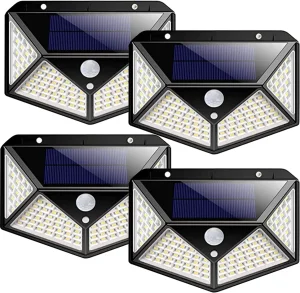
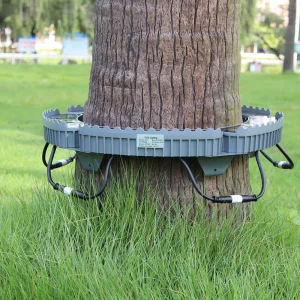
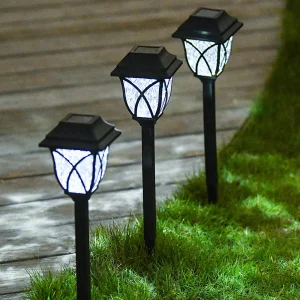
An in-depth analysis of technological breakthroughs, materials science, and energy efficiency benchmarks driving the commercial solar illumination market.
In the modern commercial lighting sector, the demand for decentralized, zero-grid architectural lighting has triggered rapid innovation in structural designs. The Solar Clip Light, once perceived primarily as a residential convenience item, has evolved into a key utility asset for global B2B procurement. Municipalities, industrial warehouses, logistical hubs, and commercial complexes are increasingly leveraging modular clamping solar luminaires to minimize installation labor costs and eliminate wiring infrastructure.
According to recent photovoltaic industry roadmaps, the integration of N-type Monocrystalline Silicon cells has pushed solar panel conversion efficiencies past the 23.5% threshold. This structural paradigm allows compact fixture footprints to harvest adequate energy even under suboptimal diffuse lighting conditions common in Northern European and North American winters. Concurrently, the transition from legacy Nickel-Cadmium chemistry to advanced Lithium Iron Phosphate (LiFePO4) batteries guarantees operational cycles exceeding 2,500 charges, maintaining high round-trip efficiency in demanding thermal environments (-20°C to +60°C).
Furthermore, the incorporation of Smart Micro-Controller Units (MCUs) running proprietary maximum power point tracking (MPPT) algorithms has optimized charge/discharge curves. Modern solar clip lights now adjust their luminous flux output dynamic range based on real-time state-of-charge (SoC) calculations, ensuring guaranteed illumination throughout long rainy spells. Industrial designers are packaging these technologies into robust, UV-stabilized polycarbonate and marine-grade anodized aluminum chassis, meeting the strict ingress protection criteria of IP65 and IP67, while maintaining mechanical impact ratings up to IK08.
Utilizing premium grade A monocrystalline silicon cells to maximize micro-current power generation in overcast, low-irradiance geographic zones.
Long-life cell configurations deliver over 5 years of maintenance-free nocturnal operations, retaining 80% original capacity after 2000+ deep discharge cycles.
Precision silicone gaskets, double-sealed junction housings, and anti-corrosive hardware built to withstand intense coastal humidity and sandstorms.
A global pioneer in designing, developing, and manufacturing high-efficiency LED indoor and outdoor lighting systems since 2010.
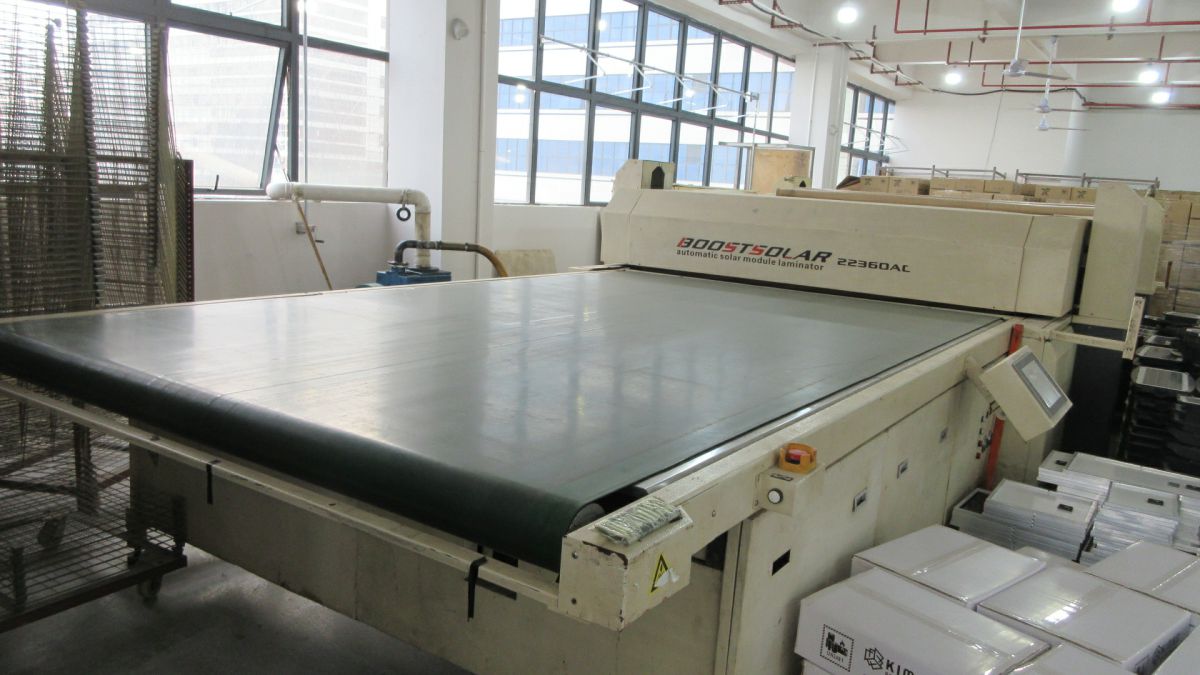
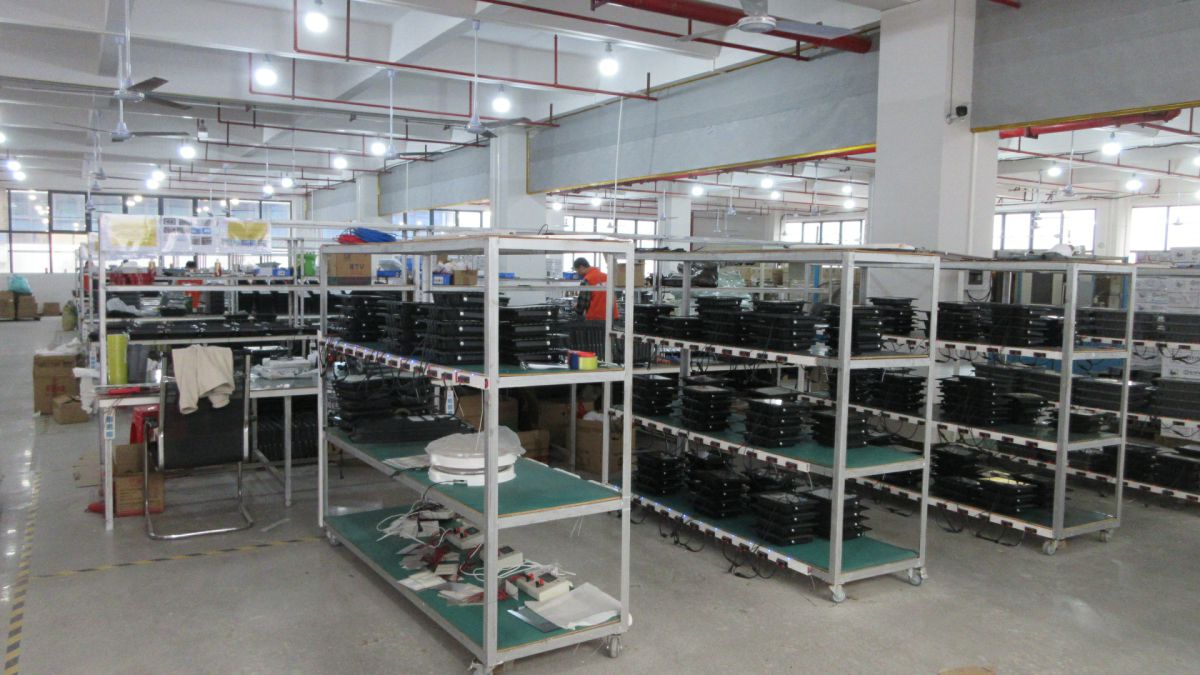
Established in 2010, Guangdong Habel Lighting Co., Ltd. has grown into an international benchmark for structural and electrical innovation in commercial LED and solar luminaires. Over the last decade, we have established robust manufacturing ecosystems integrating core design, rapid prototyping, photometric testing, and automated assembly. Our competitive advantage lies in our deep engineering capabilities and unwavering commitment to global B2B partnerships.
Equipped with a powerful, specialized R&D team, we introduce cutting-edge product catalogs annually, ensuring our client base stays at the forefront of market trends. We specialize in tailoring custom solutions for municipal bids, heavy industrial warehouses, and premium commercial retail partners, offering both OEM and ODM services backed by agile response metrics. By emphasizing sustainability, cost-effectiveness, and energy independence, Habel Lighting illuminates a greener and brighter global future.
Our departmental leadership across R&D, quality control, production, and global sales averages over 5 to 10 years of intensive specialization in solid-state and solar lighting technologies, optimizing custom architectural integrations.
We maintain a comprehensive, weather-controlled inventory of semiconductor chipsets, raw alloys, and monocrystalline cell wafers, securing rapid manufacturing lead times and insulating clients from supply chain volatility.
Directed by a QC director with 15+ years of testing experience, our facilities implement rigorous verification protocols spanning incoming materials testing, automated SMT inspection, burn-in aging, and full waterproof submersions.
We provide rapid-response customer care, acknowledging all business inquiries within 24 hours and presenting formal technical root-cause analyses or action plans within 48 hours for global operations.
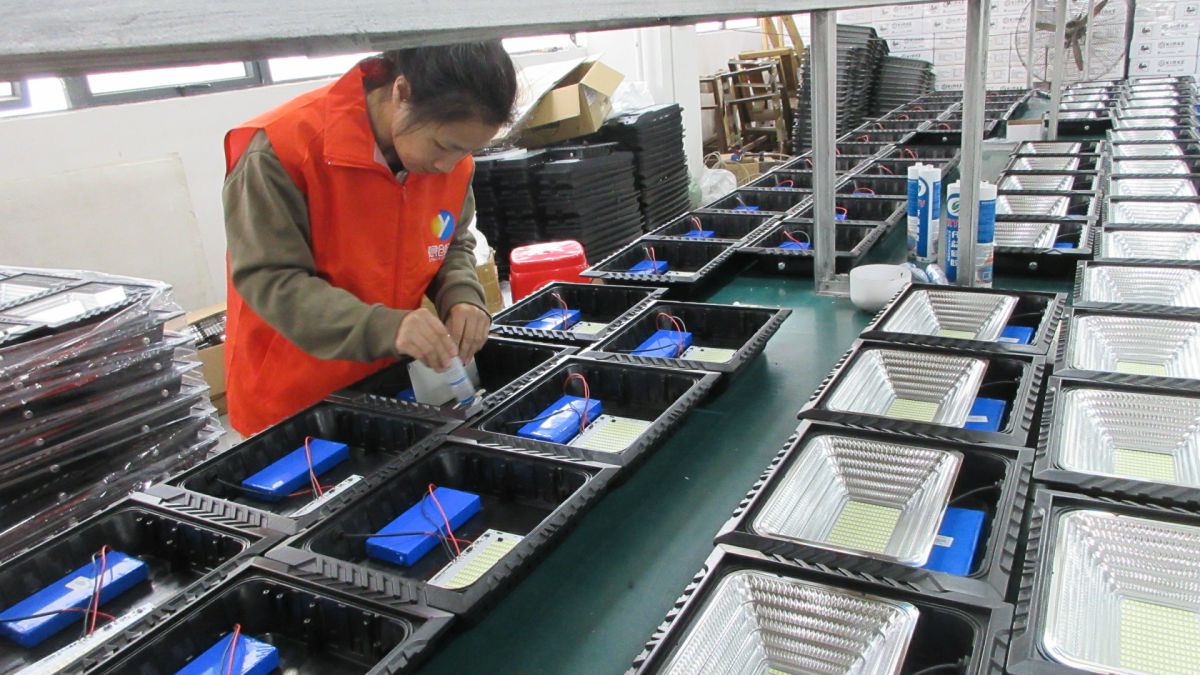
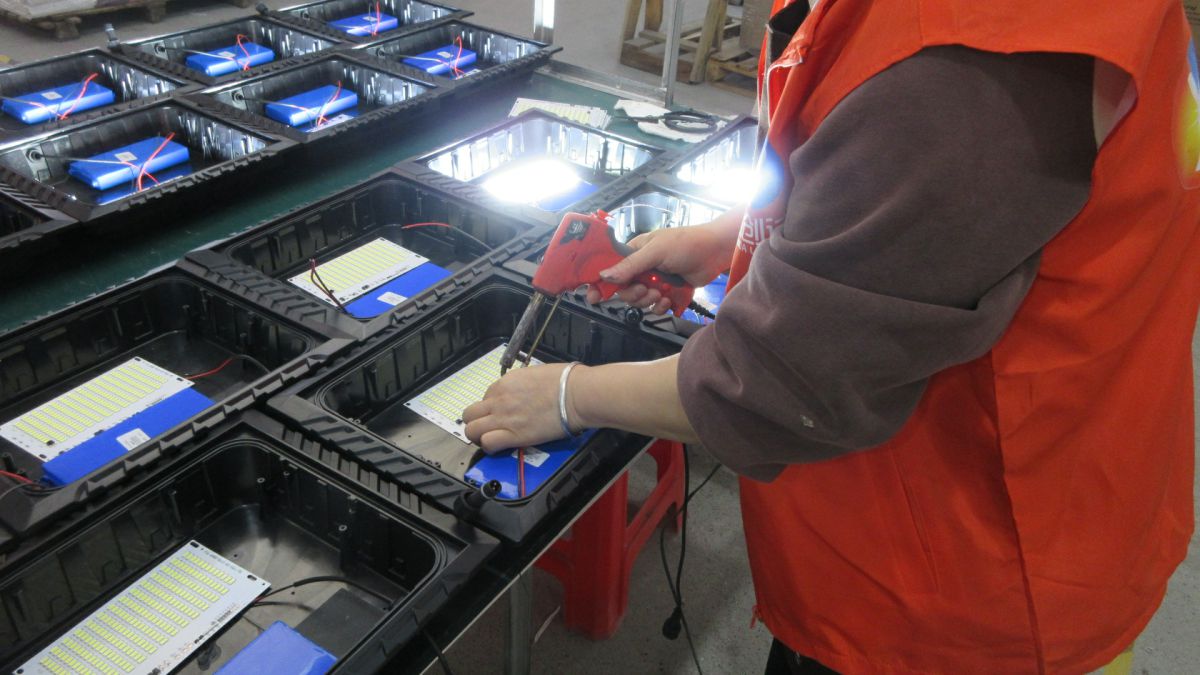
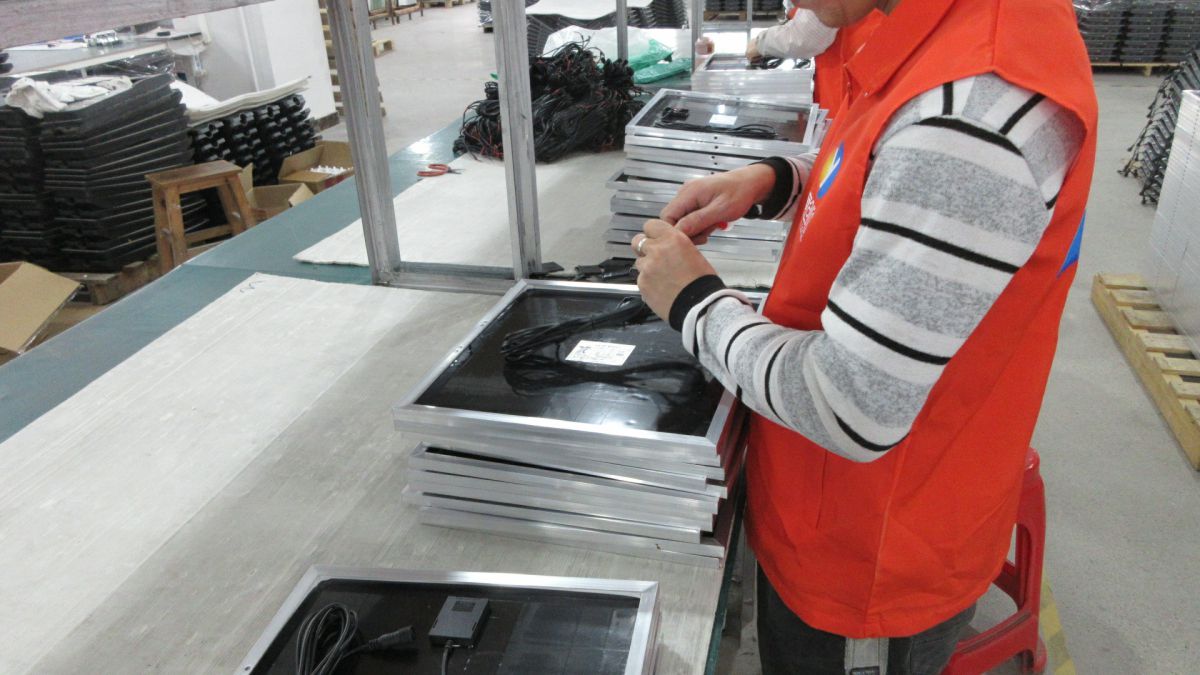
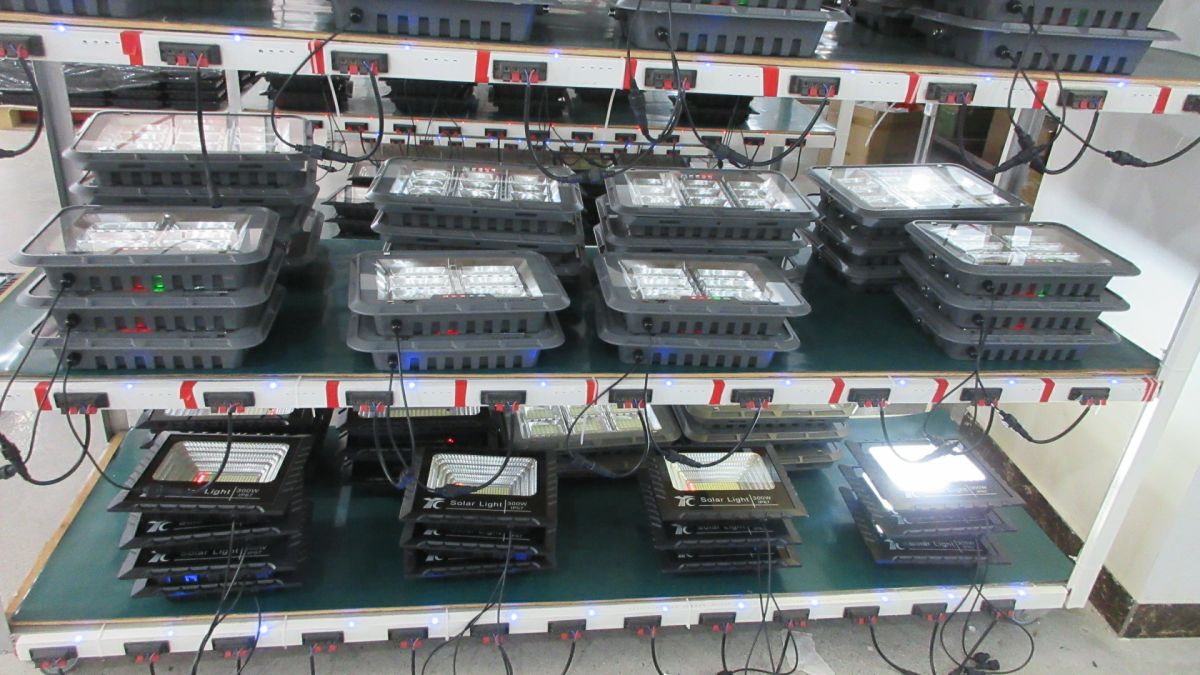
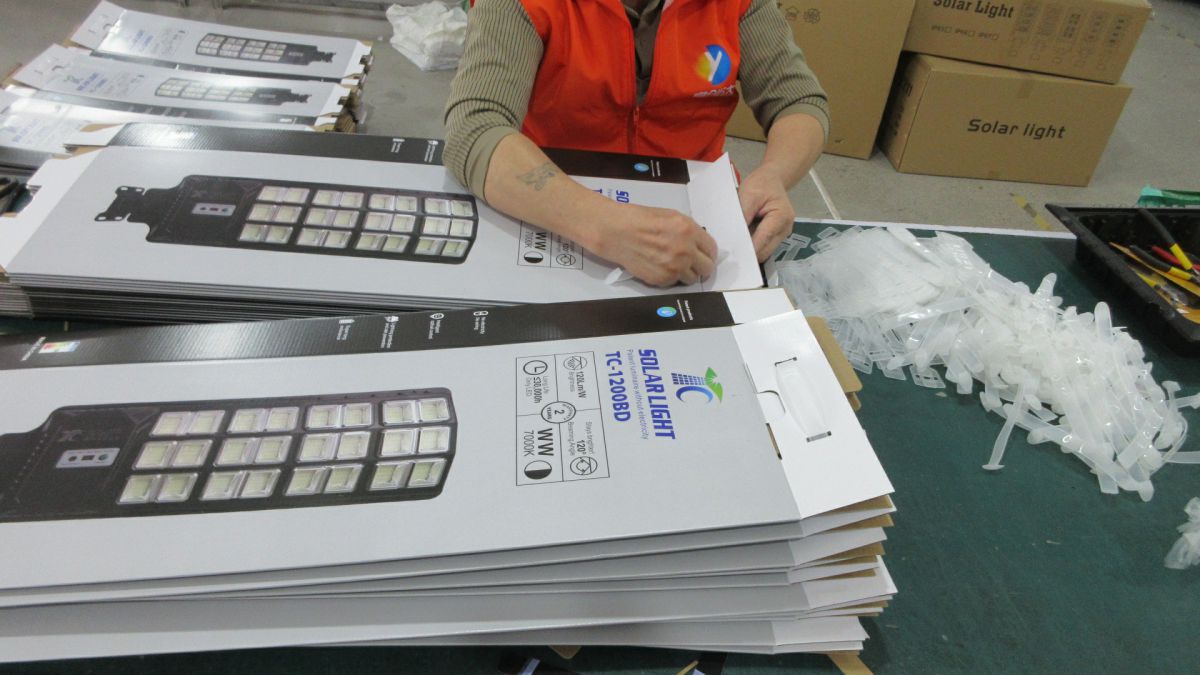
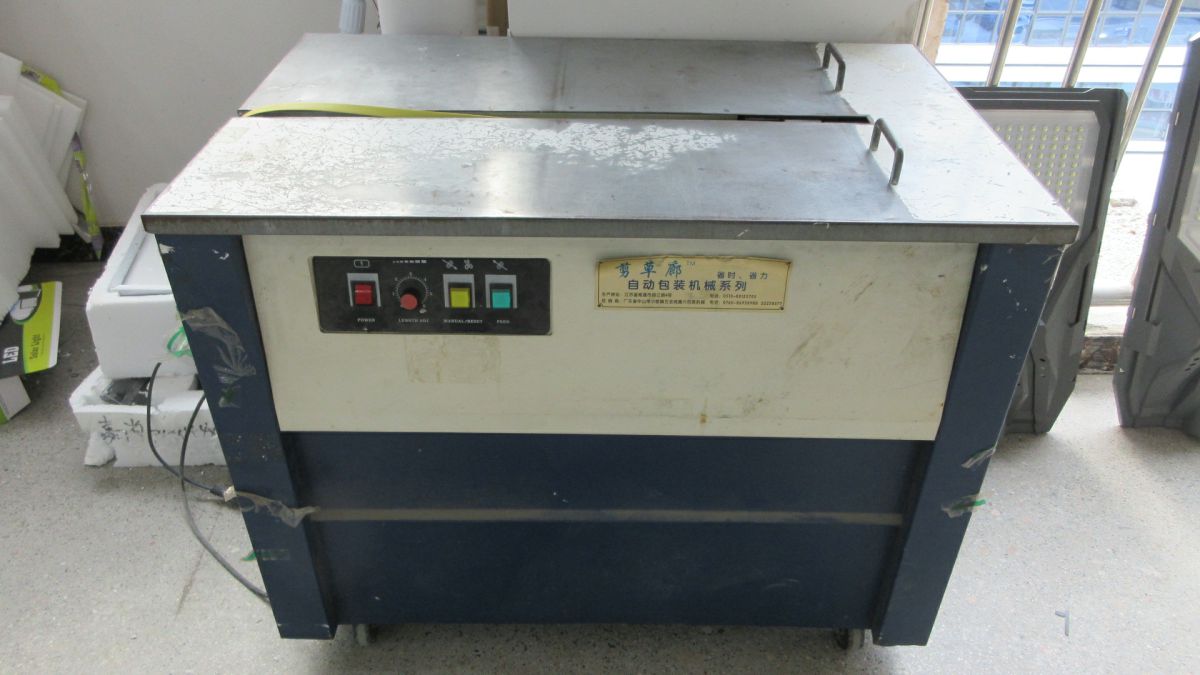
A visual documentation of our automated manufacturing lines, precision calibration apparatus, and stringent testing methodologies.
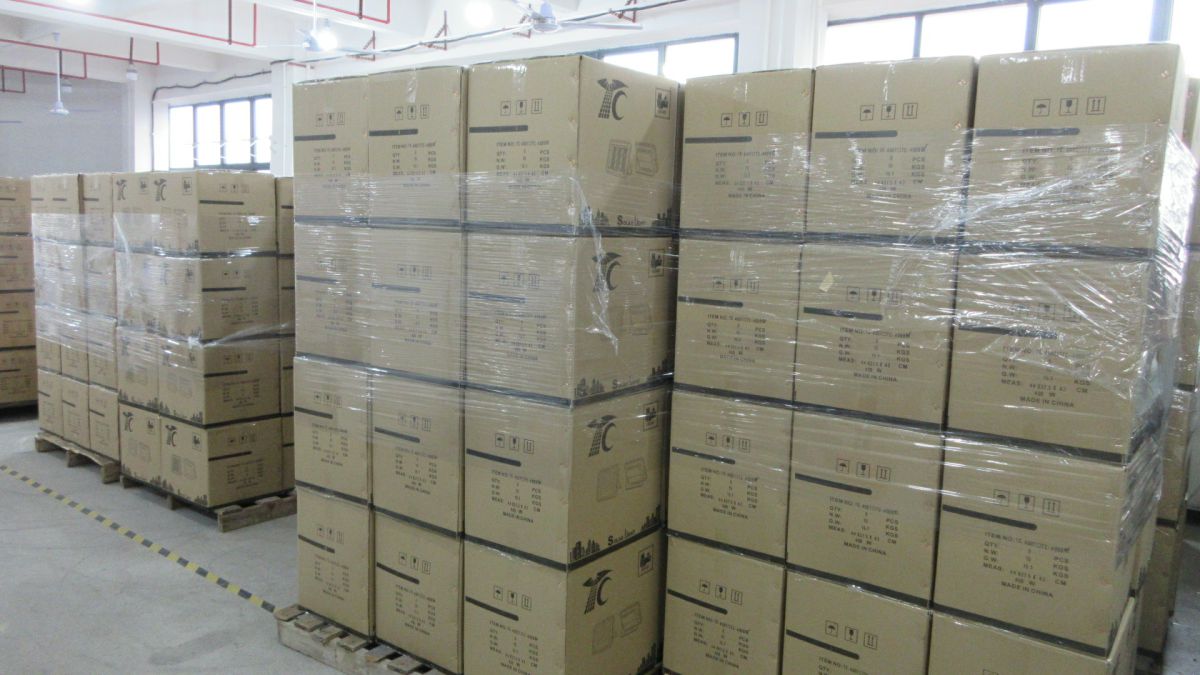
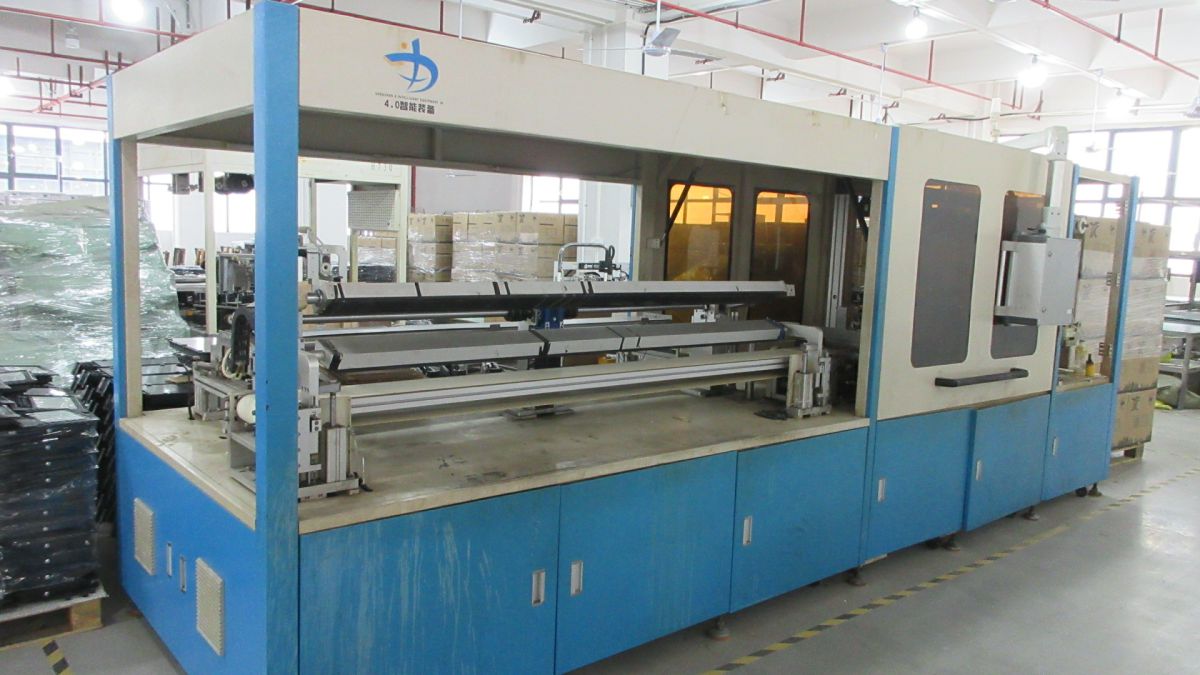
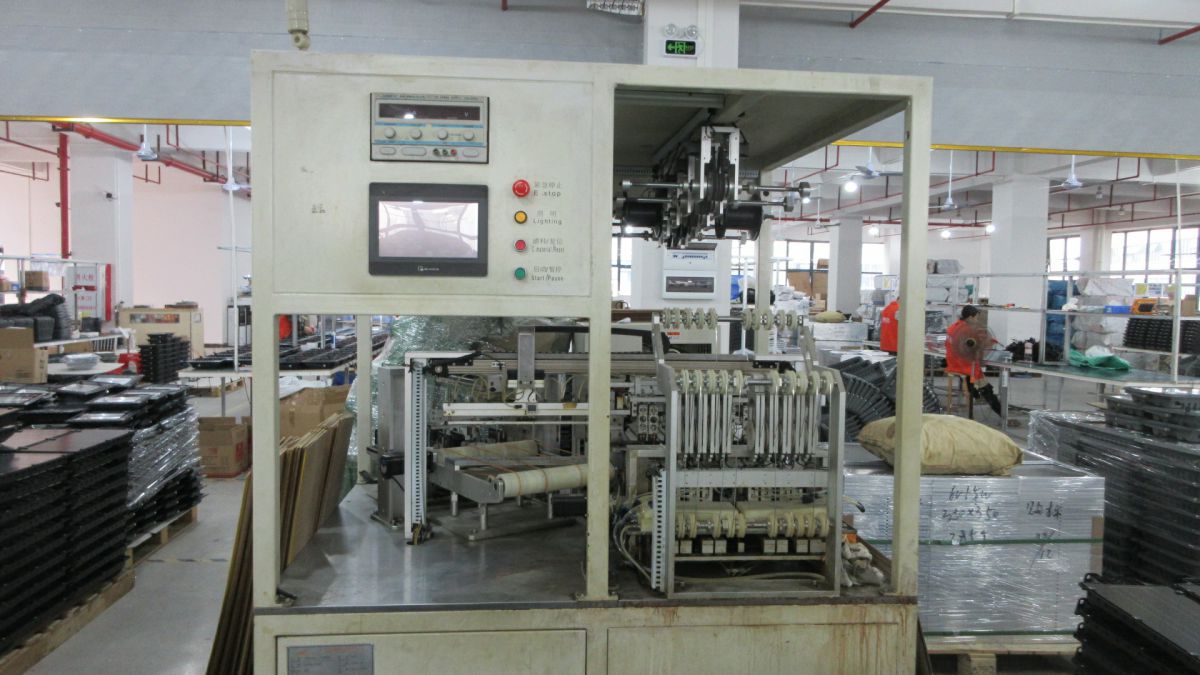
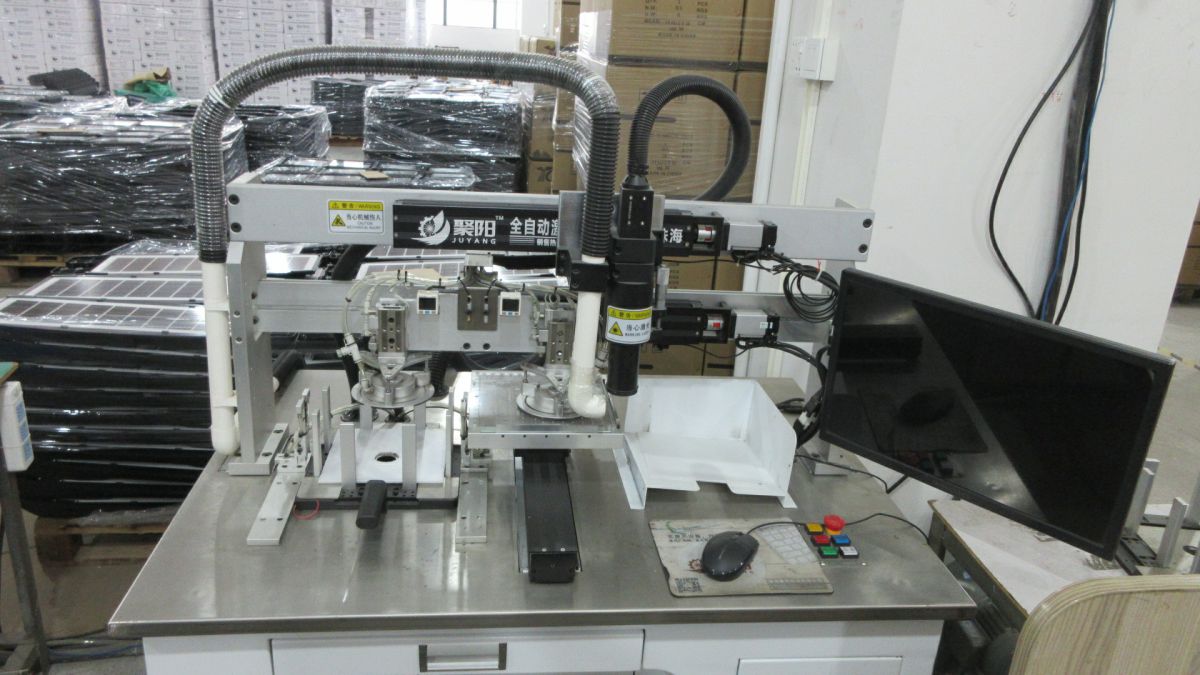
A rigorous breakdown of CE, RoHS, and LVD requirements essential for legal compliance and distribution viability in EMEA markets.
For international importers, sourcing solar-powered luminaires carries distinct regulatory liabilities. Legally exporting to European Economic Area (EEA) markets mandates uncompromised compliance with the CE Mark directives. Our solar clip lights are comprehensively certified under the relevant EU frameworks, ensuring they pass the required electrical, electromagnetic, and material safety criteria.
Key compliance channels include the Electromagnetic Compatibility (EMC) Directive 2014/30/EU, which verifies that the integrated high-frequency LED drivers and solar charge controller circuits do not emit harmful radio emissions or interfere with nearby wireless networks. Concurrently, the Low Voltage Directive (LVD) 2014/35/EU remains crucial, especially for auxiliary USB/hybrid-charging circuits and multi-cell battery packs. Even low-voltage DC products must prove structural electrical safety under LVD framework standards (such as EN 60598-2-4 for portable outdoor luminaires).
Additionally, alignment with the Restriction of Hazardous Substances (RoHS) Directive 2011/65/EU and its amendments is verified via gas chromatography-mass spectrometry (GC-MS) testing. This ensures that every solder point, plastic housing, and internal lead wire is free of toxic elements. As an exporter, we provide a complete technical file, including CE Declarations of Conformity (DoC), test reports from accredited third-party laboratories (like TUV or SGS), and Material Safety Data Sheets (MSDS) for battery transport.
Where advanced sensor arrays, wireless connectivity, and high-efficiency solid-state optics converge.
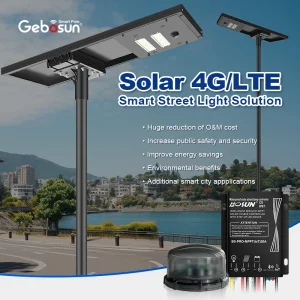
Our ongoing engineering roadmap centers on transforming passive lighting fixtures into intelligent nodes within the Internet of Things (IoT) landscape. We are currently integrating low-power communication protocols (Zigbee 3.0, LoRaWAN, and Bluetooth Mesh) directly into our flagship solar micro-controllers. This enables facility managers to track real-time power generation metrics, analyze battery health, and modify lighting profiles remotely via centralized cloud dashboards.
Furthermore, our optical laboratory is testing advanced micro-lens arrays designed to shape asymmetric light distributions. This channels the maximum possible lux output exactly where needed, reducing light pollution and optimizing battery reserves. Combined with dynamic PIR (Passive Infrared) motion sensors and ambient light sensors, these advancements enable our fixtures to operate intelligently, conserving battery life when areas are vacant.
Essential guidance for B2B supply chain managers, engineering firms, and distributors selecting solar clip lighting products.
Explore our high-output smart ceiling lamps, IoT-enabled solar lighting systems, and heavy-duty industrial luminaires.
 Habel Lighting