High-performance industrial, security, and landscape luminaires engineered to maximize ROI, efficiency, and autonomous runtime.
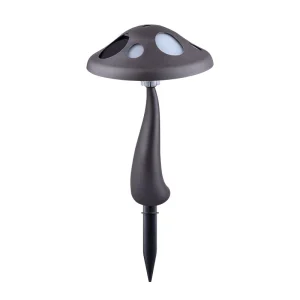

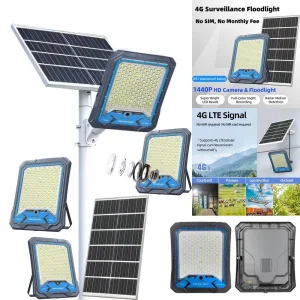

The global outdoor security lighting market is undergoing a massive paradigm shift. As corporate social responsibility (CSR) guidelines, net-zero greenhouse gas emission mandates, and rising electricity tariffs pressure global businesses, B2B procurement teams are looking beyond grid-tied solutions. Industrial-grade solar security lights are no longer viewed merely as cost-saving alternatives for remote areas; they are now primary infrastructure assets equipped with edge artificial intelligence (AI), Internet of Things (IoT) nodes, and high-efficiency photovoltaic systems.
For procurement managers and engineers, selecting a manufacturer requires auditing technical integration pathways and factory scalability. A robust solar security light must function reliably under adverse weather conditions, maintain light levels over multiple continuous overcast days (autonomy), and withstand aggressive environment stressors (UV exposure, maritime salinity, extreme thermal cycling).
Information Gain Insight: Modern solar security design is centered on "Useful Lumens" and "System Resilience." Instead of judging a system purely on nominal LED wattage, engineers evaluate the system's Luminous Efficacy (lm/W), Photovoltaic Conversion Efficiency, and the Intelligent Energy Management System's (EMS) ability to adjust performance profiles based on state-of-charge (SoC) metrics.
To assist procurement divisions in future-proofing their investment portfolios, the following technical vectors represent the consensus roadmap of top-tier global manufacturers:
Furthermore, modern optical design uses specialized PMMA (polymethyl methacrylate) lenses that offer asymmetric beam patterns (Type II, III, or IV distribution patterns). This focuses light exactly where it is needed—along paths and perimeter fences—preventing wasted upward illumination (conforming to Dark Sky compliance) and maximizing the lux levels achieved per unit of energy.
The global solar security light sector is split between specialized OEM/ODM partners, systems integrators, and consumer-grade suppliers. The top ten global manufacturers and suppliers include:
For sourcing directors, choosing the right partner involves matching project demands with the supplier's manufacturing capabilities. Selecting a high-capacity OEM/ODM manufacturer like Guangdong Habel Lighting allows project developers to optimize design specs, reduce unit costs, and secure long-term component warranties.
Established in 2010, Guangdong Habel Lighting Co., Ltd. is a leading manufacturer and exporter specializing in the design, development, and production of premium LED indoor and outdoor lighting solutions. Built on a foundation of continuous innovation, strict quality control, and customer-focused services, the company has established a robust market presence in the global lighting sector.
Our leadership team across R&D, quality control, production, and sales departments each has over 5–10 years of experience in the LED lighting industry. This depth of expertise enables us to respond quickly with professional, effective lighting solutions tailored to diverse market requirements.
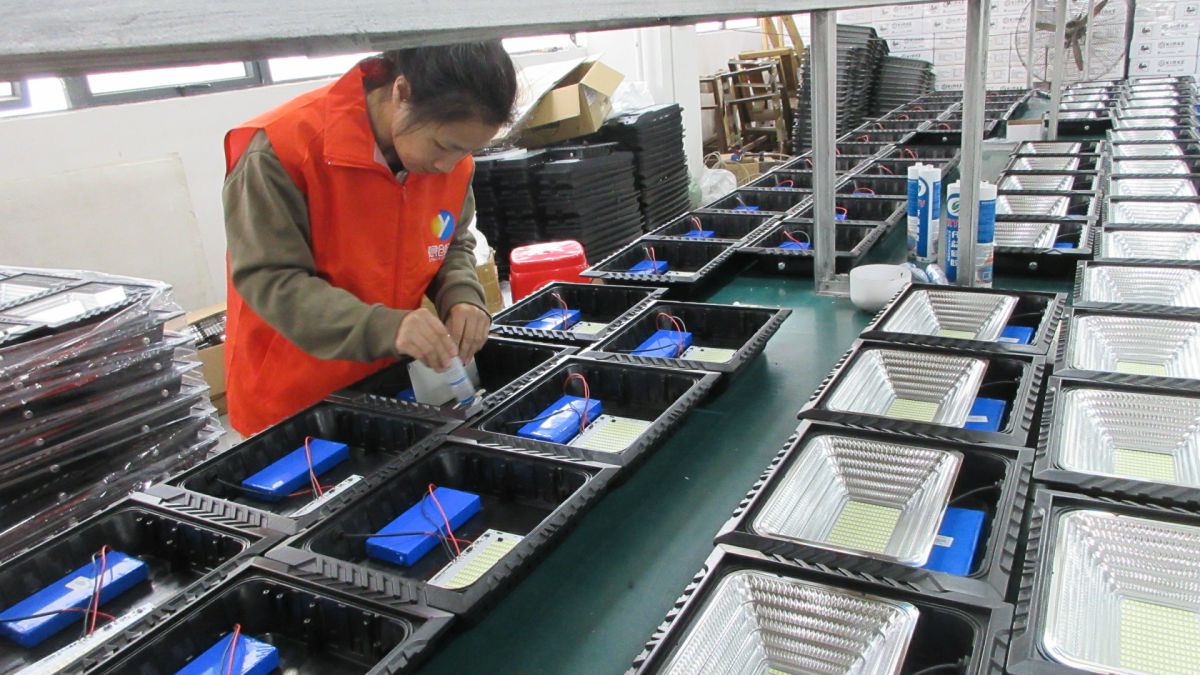
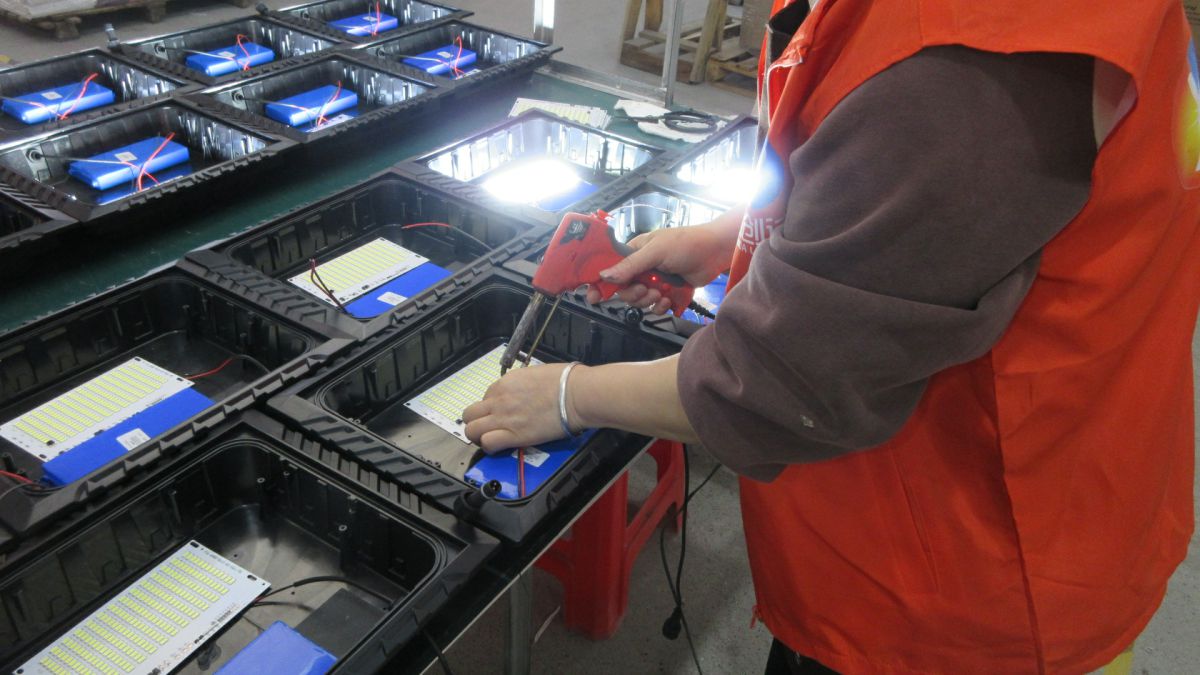
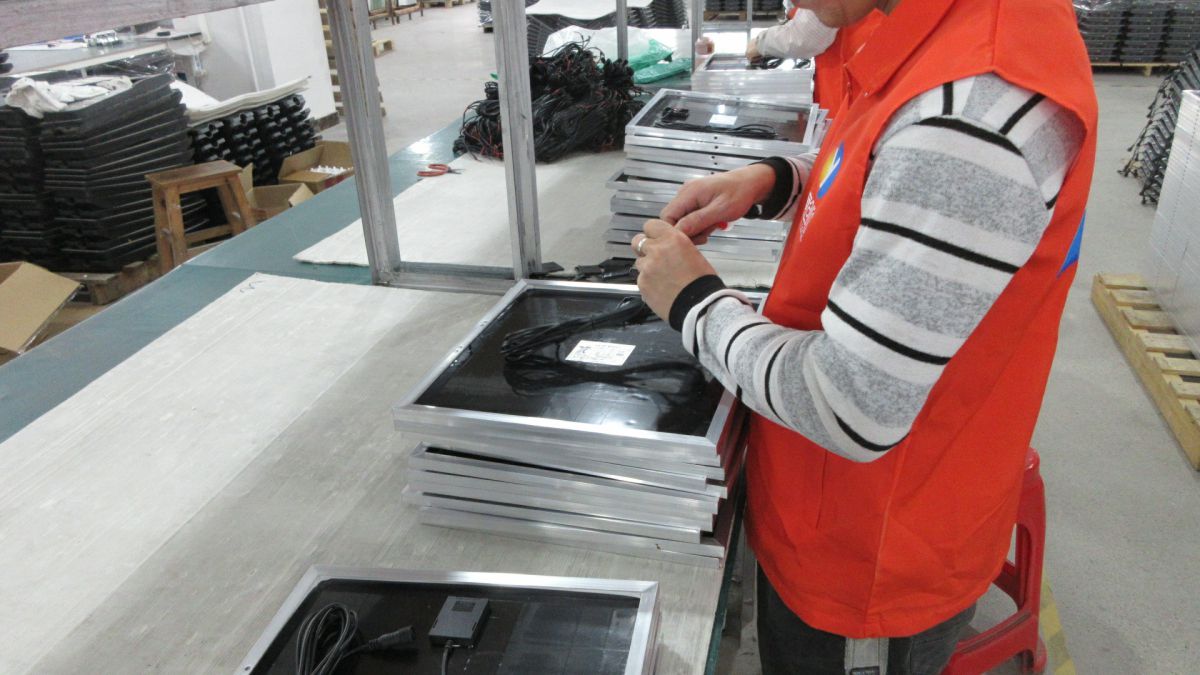
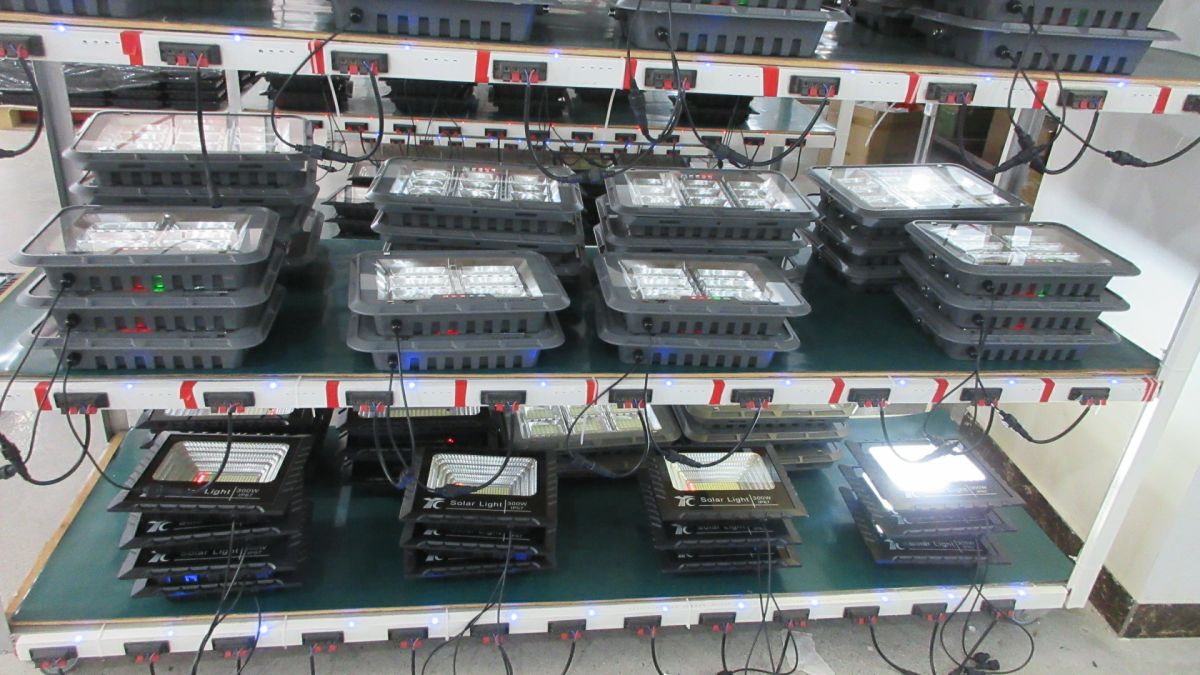
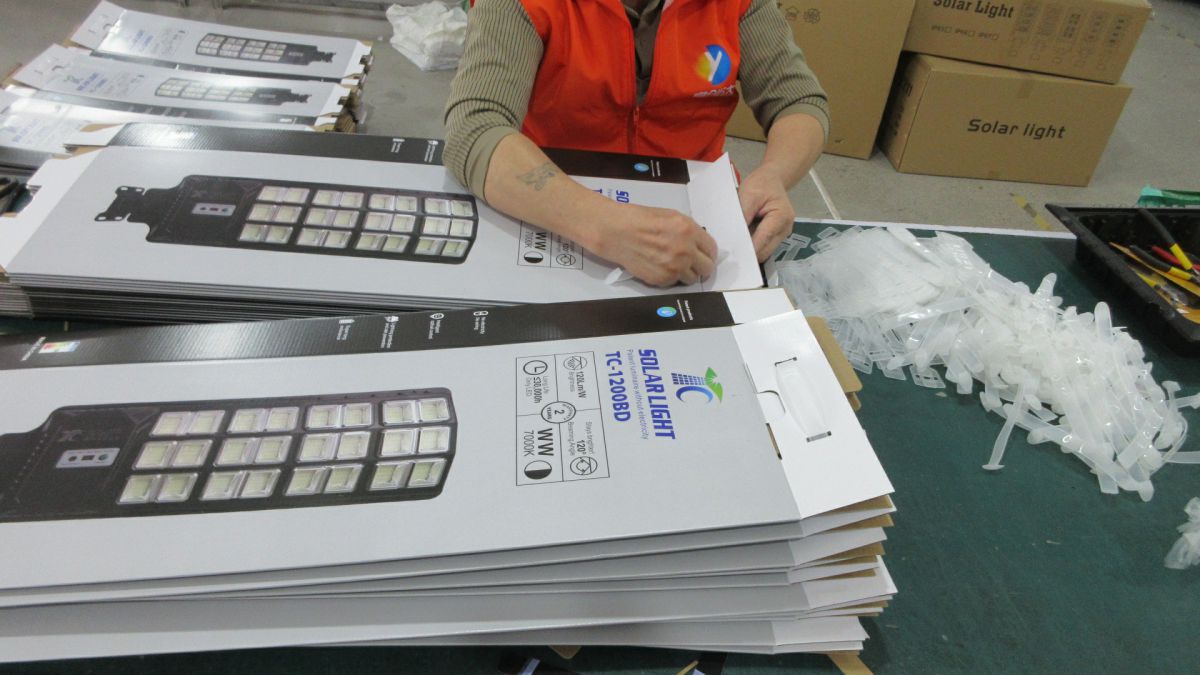
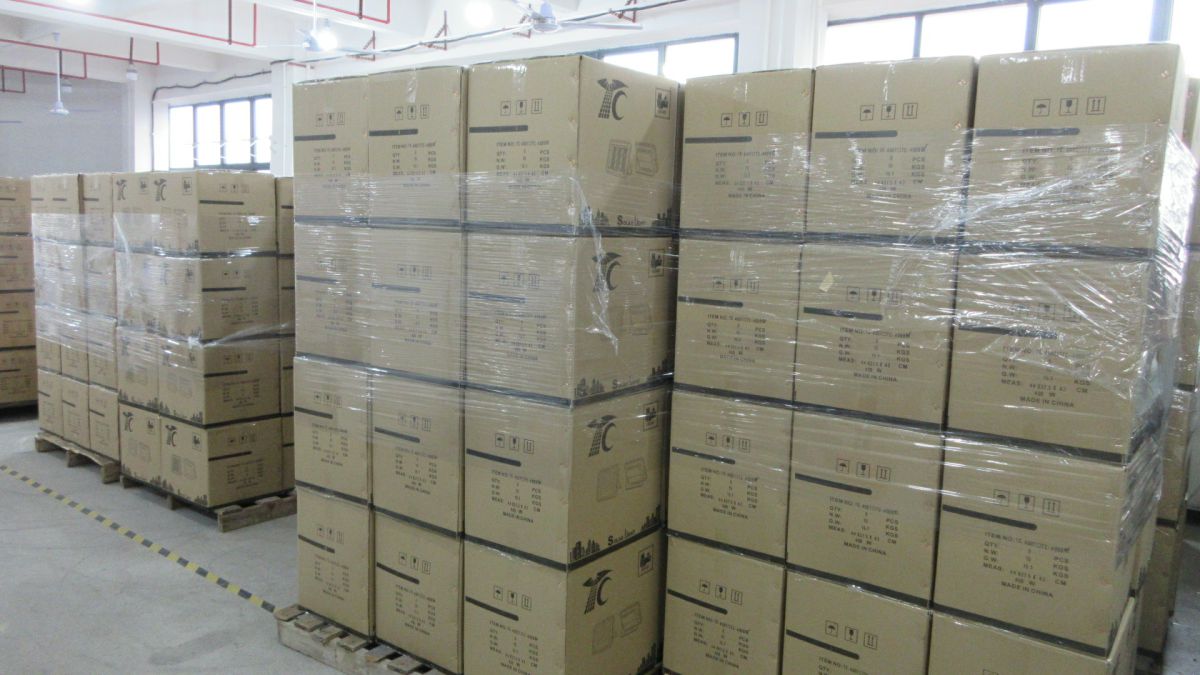
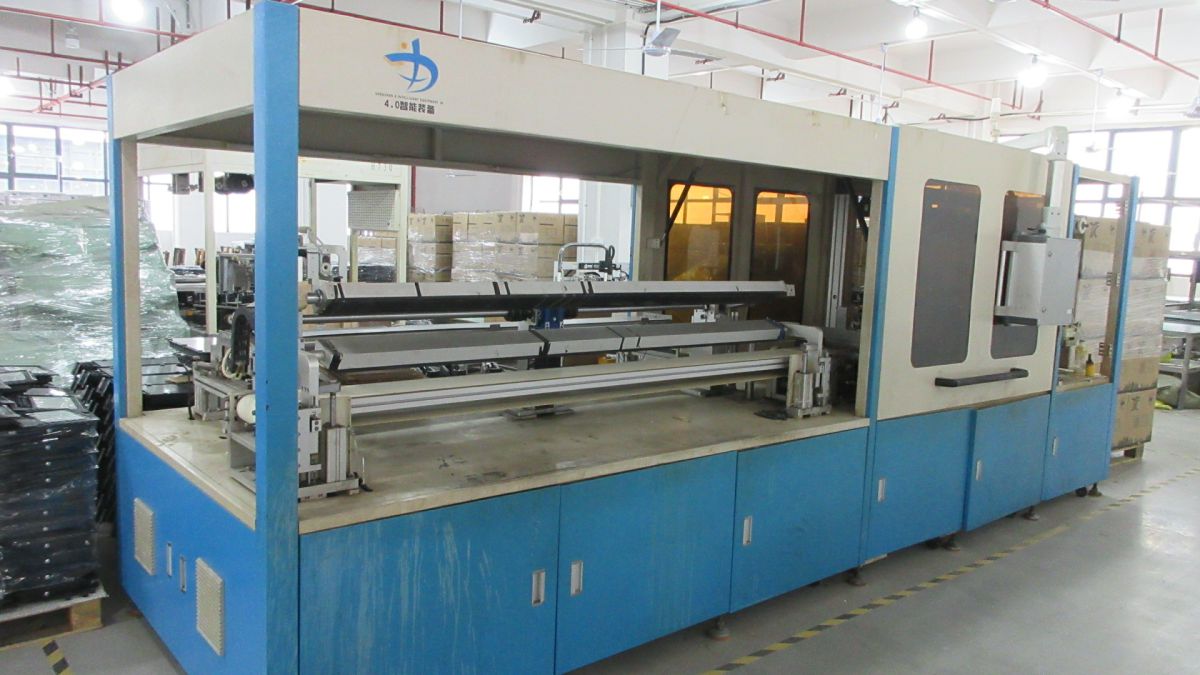
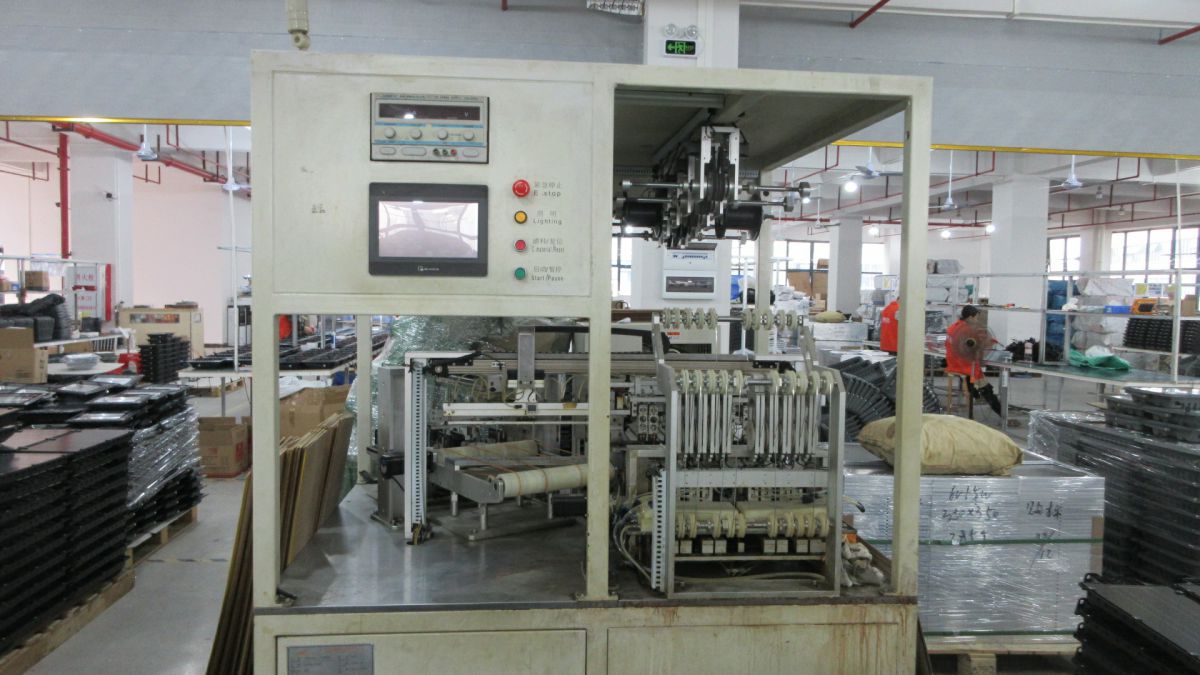
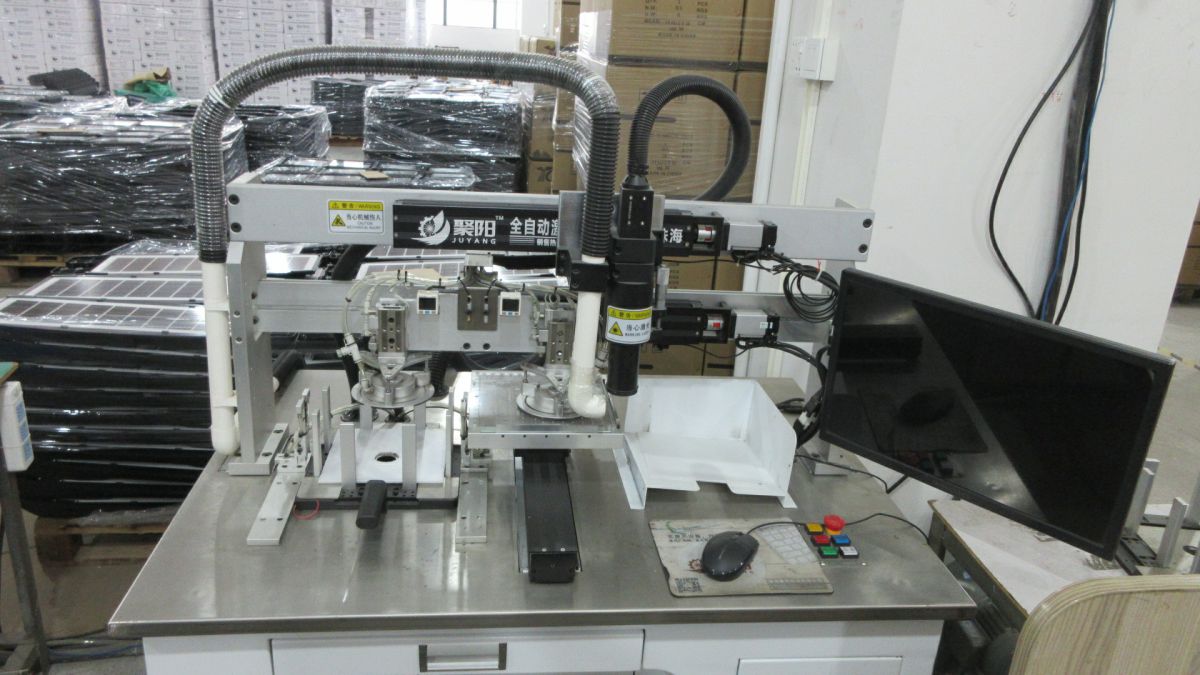
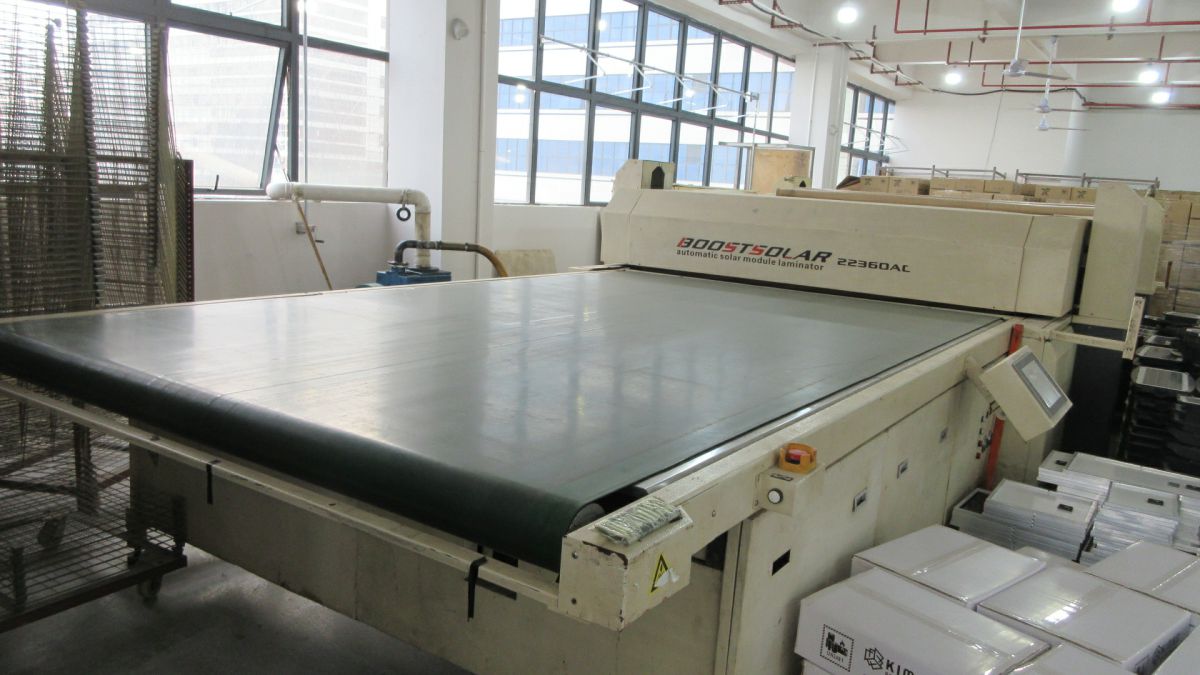
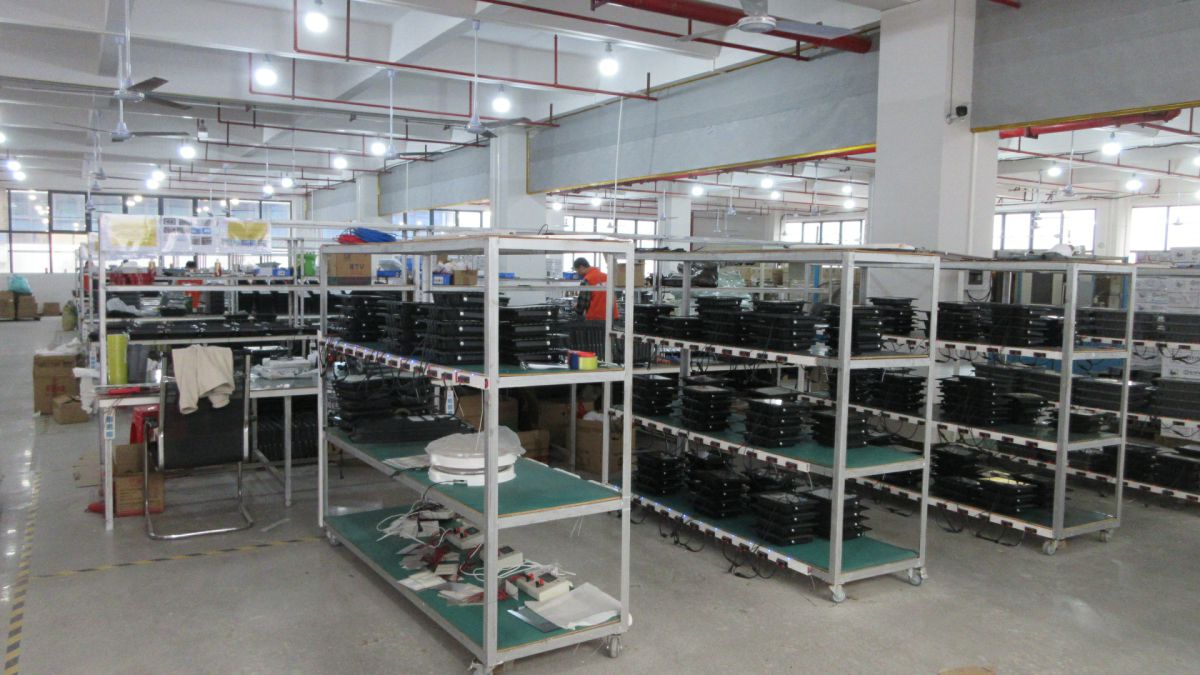
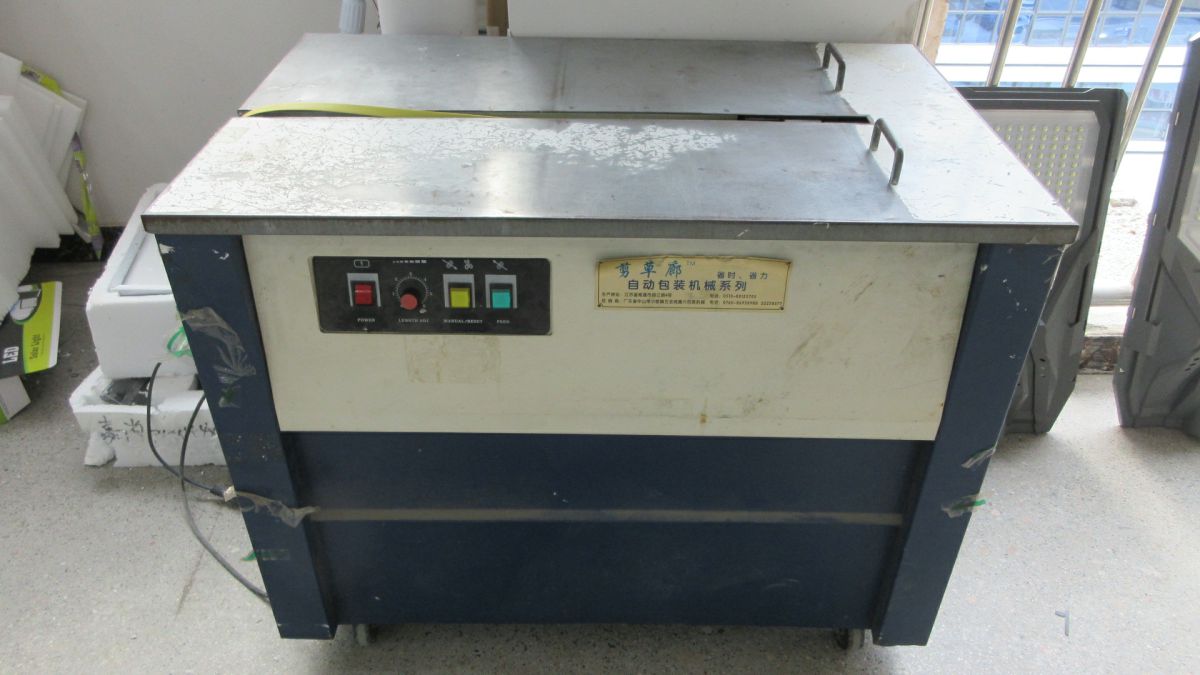
Our production processes integrate modern automation tools and equipment. This maintains product consistency, minimizes assembly defects, and optimizes mechanical durability. Below are real photos detailing our step-by-step manufacturing and assembly process:
Solar security lighting is used in a variety of industries. Deploying these units effectively requires optimizing the hardware layout for the specific environment:
These environments are exposed to corrosive salt spray, high humidity, and strong winds. Standard security fixtures can degrade quickly here. Procurement specifications must mandate:
• C5-M high-durability anti-corrosion coatings.
• Salt-spray tested housings (minimum 1000 hours under ASTM B117 standards).
• IP66/IP67 waterproof sealing and 316 stainless steel installation hardware.
Large logistics hubs require high-lumen illumination and active perimeter monitoring. These installations benefit from solar-powered, high-definition camera floodlights. By combining a 4-megapixel camera with microwave motion sensors, the luminaire operates in a dim state, conserving power, and brightens instantly upon detecting motion. It also streams real-time H.265 video footage to the facility's security room.
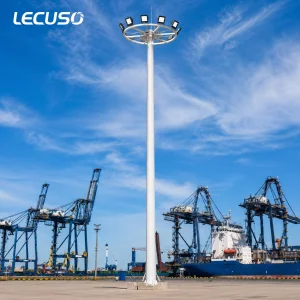
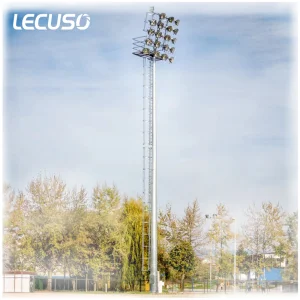
Large sites require elevated light sources (15m to 30m high mast configurations) to distribute illumination evenly. Combining high-mast structures with solar engines demands high structural engineering precision. High-mast systems require high-capacity monocrystalline solar panels, balanced mechanical brackets to handle wind load stresses, and high-efficiency LED modules to project target lux levels down to ground surfaces.
When reviewing bids from manufacturers, engineering procurement managers should use this structured technical checklist:
| Technical Metric | Industrial Requirement | Strategic Value for Buyers |
|---|---|---|
| Photovoltaic Conversion | ≥ 22.0% (N-type / Mono-Si) | Faster battery recovery under overcast skies. |
| Battery Chemistry | LiFePO4 (>3000 cycles @ 80% DoD) | 8 to 10 year lifespan; reduces operational maintenance. |
| Luminous Efficacy | ≥ 170 lm/W (LM80 tested LEDs) | Maximizes light output while minimizing battery draw. |
| Ingress & Mechanical | Min IP66, IK08 Impact Protection | Withstands heavy dust, torrential rain, and vandalism. |
| Telemetry & Control | MPPT with IoT Smart Dimming Profile | Maintains critical function even during extended cloud cover. |
Clear, technical answers to common B2B procurement and integration questions.
Engineered options built to deliver reliable performance, off-grid autonomy, and longevity across global markets.

 Habel Lighting