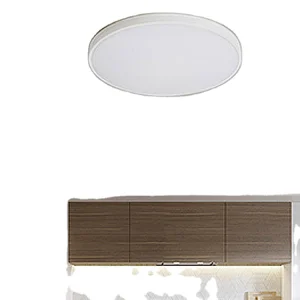
High-efficacy, IP-rated specifications engineered for demanding global architectural applications.
Decarbonization, Smart Urbanism, and the Evolution of Architectural Optics
The global outdoor architectural and landscape lighting sector is undergoing a rapid, structural transformation. Valued at over USD 8.5 billion and projected to grow at a compound annual growth rate (CAGR) exceeding 7.4% through 2030, this market is no longer driven merely by aesthetic considerations. Modern B2B procurement is heavily dictated by municipal decarbonization mandates, the integration of smart-city control protocols (such as DALI-2, Casambi, and LoRaWAN), and rigorous environmental standards designed to combat light pollution (Dark Sky compliance).
In this global landscape, China stands as the primary manufacturing and engineering epicentre, accounting for more than 75% of global LED output. However, the paradigm of the "China LED factory" has changed. Cheap, uncertified assembly operations are rapidly closing, replaced by highly capitalized, automated, and technologically advanced manufacturing plants. Top-tier Chinese OEM/ODM factories now invest heavily in optical research, thermodynamic simulation, and precision silicone co-extrusion technology to deliver long-term durability in extreme marine, desert, and municipal environments.
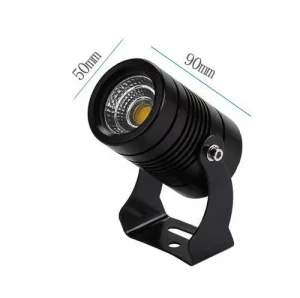
The shift from 120V/230V line voltage to safe 12V/24V DC systems has drastically minimized installation hazards and code compliance hurdles. Low-voltage landscape spotlights allow flexible wiring topologies, reducing copper usage and streamlining site labor costs.
Specifiers now demand strict color fidelity (CRI >90, $R_f$ >90, $R_g$ >100) and tight color consistency (under 3-Step MacAdam Ellipses). Precise beam distribution options—from 5° ultra-narrow spot beams to asymmetric flood distributions—are vital for minimizing glare and skyglow.
Unlike indoor luminaires, outdoor spotlights experience daily thermal expansion cycles, high UV exposure, and moisture ingress. Leading factories utilize marine-grade, die-cast aluminum alloys (such as ADC12) treated with multi-layer powder coatings to survive ASTM B117 salt spray testing for up to 1,000 hours.
Established in 2010, Guangdong Habel Lighting Co., Ltd. is an industry-leading manufacturer and exporter specializing in the design, engineering, and mass production of advanced LED indoor lighting systems and robust LED outdoor lighting solutions. Over the course of nearly 15 years, our brand has established a stellar reputation in the global solid-state lighting (SSL) industry, characterized by continuous technical innovation, rigid quality assurance parameters, and specialized B2B customer support.
Through our dedication to research and development, we have built a powerful, multi-disciplinary R&D engineering team. This team introduces dozens of innovative, proprietary lighting products to the global market annually, ensuring our commercial clients, distributors, and ESCOs (Energy Service Companies) maintain access to the cutting-edge of LED efficacy, optical design, and structural thermal management.
As an international OEM/ODM manufacturing partner, Guangdong Habel Lighting Co., Ltd. is committed to helping global brands achieve their carbon reduction goals, municipal lighting compliance, and project budget targets. We build reliable, long-term partnerships that illuminate a greener, more sustainable future.
Why Industrial Specifiers and Global Brands Choose Our OEM/ODM Ecosystem
Our leadership across R&D, quality control, production, and sales departments possesses over 5 to 10 years of experience in the LED lighting industry. This enables us to design, prototype, and manufacture custom solutions for complex civil projects rapidly.
We maintain strategic buffer stocks of core optoelectronic components, including raw LEDs, drivers, thermal pads, and metal castings. This minimizes lead time volatility and protects projects from global shipping delays.
Our QA and QC systems are run by an industry veteran with over 15 years of lighting inspection experience. We implement standard protocols including SMT optical inspection, IPX6/IPX7 waterproof testing, and high-temperature operating life tests.
Our global help desk responds to inquiries and potential claims within 24 hours, and works to provide a complete engineering root-cause analysis and corrective solutions within 48 hours to ensure zero downtime.
We continuously invest in smart lighting controls, dynamic color rendering, and alternative energy integrations. Our R&D pipeline ensures we stay compliant with changing regional standards in North America, Europe, and the APAC region.
Inside Our State-of-the-Art Production Facility in Guangdong, China
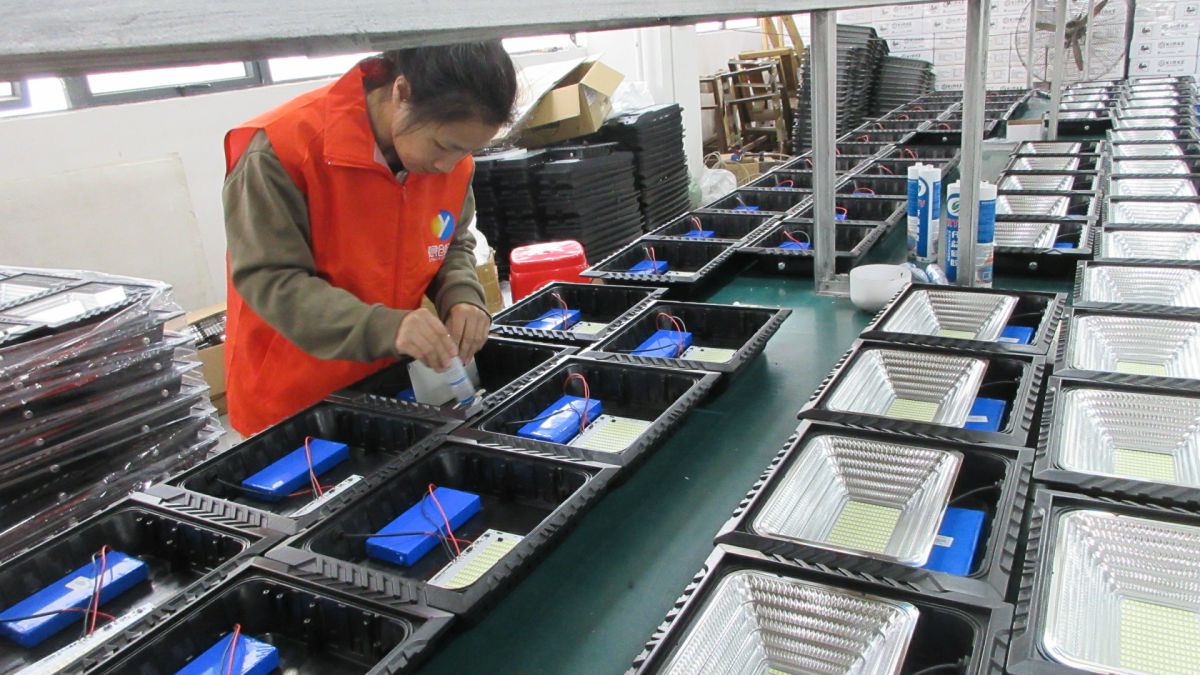
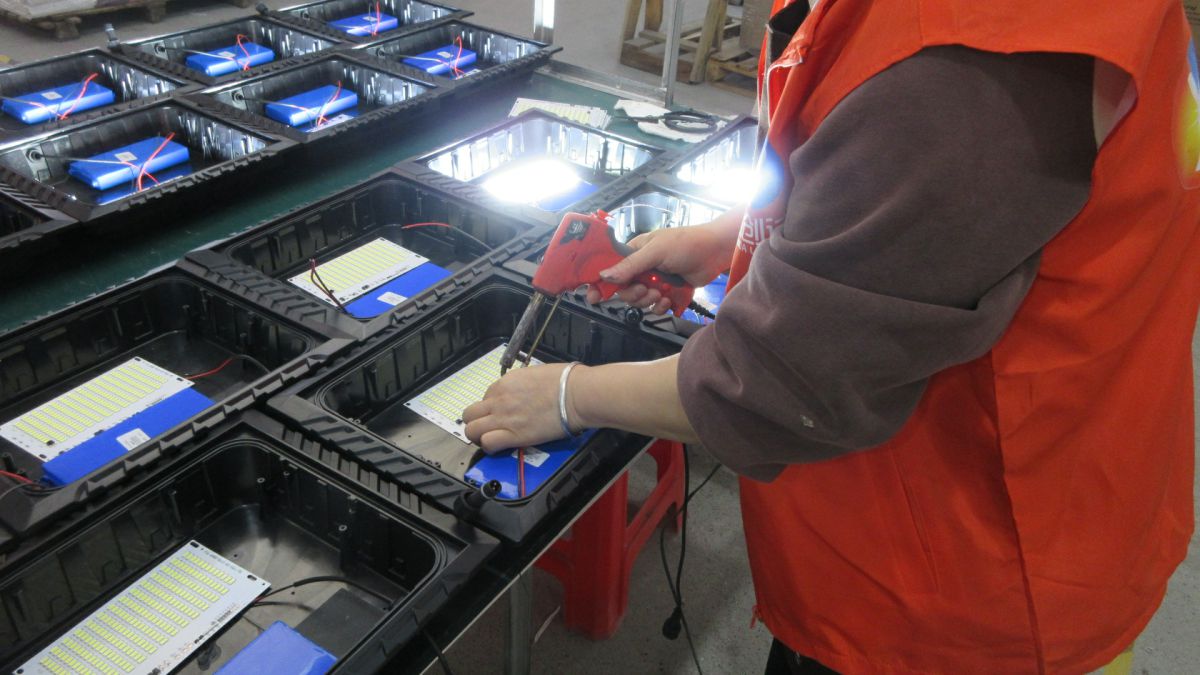
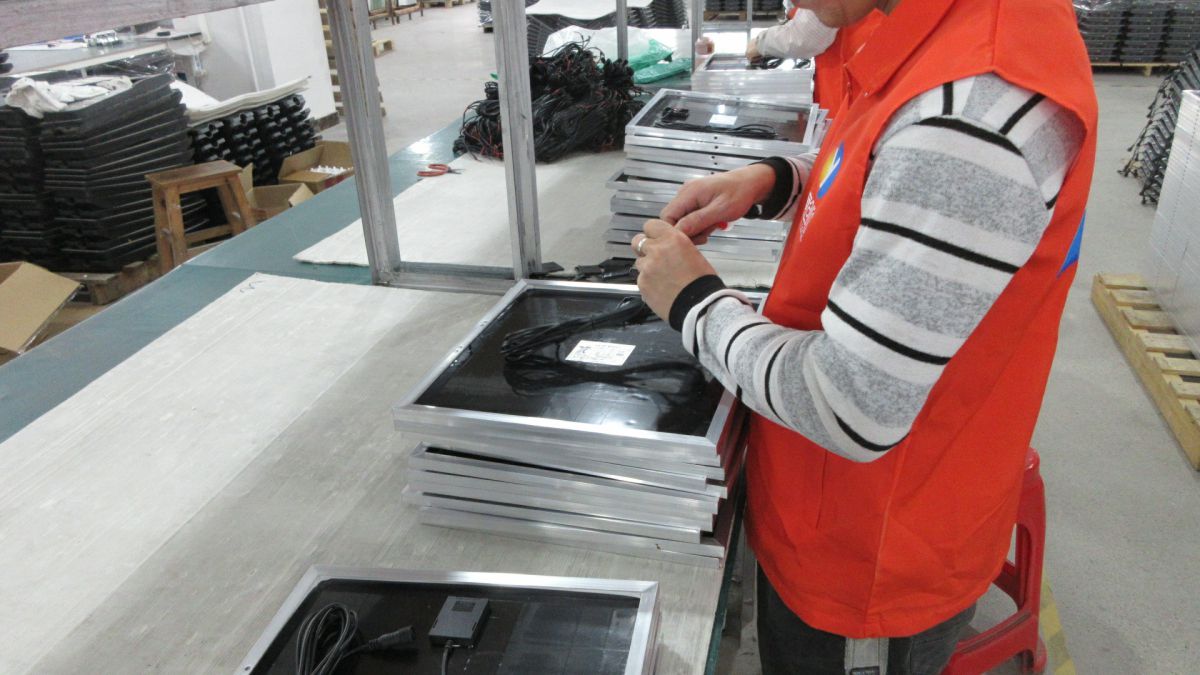
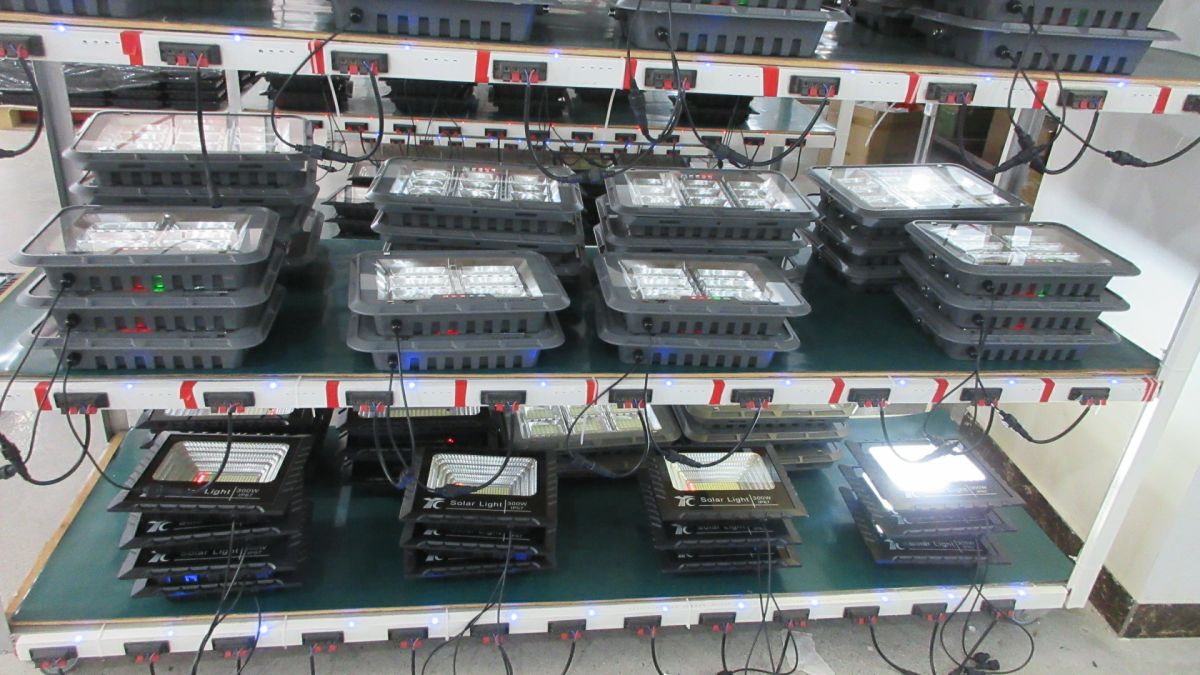
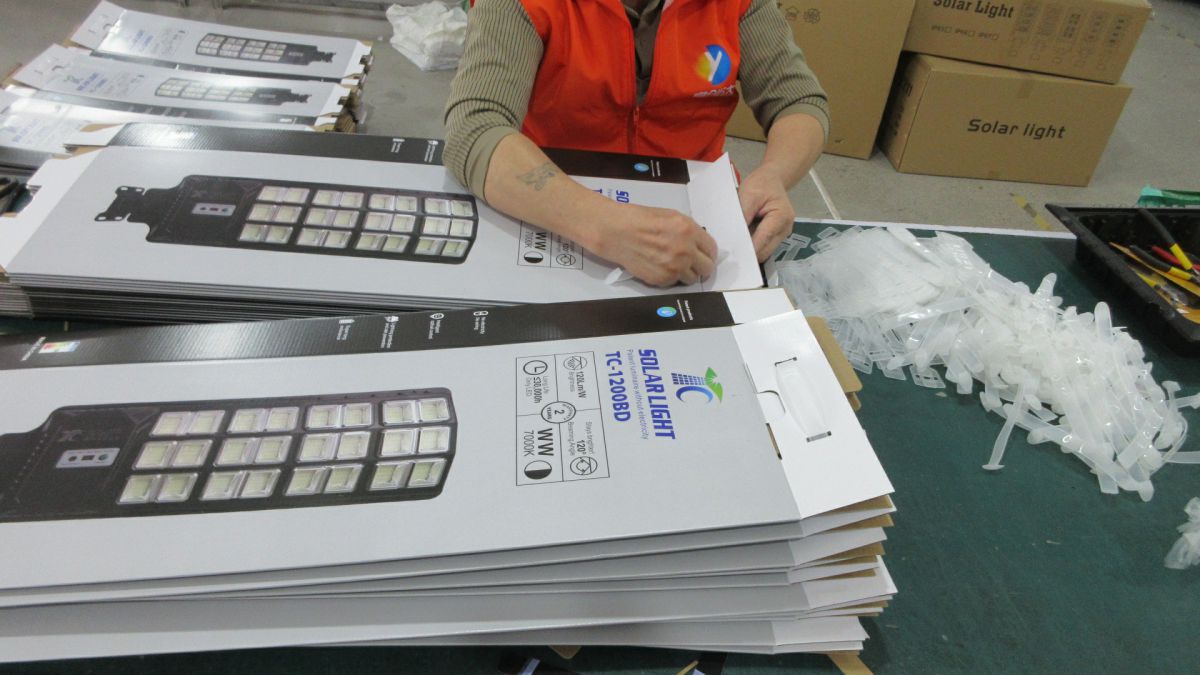
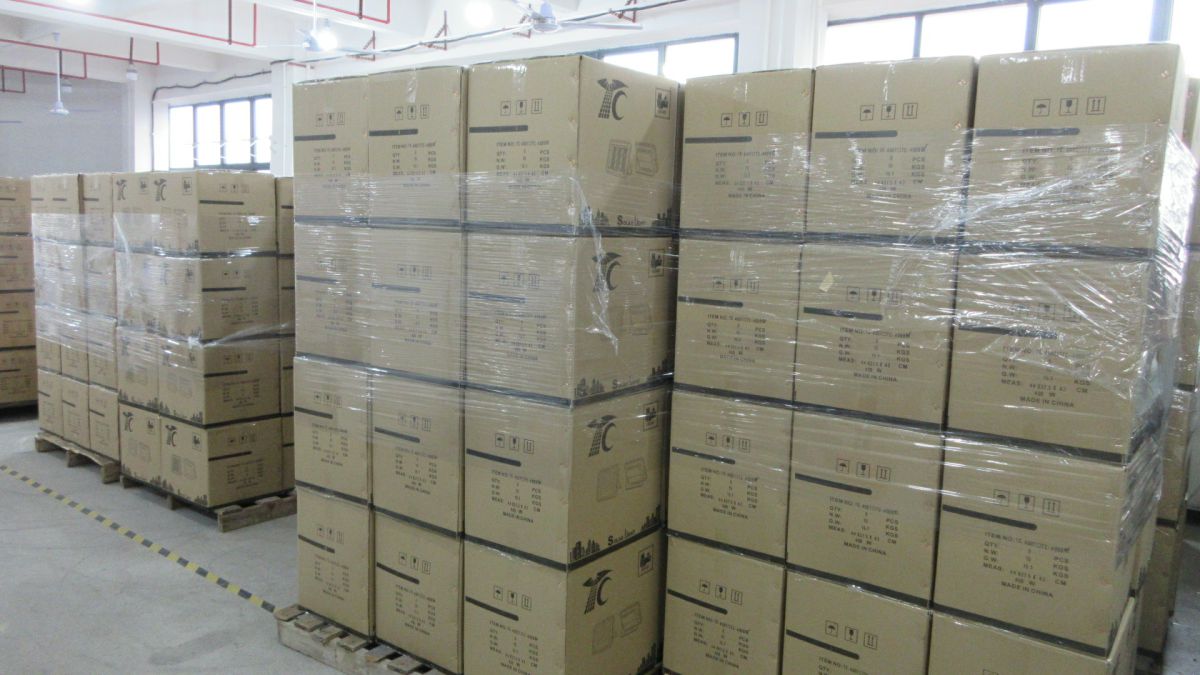
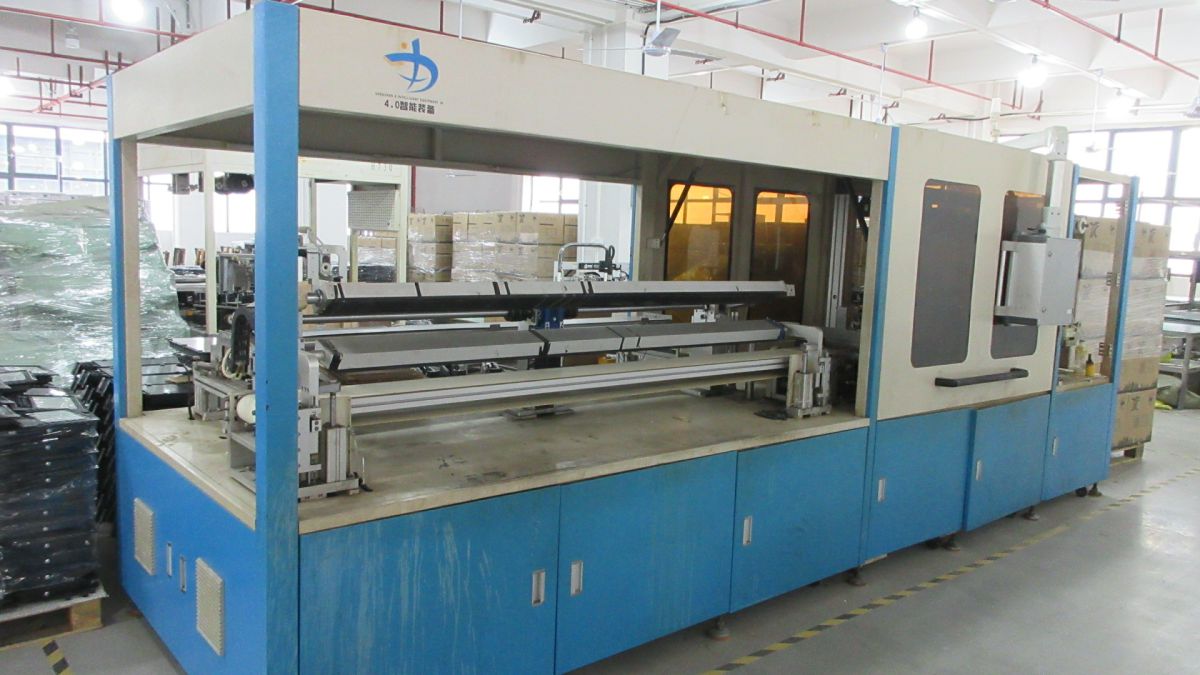
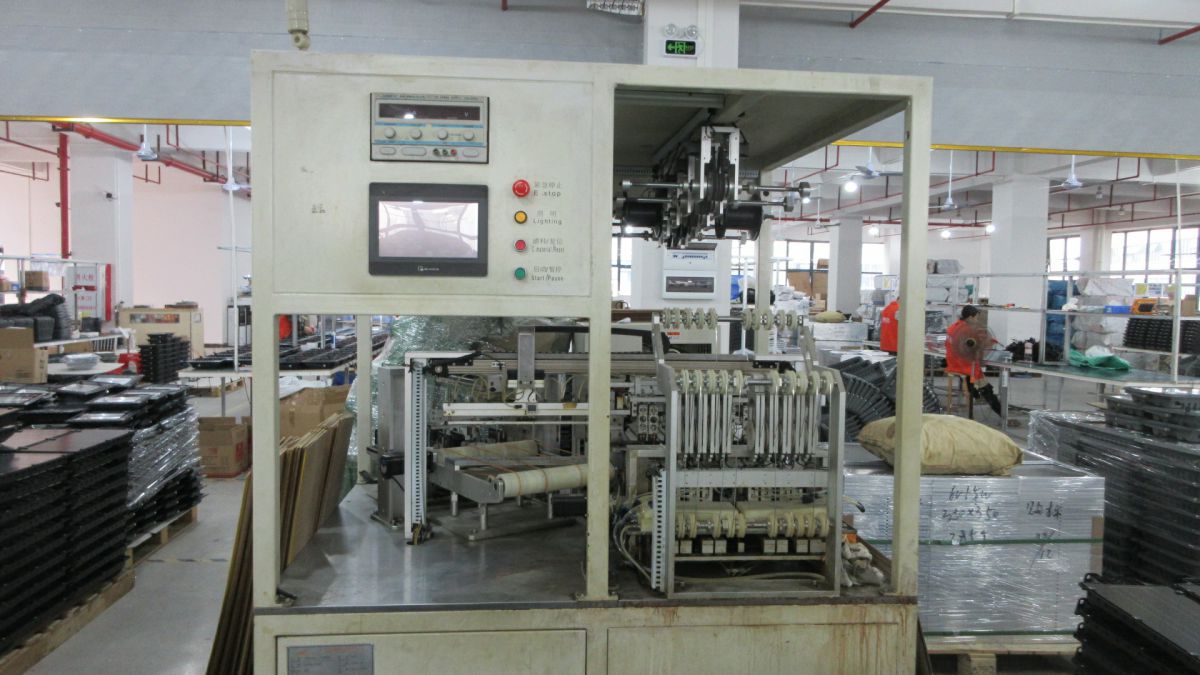
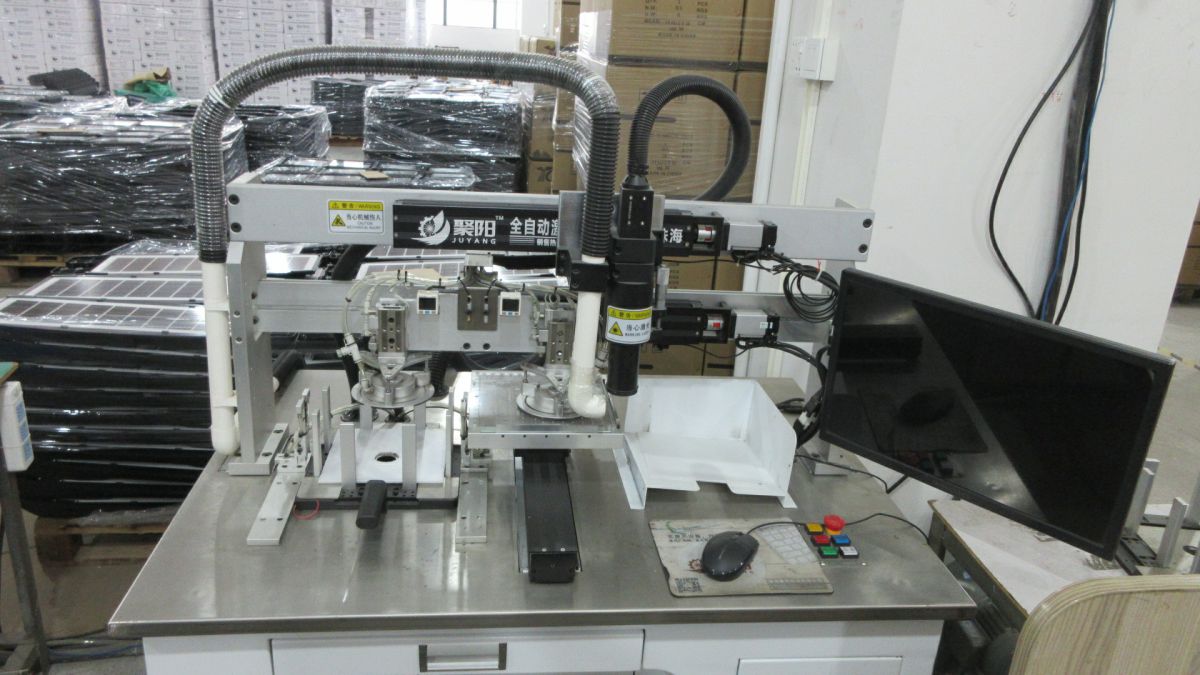
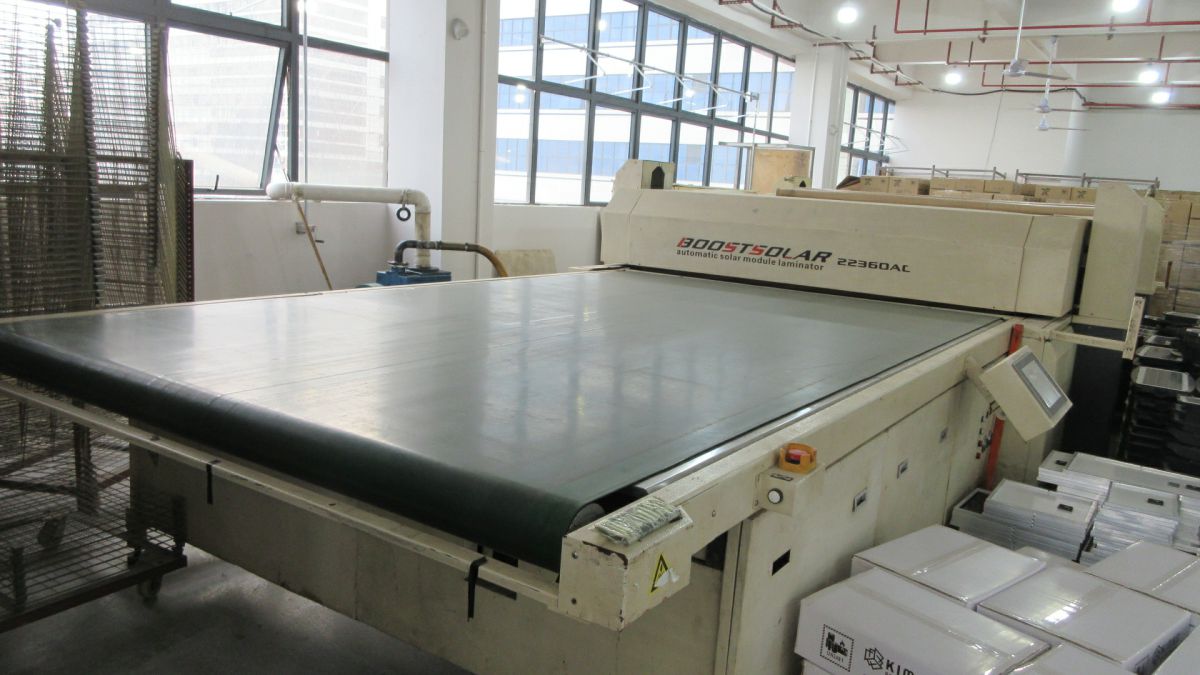
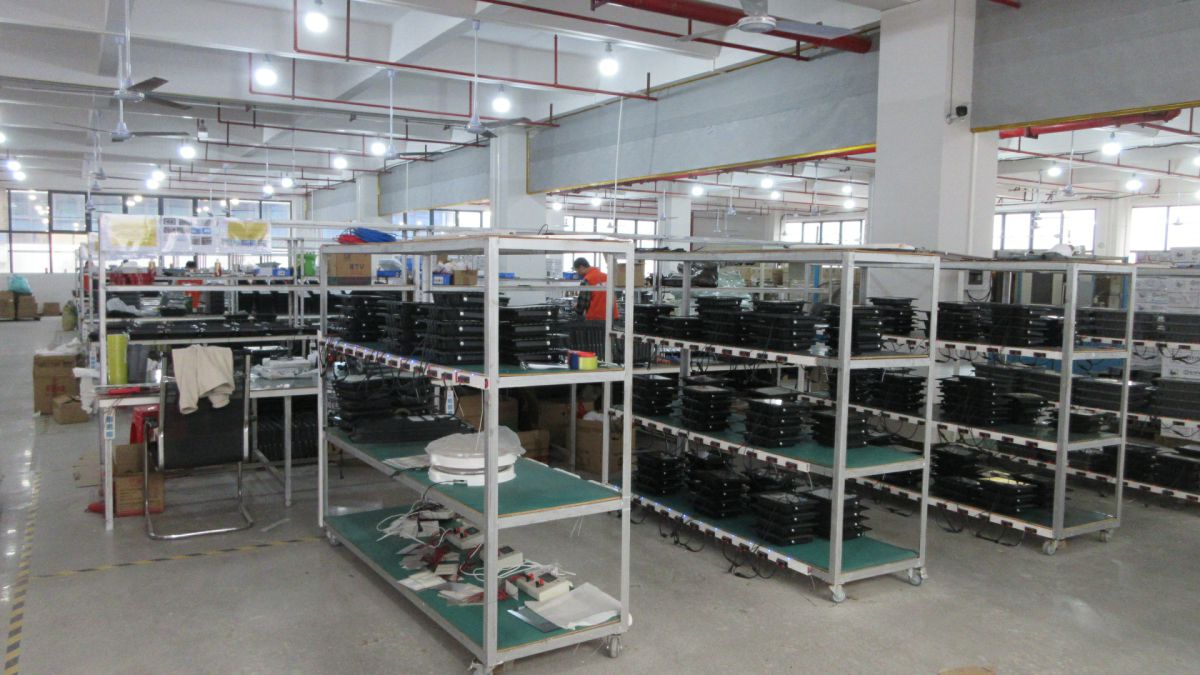
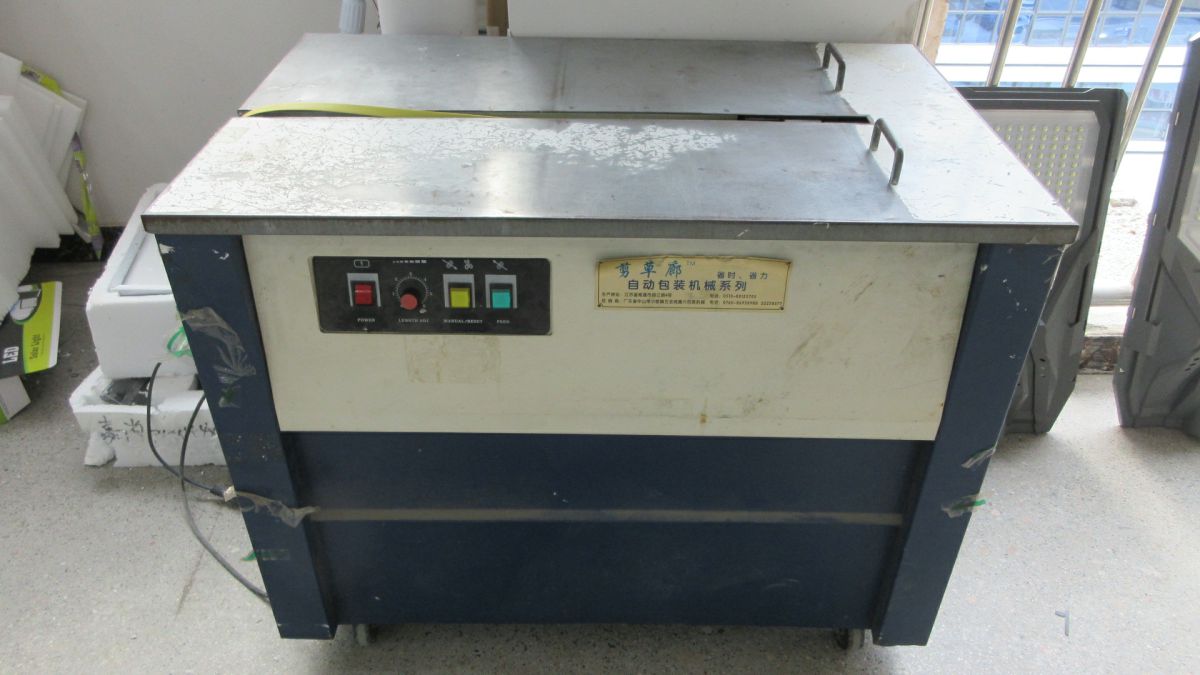
True product reliability is built on consistent, verifiable assembly processes. Below is an overview of Habel Lighting's manufacturing flow, showcasing the integration of automated high-precision equipment with systematic inspection.
Decoupling Optical Performance, Thermal Management, and Water Ingress Protection
Building high-performing outdoor LED systems requires addressing several major engineering challenges: heat dissipation, moisture control, optical stability, and power supply reliability. Unlike indoor fixtures, outdoor landscape spotlights are exposed to shifting temperatures, solar radiation, humidity, and atmospheric pollutants.
The lifetime of an LED chip ($\text{L}_{70}$) is directly related to its junction temperature ($T_j$). If $T_j$ exceeds 85°C, the phosphor coating degrades rapidly, leading to color shift and lumen depreciation. High-end landscape spotlight factories employ finite element analysis (FEA) to design optimal heat sinks. Die-cast aluminum housings (specifically ADC12 or A380 alloys) are preferred for their high thermal conductivity ($\approx 96-120 \text{ W/m}\cdot\text{K}$). Additionally, direct thermal path (DTP) copper PCBs are utilized to bypass dielectric thermal resistance, conducting heat away from the LED junction toward the housing.
Outdoor fixtures must be sealed against moisture and dust. However, airtight sealing creates a major challenge: when the fixture heats up, the air inside expands, building up internal pressure. When it turns off and cools down, the air contracts, creating a vacuum that can pull moisture through the seals. To counter this, quality manufacturers install a protective vent membrane (often made of expanded polytetrafluoroethylene, or ePTFE). This membrane allows gas molecules to pass through to equalize pressure, while keeping water drops out—preventing internal condensation and protecting the optical chamber.
In low-voltage landscape fixtures (such as IP67/IP68 spot and stake lights), the driver compartment and wire joints are frequently potted using two-part polyurethane or silicone resins. This provides complete insulation, dampens mechanical impact, and prevents water capillary action along the power cord.
Accurate light placement reduces glare and controls light pollution. Habel Lighting utilizes PMMA (polymethyl methacrylate) or polycarbonate (PC) lenses with UV stabilizers to prevent yellowing. Beam control is managed through Total Internal Reflection (TIR) lens designs, which direct light onto the target surface with minimal spill.
| Optical Metric | Architectural Standard | Implication for Projects |
|---|---|---|
| CRI ($R_a$) & $R_9$ | $R_a \ge 90$, $R_9 \ge 50$ | Ensures natural color rendering of flora, stone cladding, and facades. |
| Color Consistency | SDCM ≤ 3 (MacAdam Ellipse) | Prevents visible variations in light color when fixtures are placed in a row. |
| Luminous Efficacy | ≥ 110 lm/W to 160 lm/W | Reduces energy costs and system wire sizes for low-voltage setups. |
| UGR (Unified Glare Rating) | UGR < 19 (typically < 16 for spots) | Protects visual comfort along pathways, seating areas, and roads. |
Decentralized Power, Adaptive Color Tuning, and Smart Controls
The landscape lighting market is moving from simple, static illumination to dynamic, connected systems. Designers and specifiers are looking for fixtures that offer long-term flexibility, adaptability, and minimal environmental impact.
Traditional wiring topologies often require expensive trenching and control cabling (like DMX or 0-10V lines). The modern industry is adopting wireless control mesh networks (Bluetooth mesh, Zigbee, and Thread). Dynamic lighting profiles can be scheduled to run automatically, adapting to local astronomical clocks to dim during late-night hours. This saves energy and supports local wildlife by reducing light pollution.
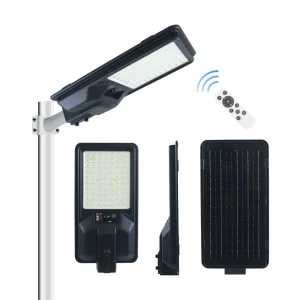
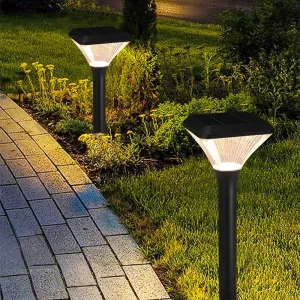
Off-grid solar landscape lighting has evolved beyond low-cost retail products. Commercial solar street lights and yard fixtures now feature monocrystalline PV panels paired with long-life Lithium Iron Phosphate ($\text{LiFePO}_4$) battery packs. Working with intelligent MPPT (Maximum Power Point Tracking) controllers, these fixtures can manage power levels to guarantee illumination through consecutive cloudy days.
CCT (Correlated Color Temperature) tuning is becoming standard in luxury residential and hospitality projects. By mixing warm white (2200K) and cool white (5700K) LEDs, designers can adjust the lighting color temperature depending on the season—for example, casting a warm light in winter and a cooler light in summer. RGBW systems with dedicated white chips also allow high-CRI accent lighting along with vibrant color effects.
Essential standards for importing to North America, Europe, and Global Markets
For B2B importers, developers, and distributors, verifying compliance with regional testing standards is essential to avoid customs delays and liability issues. Importing from Chinese factories requires matching product specifications to local regulations:
Landscape fixtures running on line voltage must meet UL 1598, while low-voltage systems require UL 1838. Outdoor products must be ETL or UL listed for wet locations. Drivers must meet FCC Part 15 Class B standards for electromagnetic interference, and Energy Star or DLC certification helps qualify projects for utility rebates.
Products must carry the CE Mark, certifying compliance with LVD (Low Voltage Directive 2014/35/EU) and EMC (2014/30/EU). The RoHS Directive restricts hazardous substances. Under the Eco-Design and ErP Directives, luminaires are tested for energy class, color rendering, and strobe metrics (SVM/PstLM).
Middle Eastern projects frequently require SASO (Saudi Arabia) or ESMA (UAE) certifications, often including CB test reports from IEC-accredited laboratories. Impact protection ratings (IK08 to IK10) are also required for public installations to confirm durability against vandalism.
Answering Key Inquiries on Sourcing and Specifying LED Landscape Spotlights
High-performance warehouse, explosion-proof, and cleanroom lighting solutions.

 Habel Lighting