The outdoor and commercial lighting industry is undergoing a structural paradigm shift. Beyond simple illumination, contemporary LED area lights are crucial node components in smart infrastructure networks. Led by decarbonization mandates, energy conservation initiatives, and the rapid maturation of the Internet of Things (IoT), the requirements for commercial outdoor area lighting have evolved significantly.
Key technology drivers currently shaping the LED area lighting industry include:
Modern fixtures integrate DALI-2, Zigbee, or LoRaWAN protocols, enabling automated brightness adjustment based on real-time pedestrian or vehicle traffic. This dynamically lowers operational costs while extending system components' operating lifetimes.
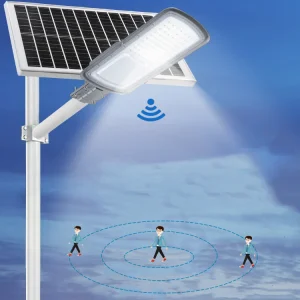
Off-grid and hybrid area lights leverage high-efficiency monocrystalline solar panels combined with long-life Lithium Iron Phosphate (LiFePO4) batteries. This setup bypasses complex underground trenching requirements and significantly mitigates power grid dependency.
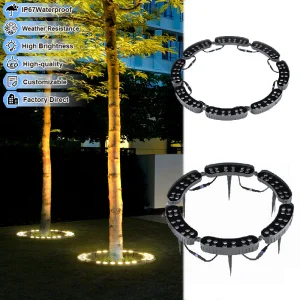
From industrial petrochemical hubs to sub-zero cold storage facilities, area lights are now engineered with marine-grade anti-corrosion coatings, IP66 to IP67 ingress protection ratings, and IK08 to IK10 impact protection indexes.
Procurement managers, electrical contractors, and utility project planners must balance technical specifications, safety certifications, and supply chain dependability to achieve a high return on investment (ROI). Sourcing standard off-the-shelf components without calculating specialized photometric layouts can lead to poor uniformity, light pollution, and excessive glare.
When evaluating LED Area Light manufacturers, professional buyers prioritize specific parameters:
Guangdong Habel Lighting Co., Ltd., established in 2010, has positioned itself as an industry-leading manufacturer and exporter of commercial outdoor and industrial LED lighting solutions. Over more than a decade of research, iteration, and manufacturing growth, the company has developed a strong reputation for performance, regulatory compliance, and customized OEM/ODM partnerships.
Guangdong Habel Lighting's competitive advantage lies in its integration of professional R&D engineering, comprehensive supply chain management, and a zero-tolerance quality inspection framework.
Our departmental leadership across R&D, engineering, and quality control averages 5 to 10+ years of technical experience in high-power LED systems. This enables rapid structural modification, optical fine-tuning, and electrical reconfiguration for customized B2B contracts.
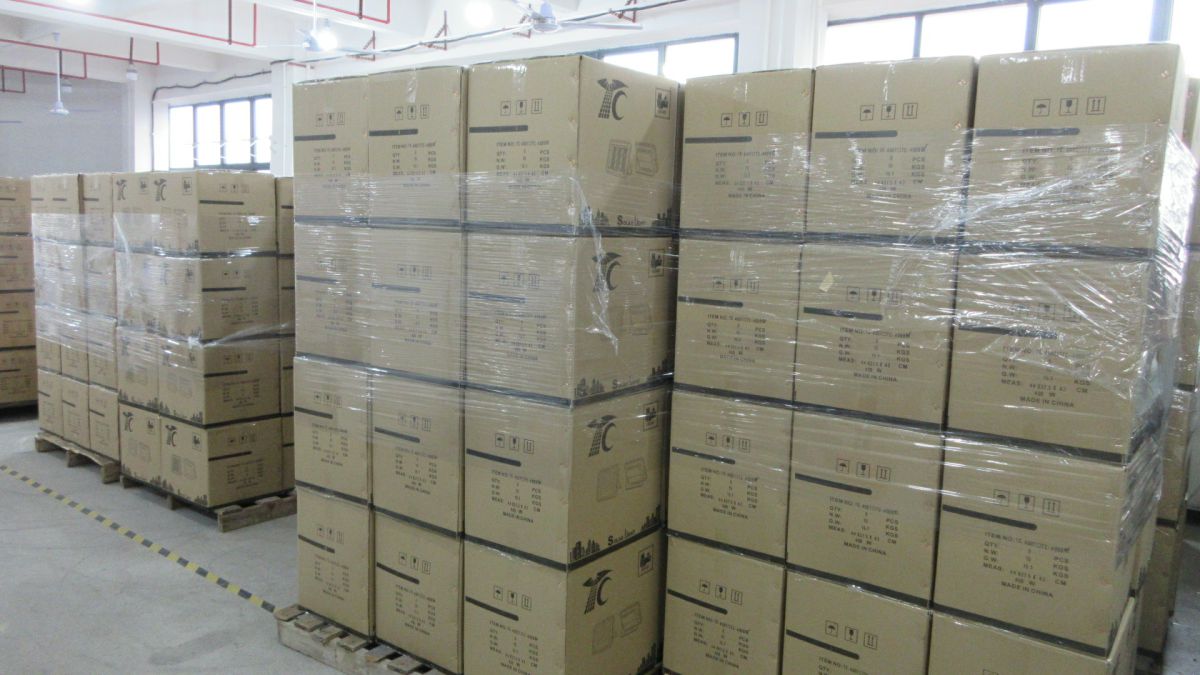
By stocking a buffer inventory of key raw components—such as MeanWell, Inventronics, or Sosen drivers and Lumileds or Osram LED packages—we insulate global clients from supply chain delays and reduce standard lead times by up to 30%.
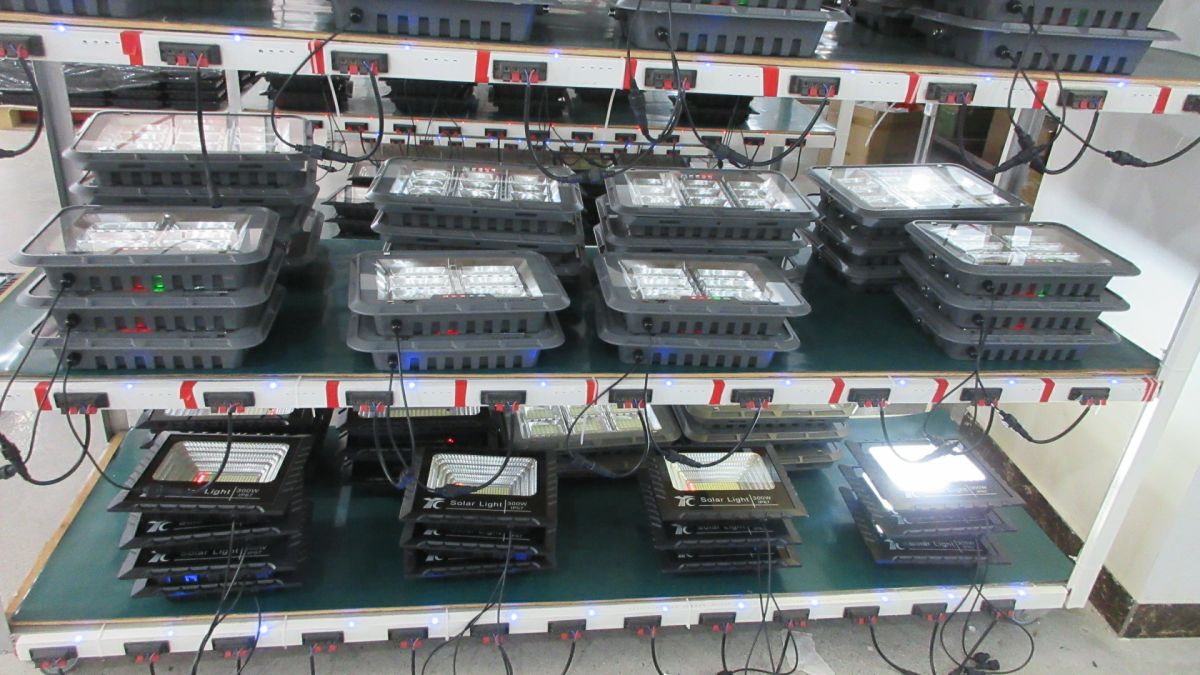
Under the supervision of our QA manager, who brings over 15 years of industry experience, all products undergo systematic testing, including IP waterproofing, IK impact testing, thermal imaging evaluation, and continuous burn-in tests.
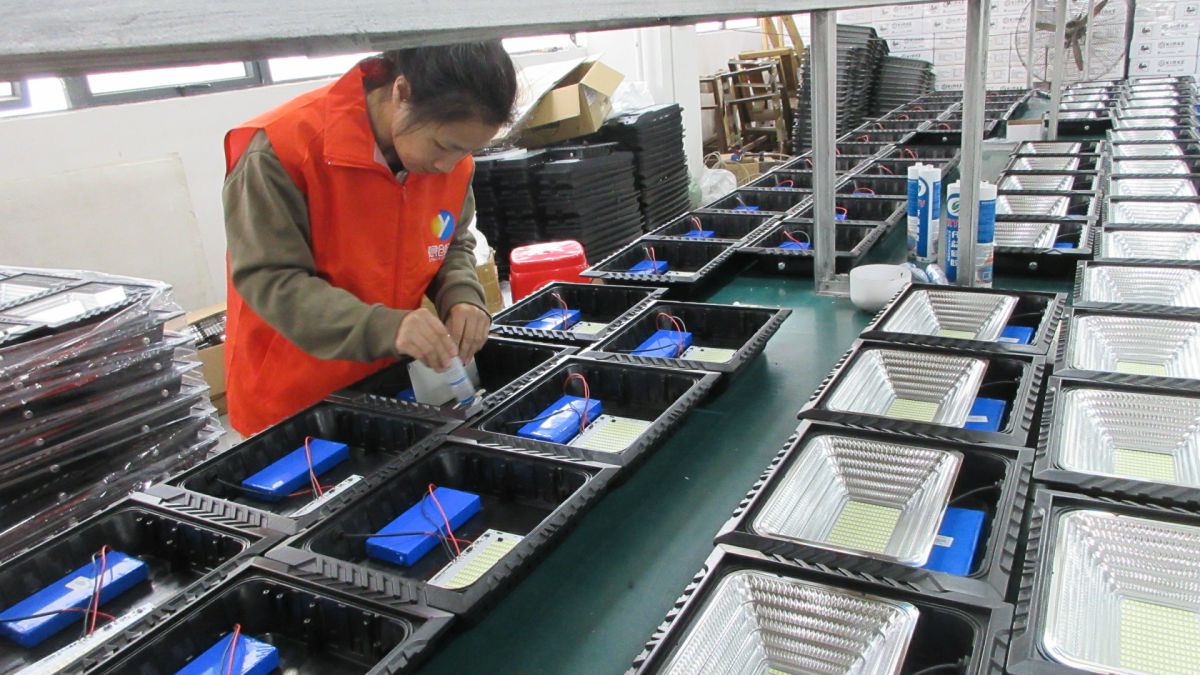
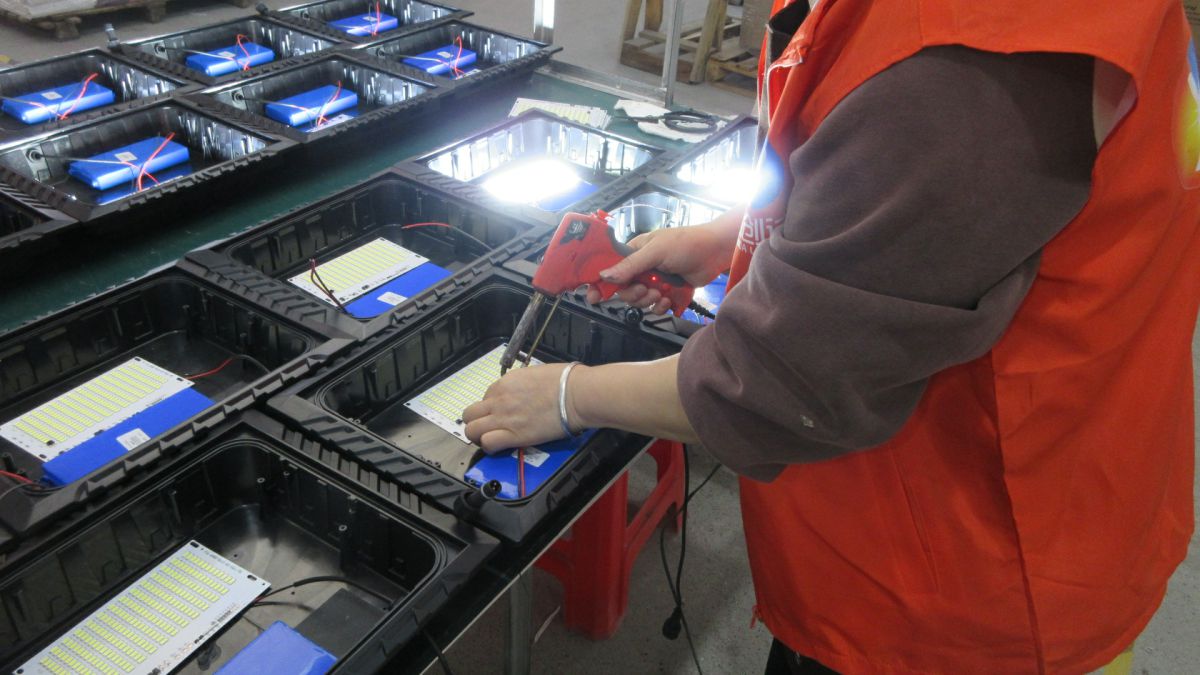
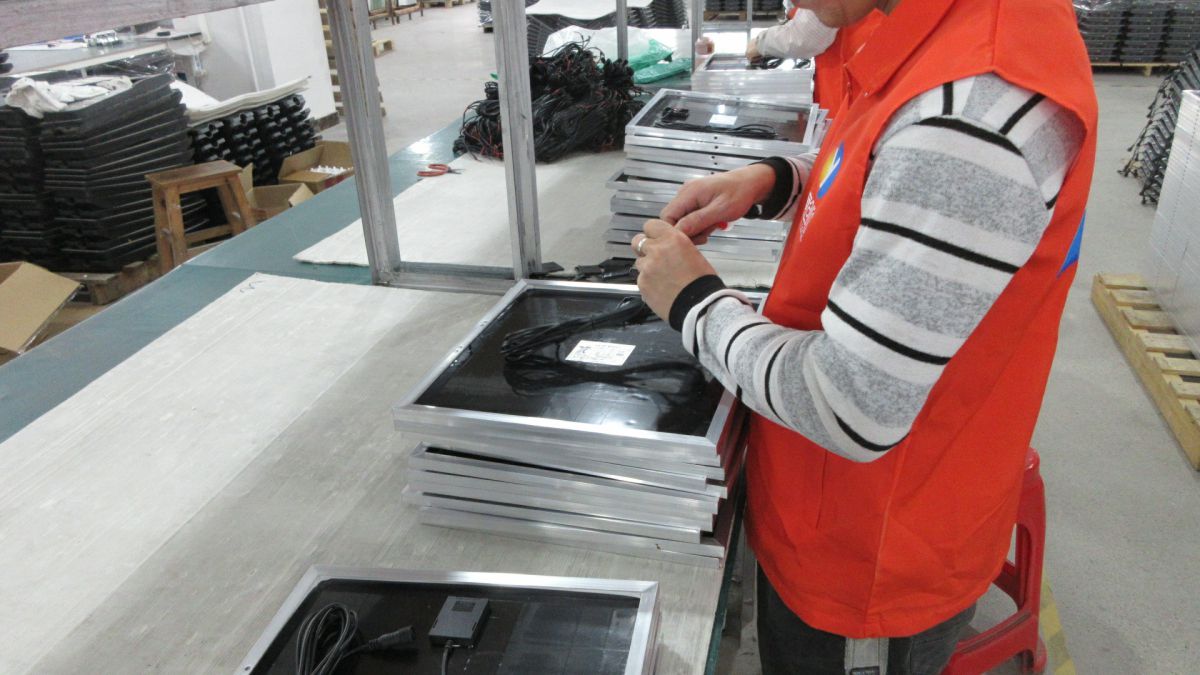
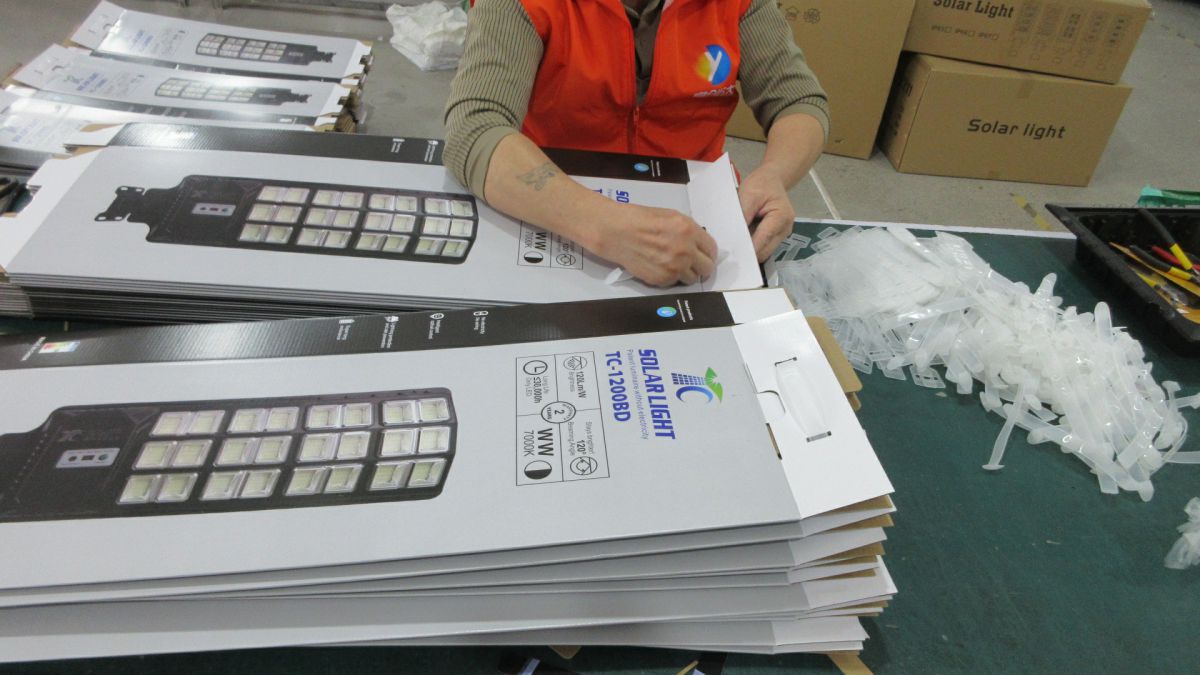
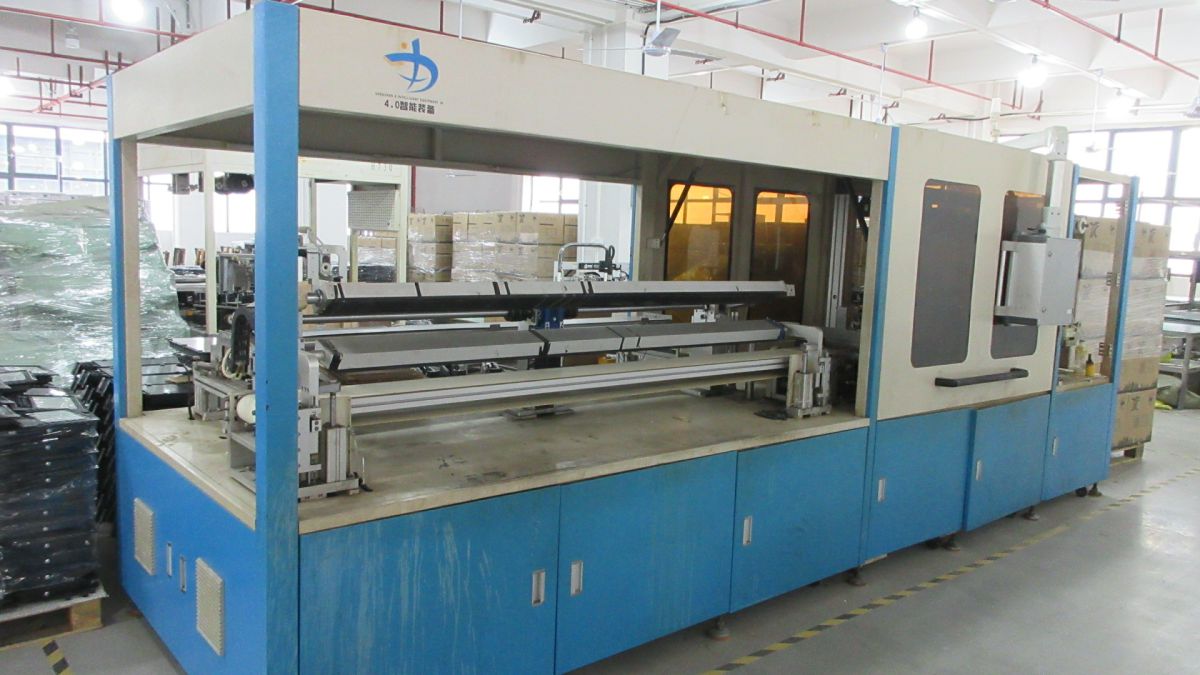
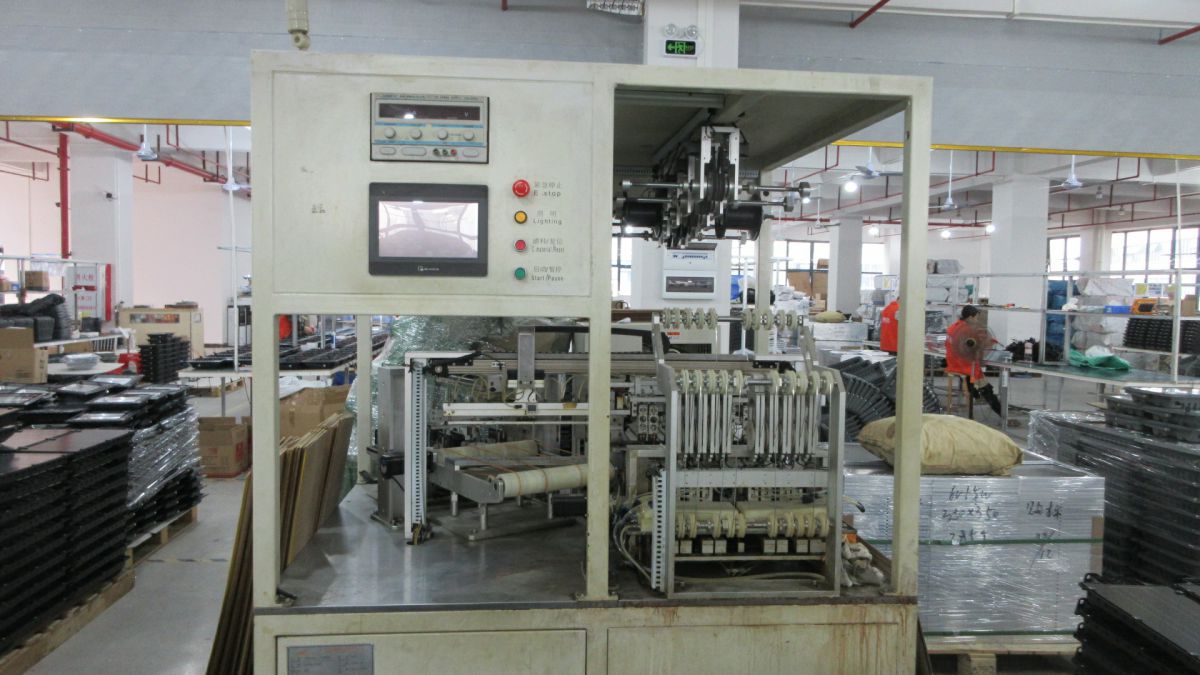
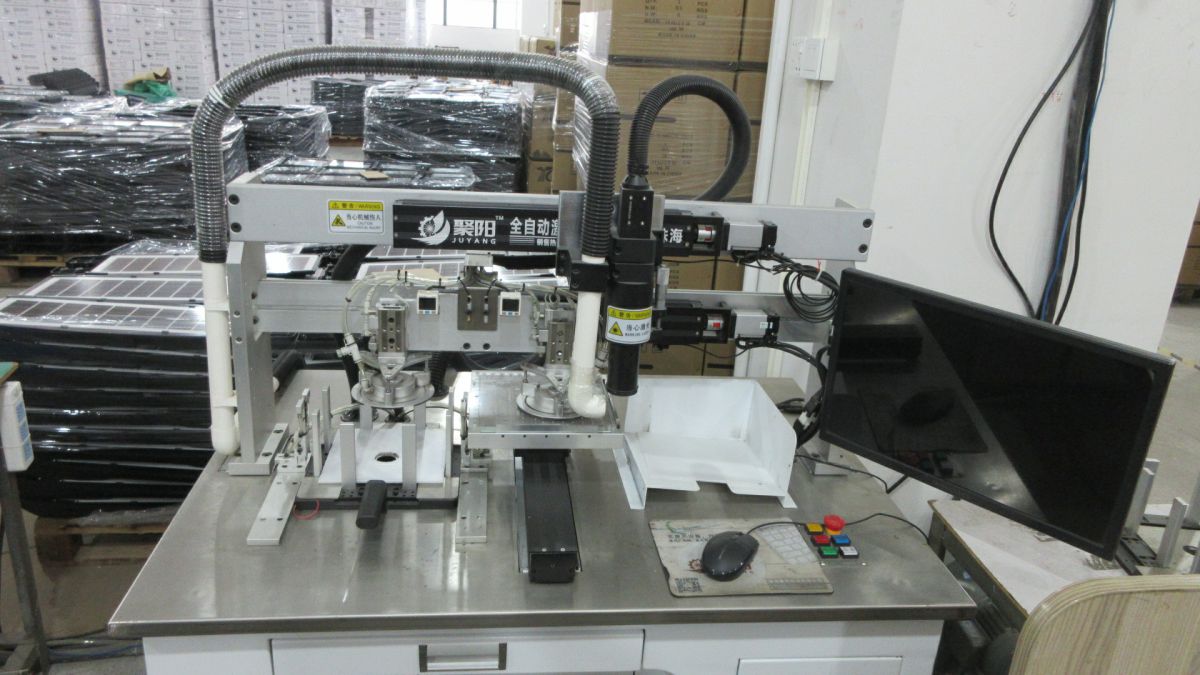
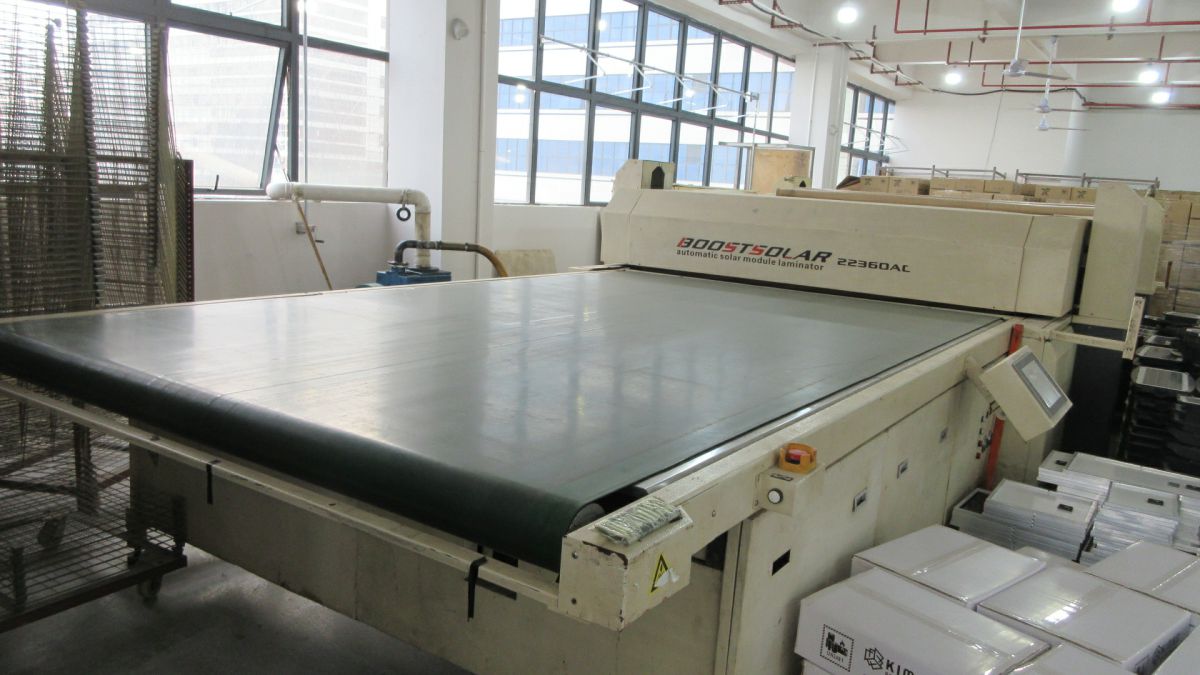
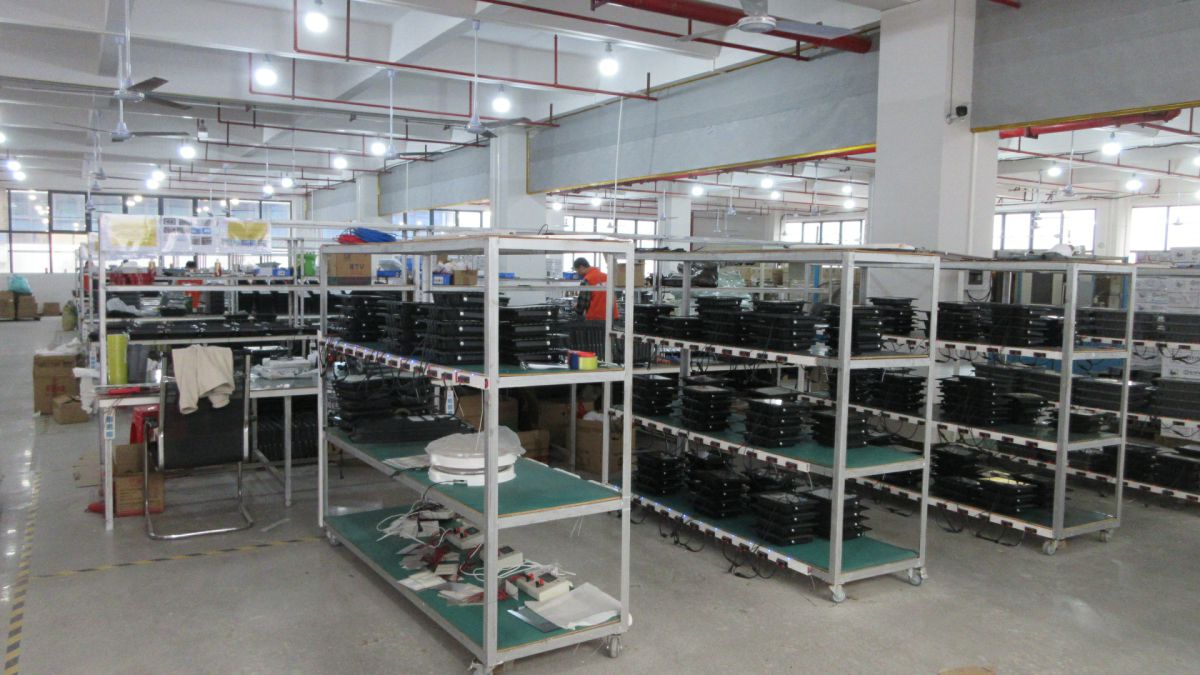
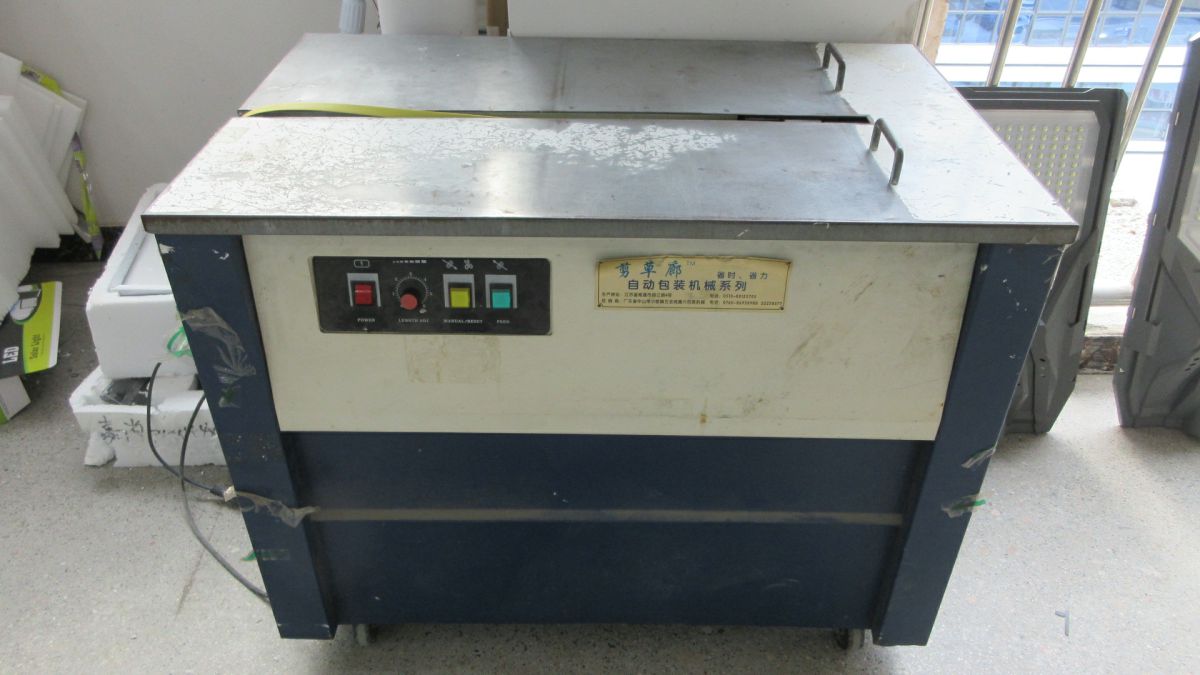
Leveraging automation and process integration, Guangdong Habel Lighting manages a highly resilient manufacturing pipeline. Our modern facility employs computerized equipment and lean assembly lines, minimizing manufacturing variation and ensuring consistent batch-to-batch output.
Below is the overview of the advanced operations, assembly, and testing procedures deployed in our factory:
Optimal illumination requires matching the fixture's technical characteristics to the environment. Different layouts demand distinct wattages, optical distributions, and ingress ratings.
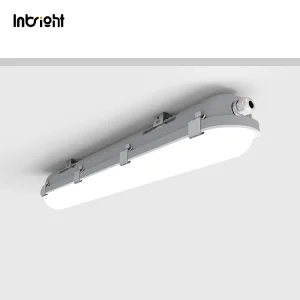
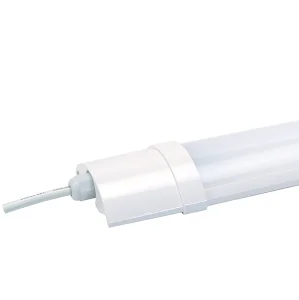
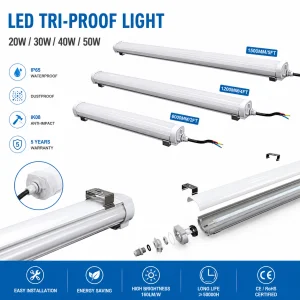
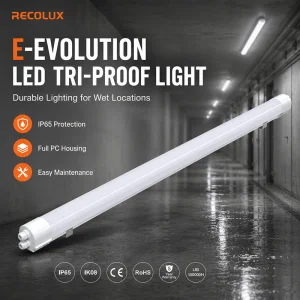
High-humidity environments and sub-zero cold rooms require resilient fixtures. The IP65/IP66 linear tri-proof lights prevent moisture condensation and maintain stable lumen output down to -30°C.
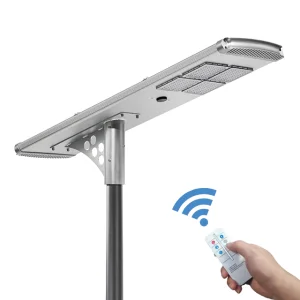
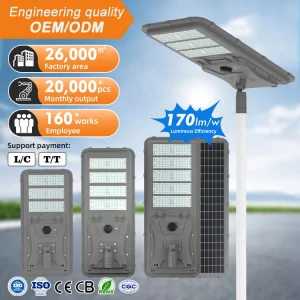
Public roadways prioritize reliable performance and reduced grid dependency. Intergrated solar streetlights with high-lumen density, photocells, and motion sensors provide off-grid illumination, lowering public works energy costs.
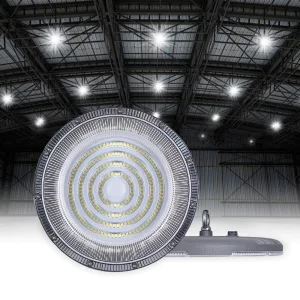
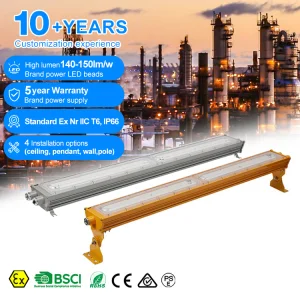
Refineries, chemical processing plants, and dusty warehouses require safety-certified fixtures. Explosion-proof UFO high bays and linear ATEX-certified luminaires contain internal sparks to prevent accidental ignition.
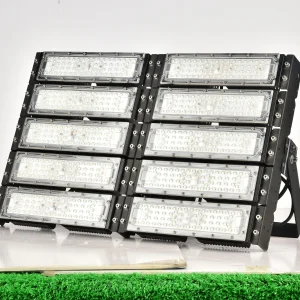
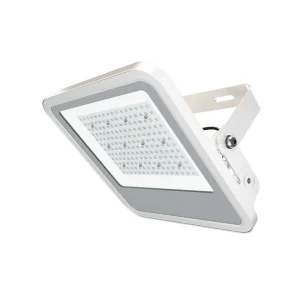
High-mast installations require clean optical patterns and minimal glare. High-power modular floodlights (ranging from 300W to 1000W) deliver asymmetric beam patterns to illuminate fields uniformly while minimizing light pollution in surrounding areas.
Technical details for engineers, consultants, and procurement managers evaluating B2B commercial outdoor projects.
 Habel Lighting