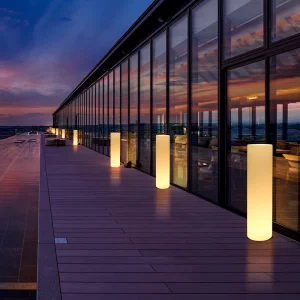
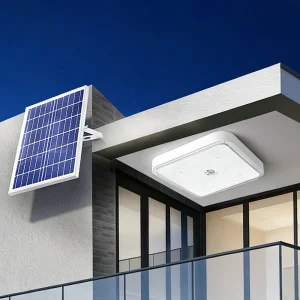
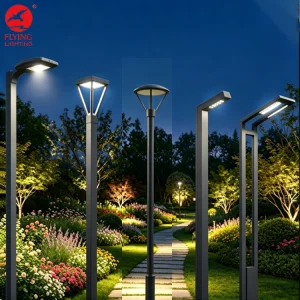
Engineered with advanced weatherproofing and high efficiency to meet the rigorous physical conditions of Chile's varied terrain.
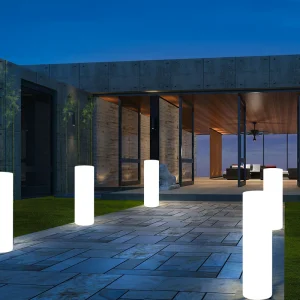
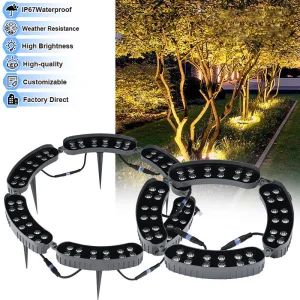
Chile has emerged as one of the world's most dynamic and promising renewable energy landscapes. Driven by the ambitious national goal of achieving complete carbon neutrality by 2050, both the public and private sectors in Chile are aggressively transitioning away from conventional electrical grid setups. Landscape and outdoor lighting represent an immediate, high-impact area for this transition. However, the Chilean market presents an exceptionally distinct set of environmental, climatic, and technical conditions that buyers, engineers, and municipal developers must account for when sourcing fixtures.
Chile is a land of geographic extremes. A supplier cannot offer a single standard specification and expect it to function optimally in all Chilean regions. Our R&D team analyzes three major geographic clusters when customizing luminaires for Chilean clients:
A crucial factor for any lighting developer working in regions such as Coquimbo, Atacama, and Antofagasta is the Decree 43 (DS43), which aims to minimize light pollution near Chile's world-class astronomical observatories. To be imported and installed in these zones, landscape lighting must conform to strict rules: zero upward light emission (ULOR = 0%), a correlated color temperature (CCT) preferably not exceeding 3000K (ideally warm white or amber), and specific spectral output cut-offs. Our product lines offer targeted optical designs that focus light directly downward, eliminating glare and preserving the dark sky.
Deploying wireless remote controls and intelligent power saving algorithms for commercial infrastructure.
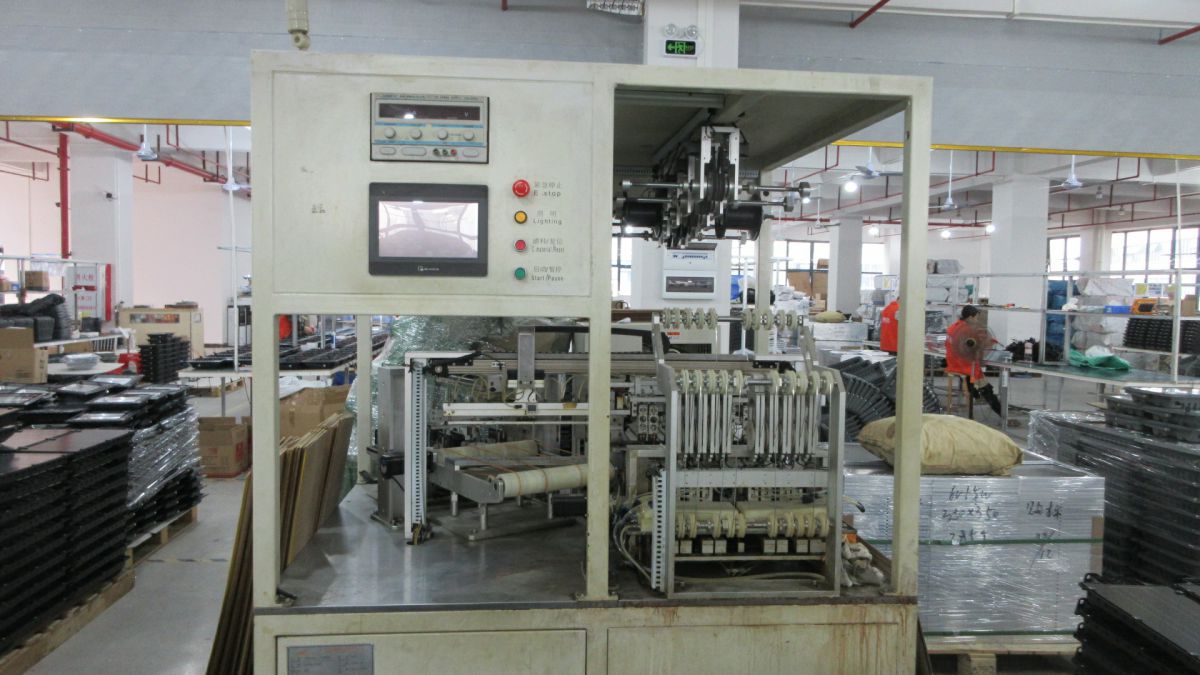
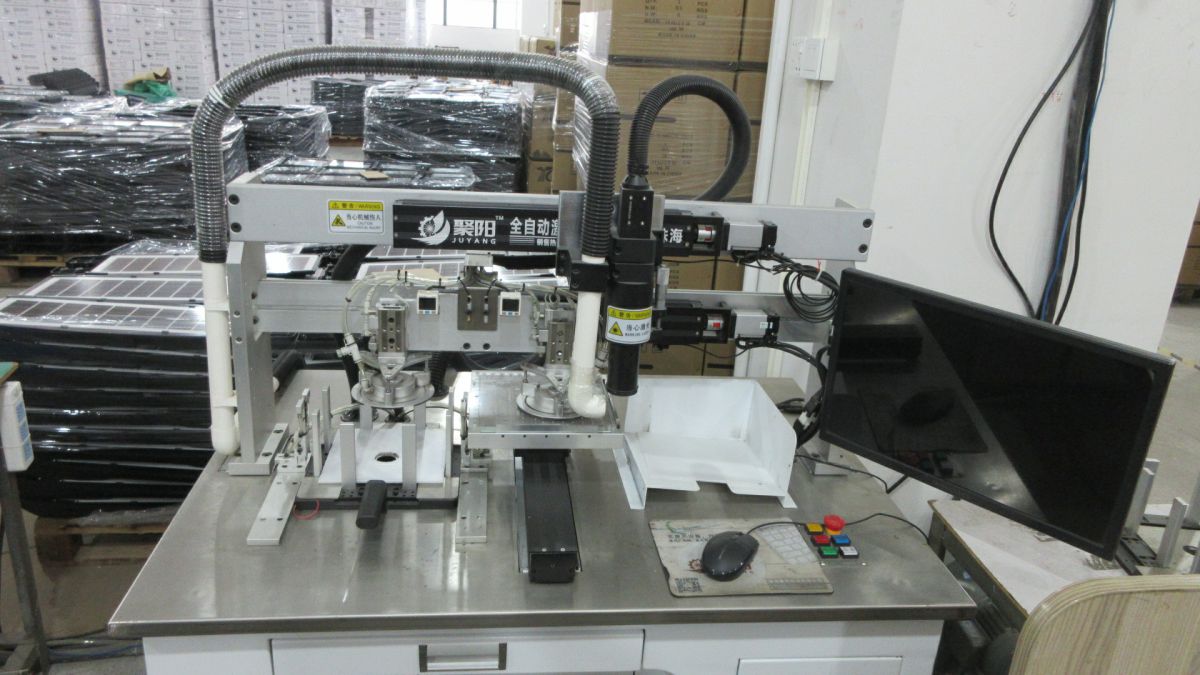
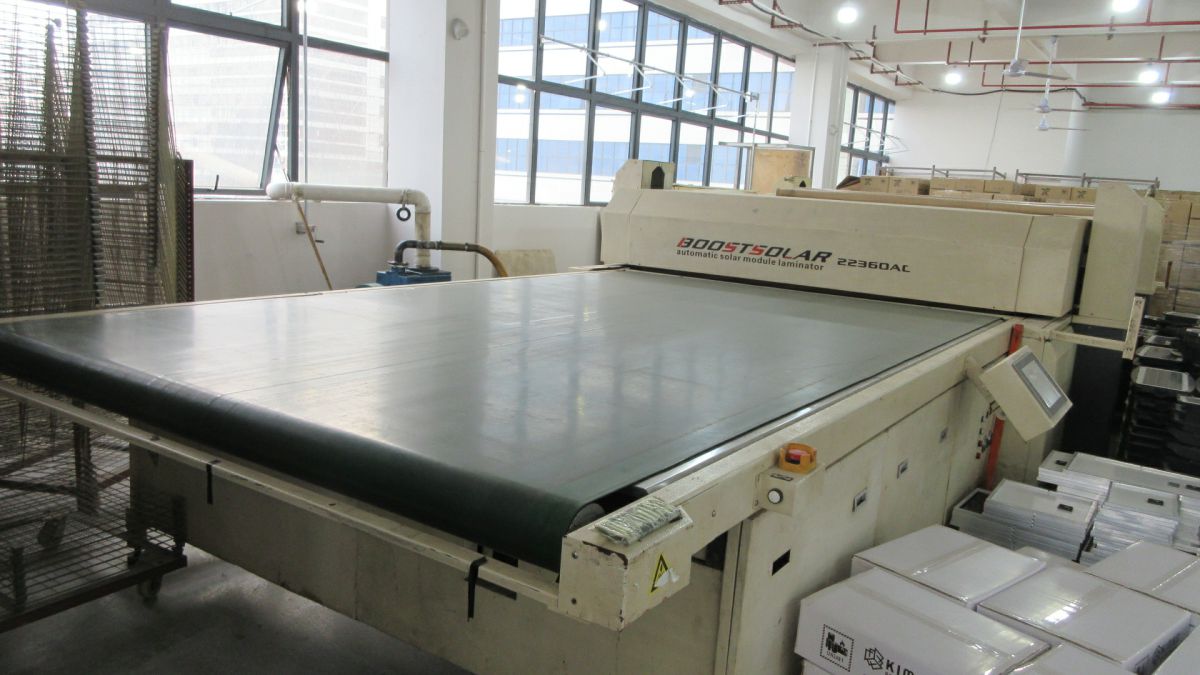
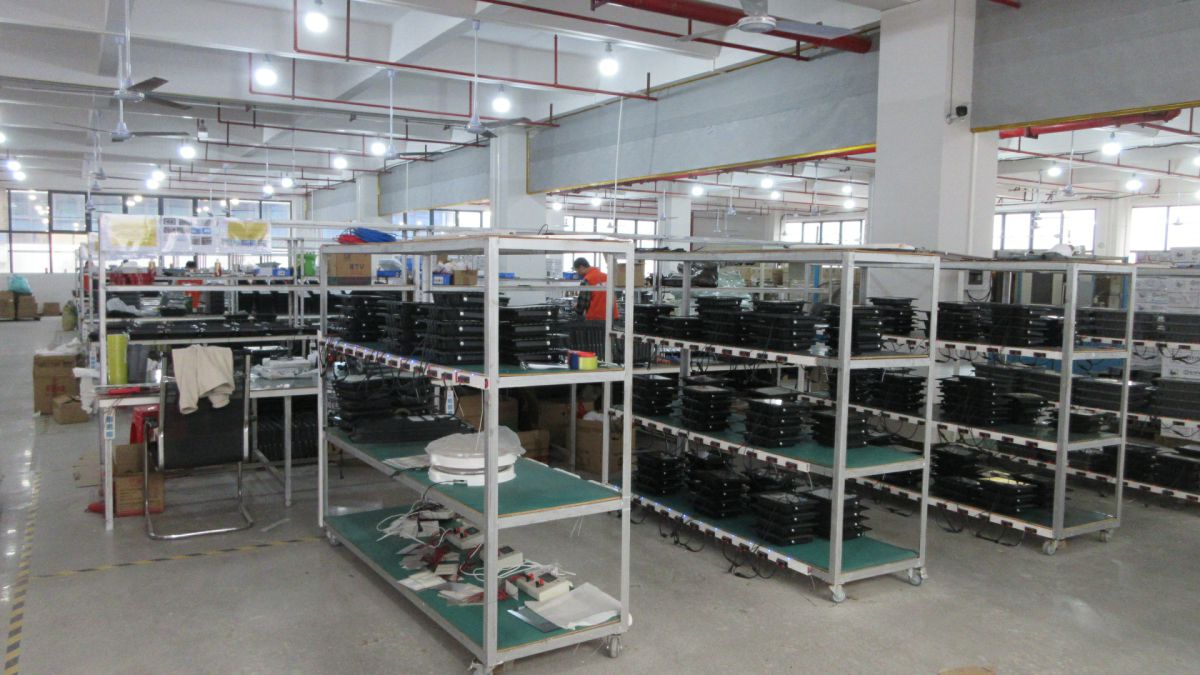
Established in 2010, Guangdong Habel Lighting Co., Ltd. has spent over a decade building an international reputation as an authoritative OEM/ODM manufacturer specializing in LED indoor lighting products and high-specification LED outdoor lighting solutions. We do not just assemble products; we engineer complete lighting systems. Our manufacturing facility in Guangdong integrates cutting-edge machinery with strict quality verification processes to ensure our output satisfies top-tier global compliance standards.
Our competitive advantage in the global market, particularly when servicing complex regions like Chile, rests on three key pillars:
Our R&D and engineering teams consist of specialists who have spent between 5 and 10+ years dedicated strictly to outdoor LED thermal management, photovoltaic module integration, and battery management system (BMS) design. By introducing new, highly optimized fixtures annually, we keep our distribution partners at the forefront of the technological curve.
By maintaining a deep, rolling stock of high-grade raw materials (such as A-grade Monocrystalline silicon cells, branded high-lumen Bridgelux/San'an LED chips, and high-efficiency controller chips), we shield our clients from seasonal supply chain disruptions. This material depth allows us to guarantee faster turnaround times, consistent color-rendering indexes (CRI), and uniform luminous efficacy from production batch to production batch.
Managed by a QC Director with more than 15 years of industry experience, Habel Lighting enforces a multi-stage testing regime. This process ensures that every landscape bollard, spike spotlight, and solar street pole light leaving our dock can survive the mechanical stressors of international transit and decades of outdoor exposure in environments like the Andes Mountains or the Pacific coastline.
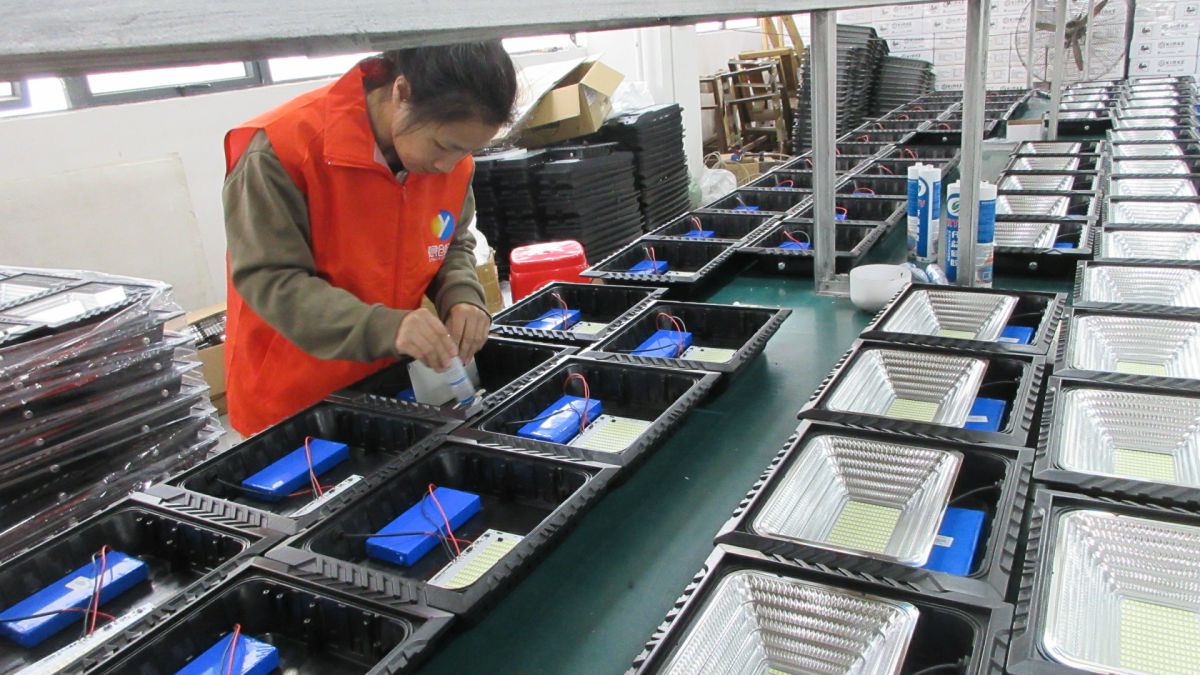
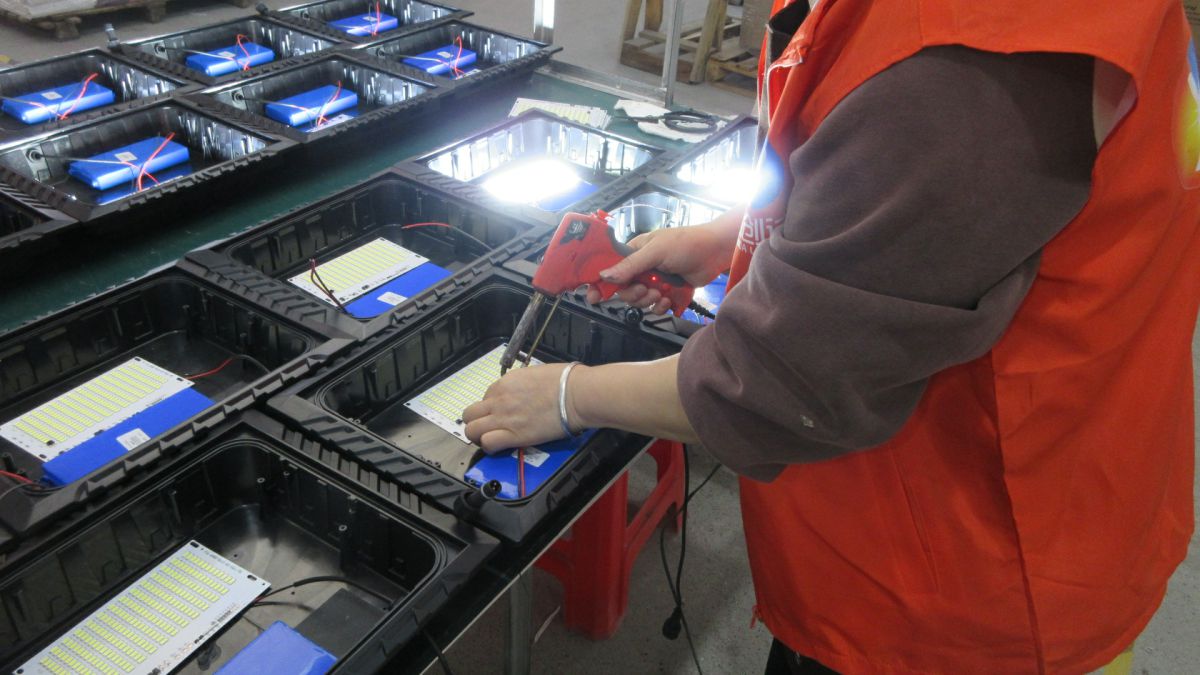
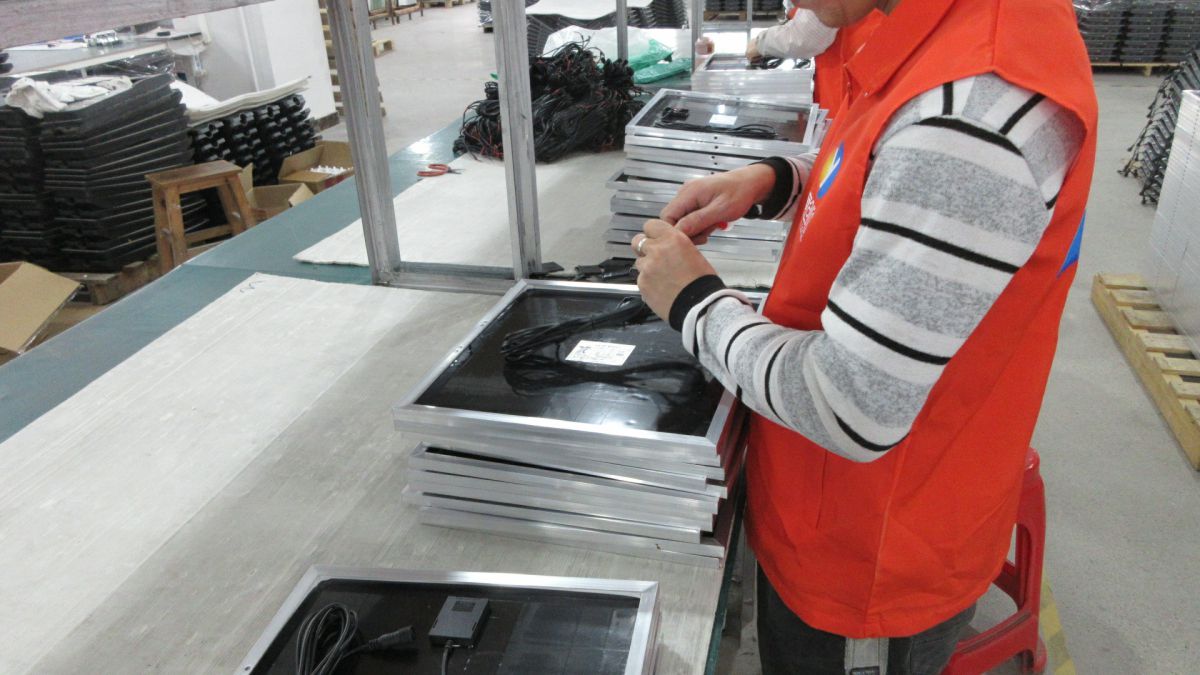
A transparent look into our vertically integrated manufacturing facility, showing the advanced machinery used to craft our landscape lighting lines.
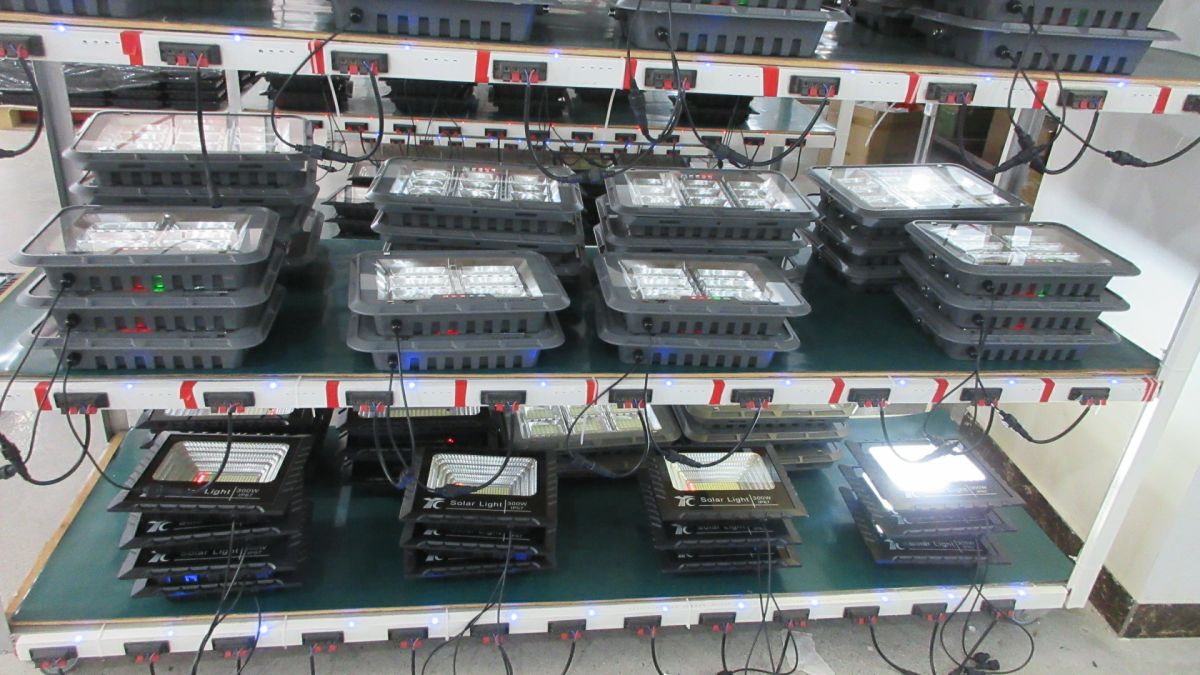
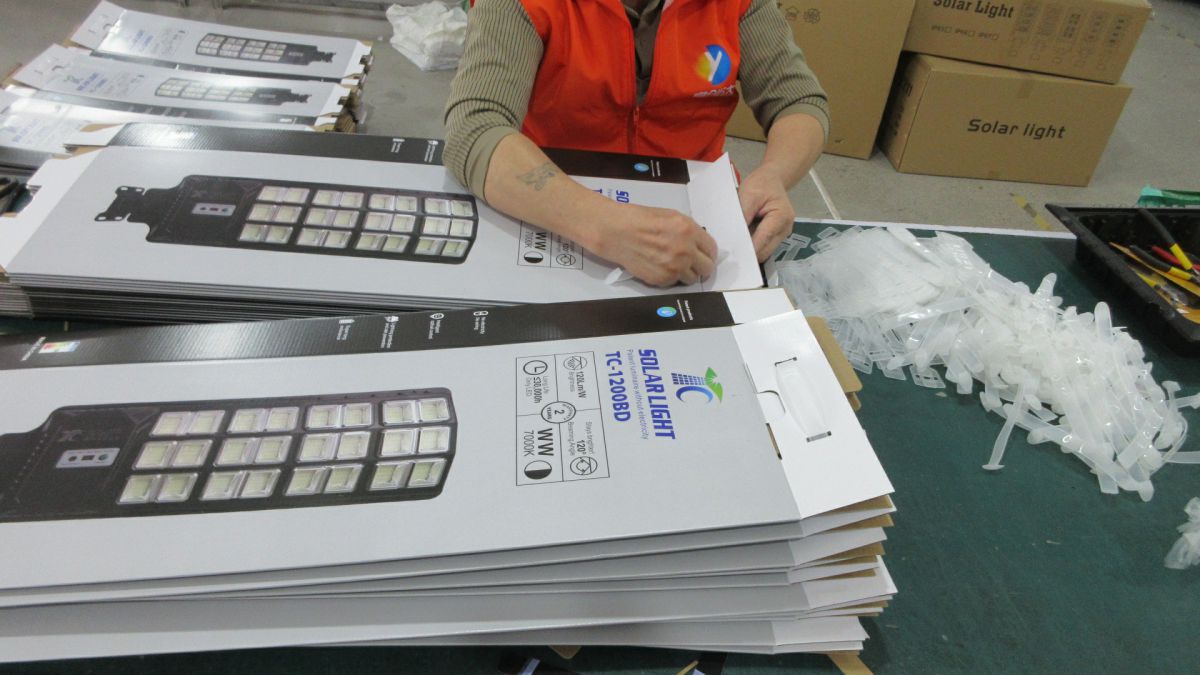
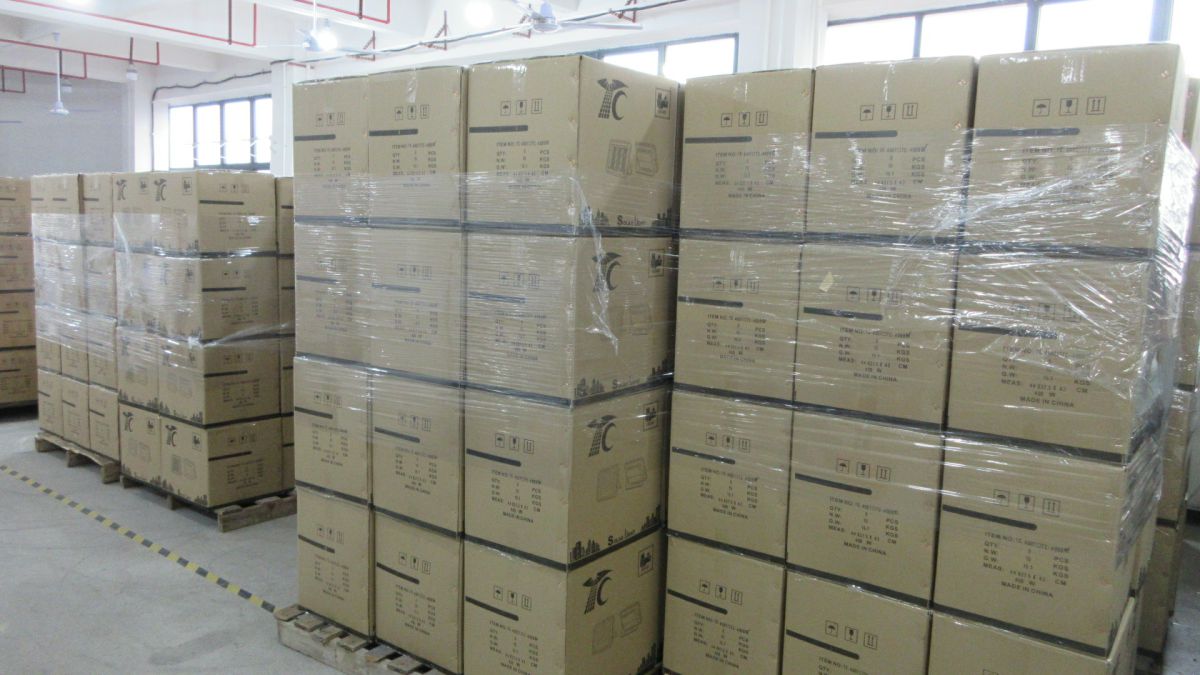
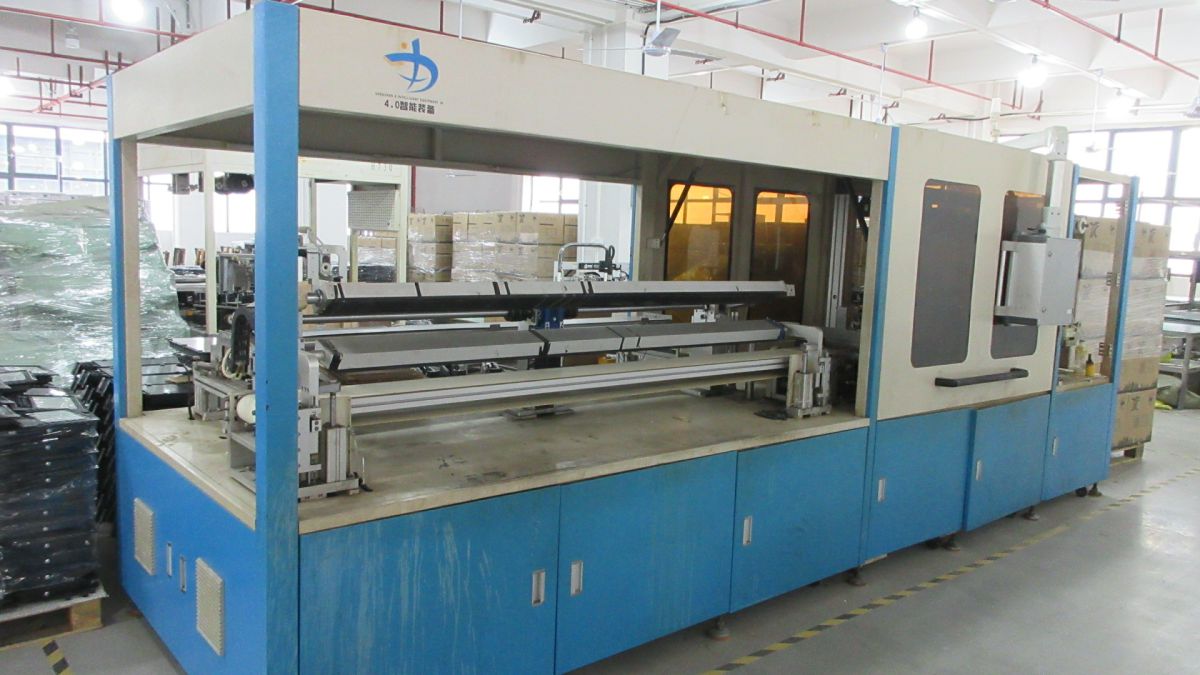
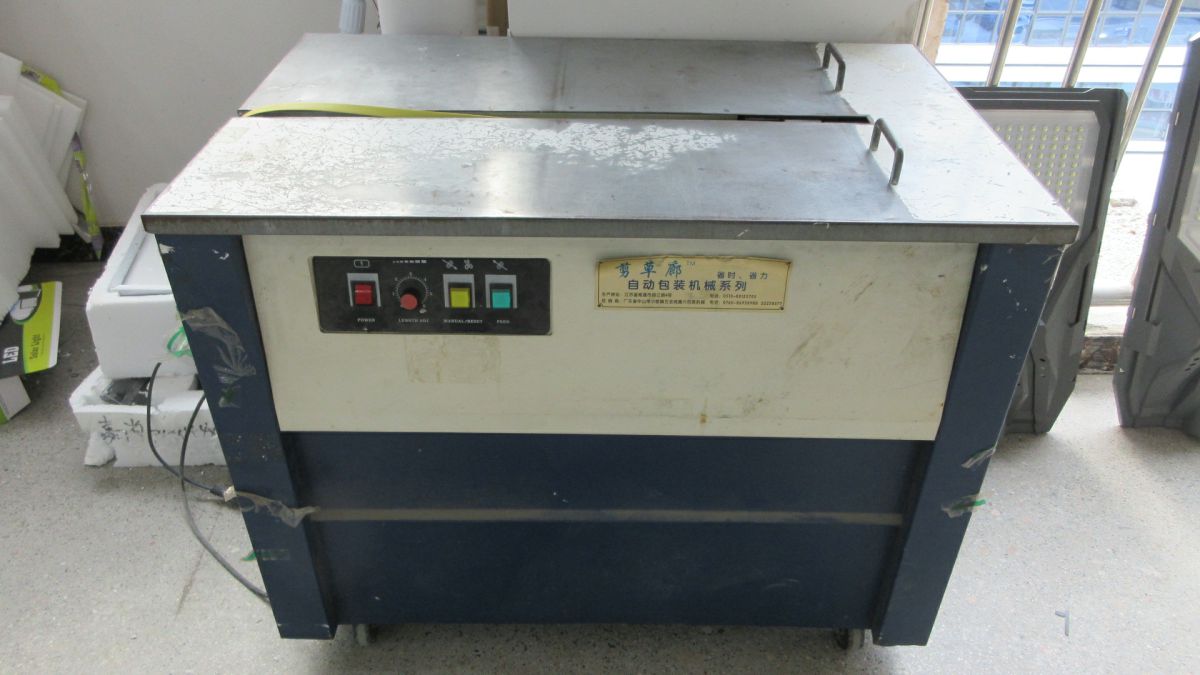
Modern architectural and utility developments in Chile utilize solar lighting to save on excavation, trenching, wiring, and electricity costs. The lack of grid reliance makes these systems particularly useful in specific niches across the country:
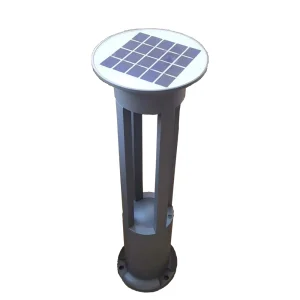
Located in remote Andean locations, mining base camps require rapid, highly robust pathway lighting. With extreme temperature drops at night, high-performance solar bollards and mobile light towers provide reliable safety illumination without generating costly diesel generator reliance or heavy wiring demands.
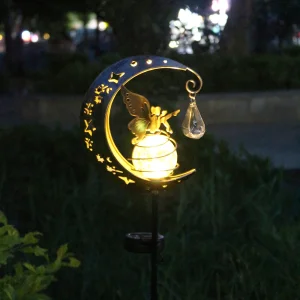
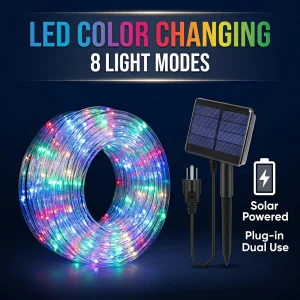
Chile’s world-renowned vineyards in the Central Valley (Colchagua, Maipo) prioritize sustainability as a core brand element. Low-profile, minimalist garden lights and fairy rope lighting enhance outdoor dining and night tours while preserving the eco-friendly architectural aesthetic.
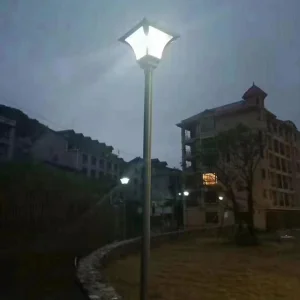
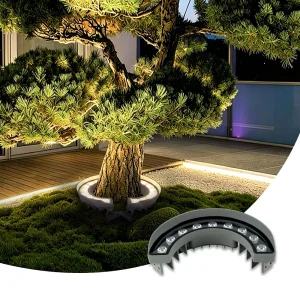
Cities like Santiago, Concepción, and Viña del Mar are actively upgrading public plazas to solar cylindrical lights and low-voltage spot ring lighting. These fixtures eliminate public electrical shock hazards, reduce carbon footprints, and operate autonomously even during seismic events or grid outages.
Procuring commercial solar landscape lights directly from a specialized Chinese manufacturer like Guangdong Habel Lighting provides Chilean EPCs, contractors, and importers with clear economic and logistics advantages:
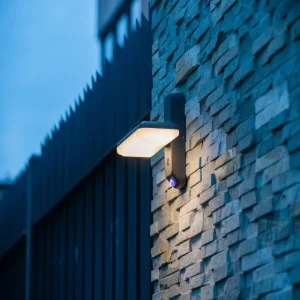
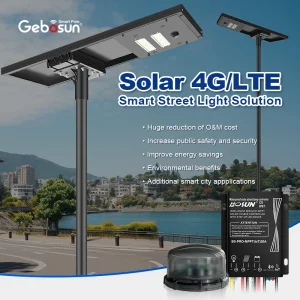
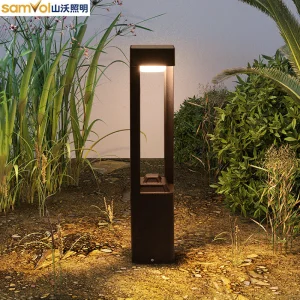
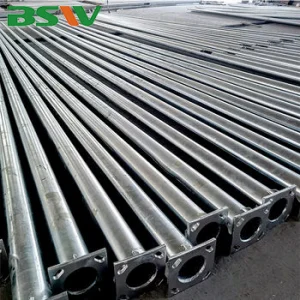
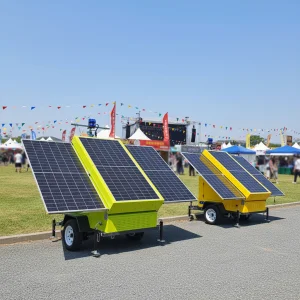
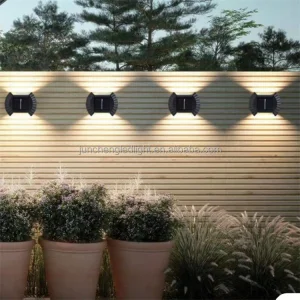
A robust selection of solar poles, wall fixtures, security towers, and accent lights customized for the Chilean market.
A: The Atacama desert experiences vast thermal swings (from over 35°C during peak day hours to sub-zero levels at night). Standard batteries degrade rapidly under these conditions. To counter this, Habel Lighting utilizes premium automotive-grade Lithium Iron Phosphate (LiFePO4) batteries paired with an intelligent BMS. The BMS throttles charging rates and features temperature monitoring sensors that prevent battery degradation during thermal peaks, assuring a prolonged lifespand of over 2000 cycles (roughly 5-8 years of daily service).
A: For SEC (Superintendencia de Electricidad y Combustibles) clearances, we provide accredited laboratory test files including IEC 60598 series electrical safety and IP rating reports (IP65, IP66, or IP67). For DS43 dark-sky compliance, our technical files include IES photometric data showing 0% upward light output ratio (ULOR=0) along with specific spectral distributions featuring CCT values of 2700K or 3000K, ensuring total compliance for projects based in the Coquimbo, Antofagasta, or Atacama regions.
A: The typical production cycle for customized commercial lighting orders varies between 20 to 30 days, depending on custom components. Shipping via ocean freight from Shenzhen or Guangzhou ports to Valparaíso or San Antonio ports typically takes 30 to 38 days. Therefore, we advise Chilean clients to plan for a total lead time of approximately 60 to 70 days from deposit clearing to port arrival.
A: Yes. We maintain an in-house engineering team that assists our clients by developing comprehensive Dialux lighting simulations. If you provide your project CAD site layouts and target lux levels, we will calculate the required quantities, optimal placement heights, and tilt angles, ensuring that you purchase exactly what is needed for the site.
As you plan your next high-efficiency landscape development, working with an experienced manufacturer helps mitigate the risks associated with premature system failure, import compliance delays, and subpar lumen performance. Guangdong Habel Lighting provides complete traceability, from initial cell testing to the final structural analysis of the windproof poles.
Our sales representatives are fluent in the technical requirements of the Chilean lighting industry. Contact us today with your project blueprints or standard tender specifications, and our team will deliver a structured, obligation-free quote matching your design goals.
 Habel Lighting