 Habel Lighting
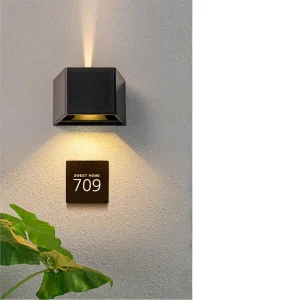
Engineered for extreme durability, weatherproofing, and maximum optical efficiency to suit dense urban landscapes.
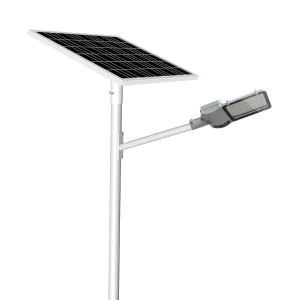
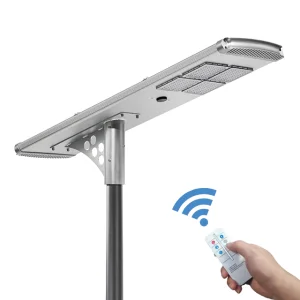
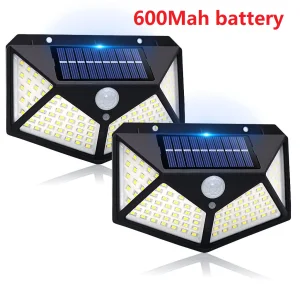
The Tokyo Metropolitan Government (TMG) has set ambitious targets under its "Zero Emission Tokyo" strategy, aiming to reduce carbon emissions by 50% by 2030 and achieve carbon neutrality by 2050. Within this regulatory framework, decentralized solar lighting systems—specifically smart, motion-activated illumination—have transitioned from auxiliary conveniences to mandatory structural features in architectural, municipal, and commercial development.
Tokyo's distinct geographical profile presents unique challenges: dense micro-climates, narrow public pathways ("roji"), strict earthquake-readiness regulations, and limited direct sunlight access in high-density residential and commercial districts. Consequently, modern procurement requires solar motion sensor lights that combine top-tier monocrystalline silicon panels with hyper-sensitive Passive Infrared (PIR) and microwave radar sensors. These systems ensure that zero energy is wasted, keeping lights dimmed until motion is detected, thus maintaining safety without draining valuable battery capacity.
The worldwide demand for solar outdoor lighting is surging, driven by utility cost escalation, clean-energy mandates, and grid vulnerability. Procurement teams globally prioritize long lifespan components over short-term savings.
Japanese industrial standards (JIS C 8105 series) mandate rigorous protection classes, thermal shock durability, and optical safety controls. Standard street lights must pass severe typhoon-simulation parameters.
Local Tokyo distributors face high operating costs. To stay competitive, buyers are forming strategic partnerships with advanced original equipment manufacturers (OEMs) in South China.
While Tokyo suppliers offer localized technical support, the underlying manufacturing power rests within specialized industrial clusters in Guangdong, China. Guangdong Habel Lighting Co., Ltd. (established in 2010) represents this manufacturing synergy. We offer direct-from-factory cost efficiencies combined with strict adherence to Japanese quality systems.
Our operations bridge the gap between high-volume production capabilities and custom engineering requirements:
Strong R&D and Technical Team: Our leadership team across R&D, quality control, production, and sales possesses 5 to 10+ years of domain experience in specialized LED and photovoltaic technology. This enables us to rapidly adapt, modify, and optimize solar luminaire outputs to meet specific local demands, including Japan's strict electrical testing specifications (PSE certification prerequisites).
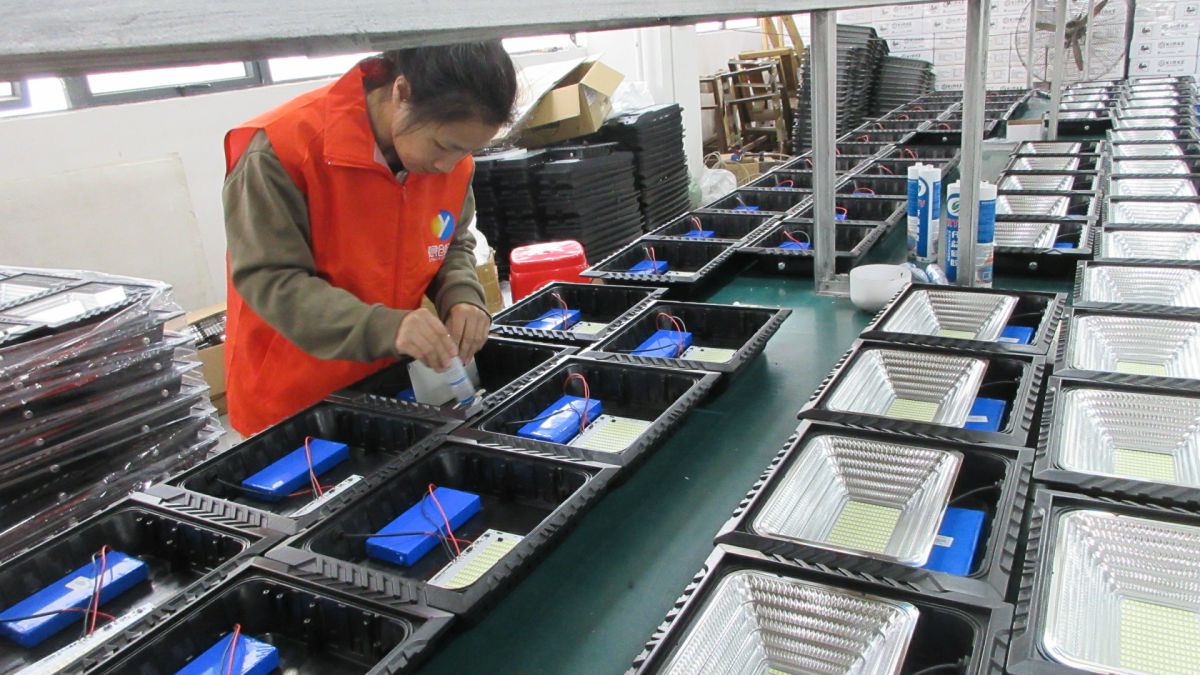
Adequate Material Inventory: We maintain a stable inventory of essential components, including high-purity monocrystalline panels, LiFePO4 battery pack assemblies, and high-efficiency SMD LED chips. This material reserve minimizes lead times and insulates international supply chains from seasonal price fluctuations.
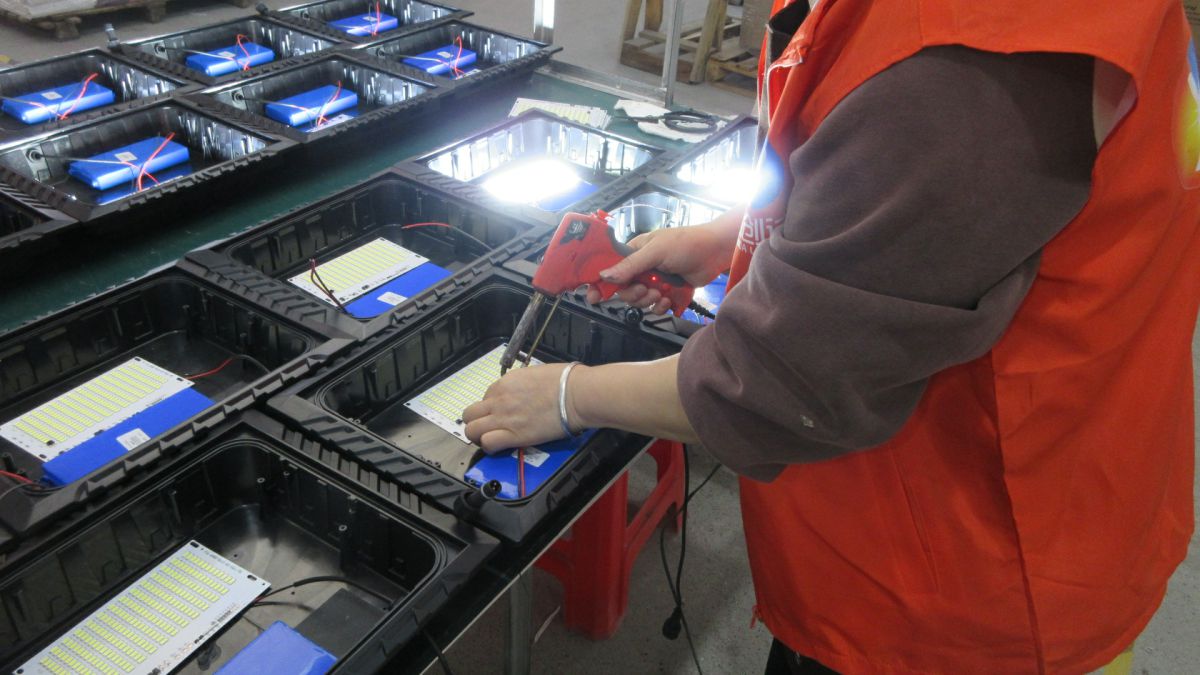
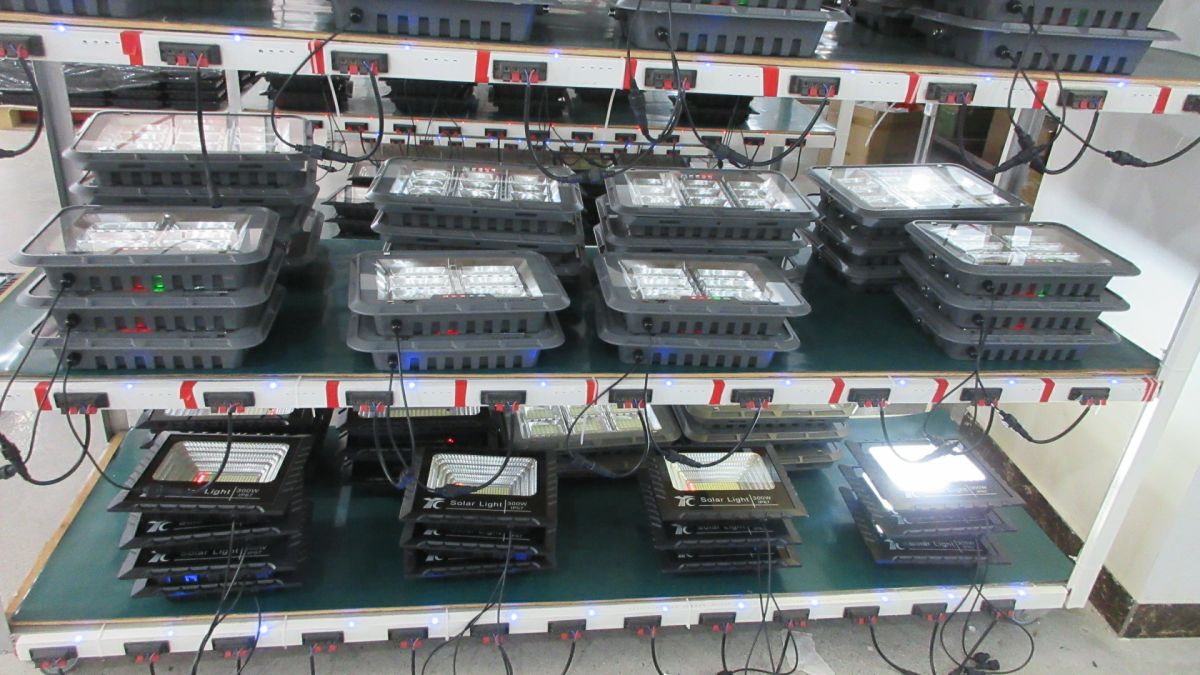
Strict Quality Inspection System: Led by a Quality Assurance Manager with 15+ years of specialist experience, our production line implements multi-stage inspections (incoming material checking, in-process checking, complete aging tests, and final pre-shipment sampling).
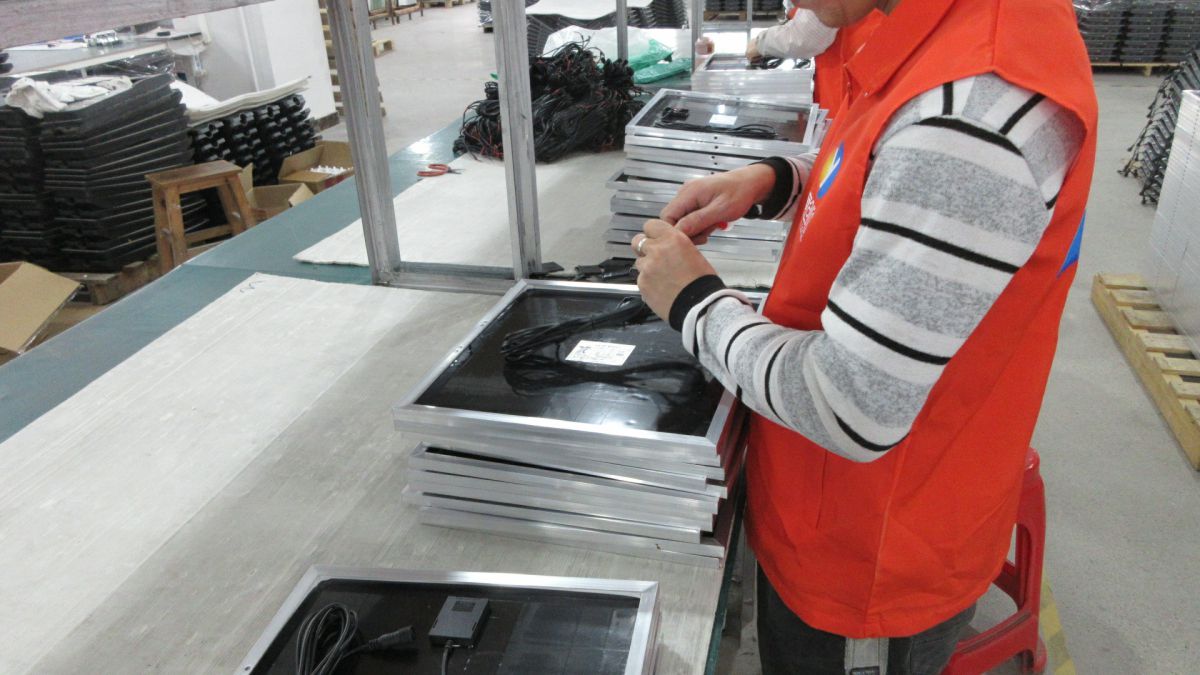
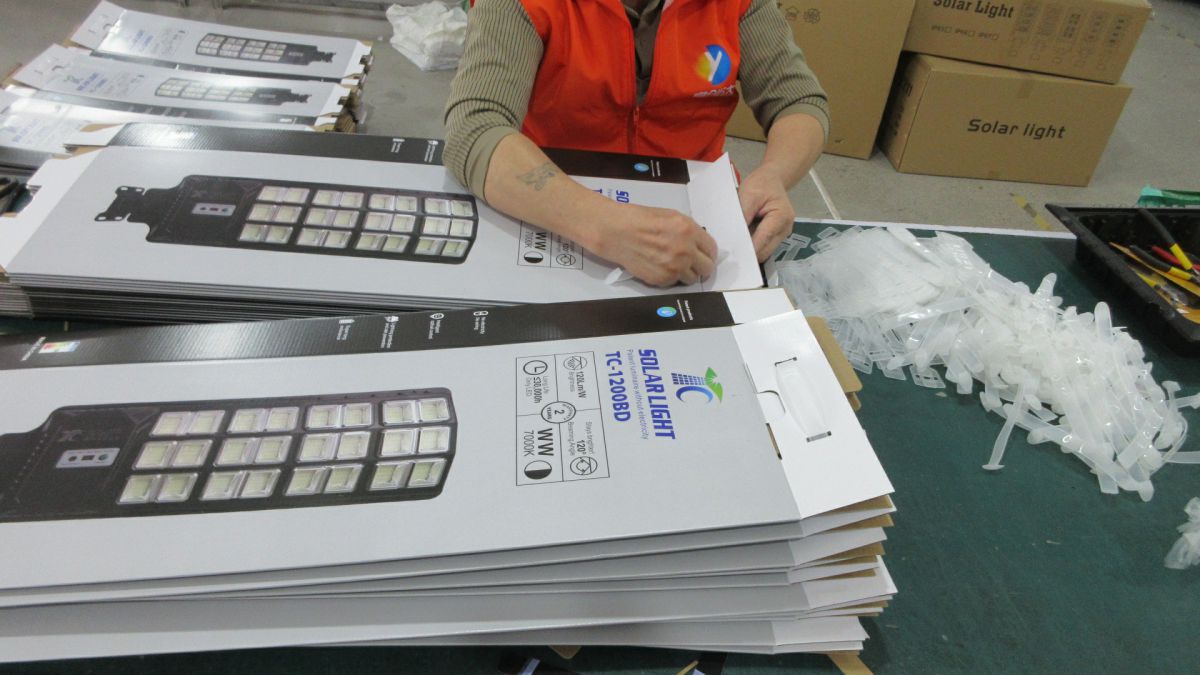
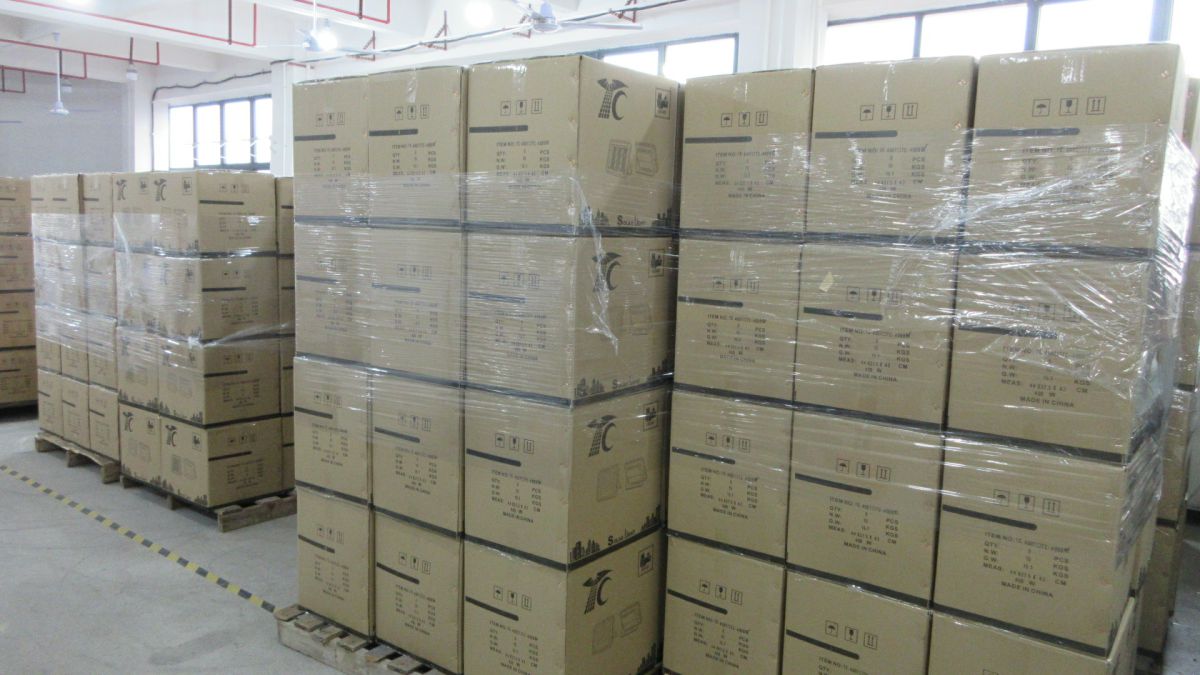
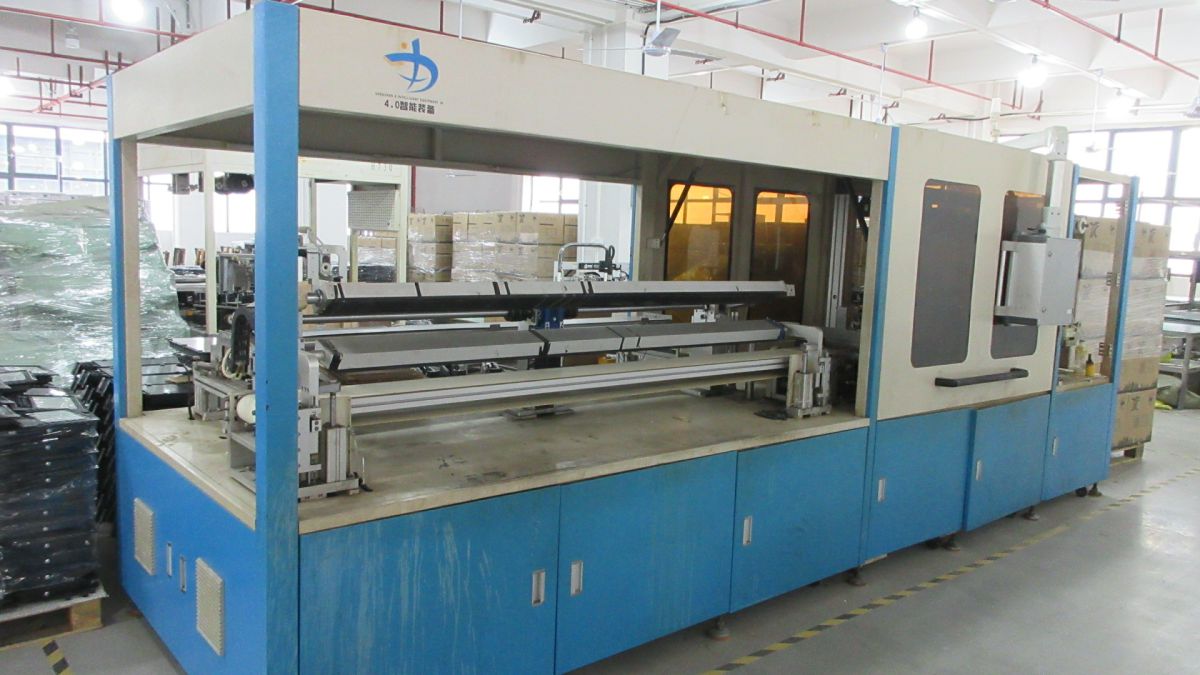
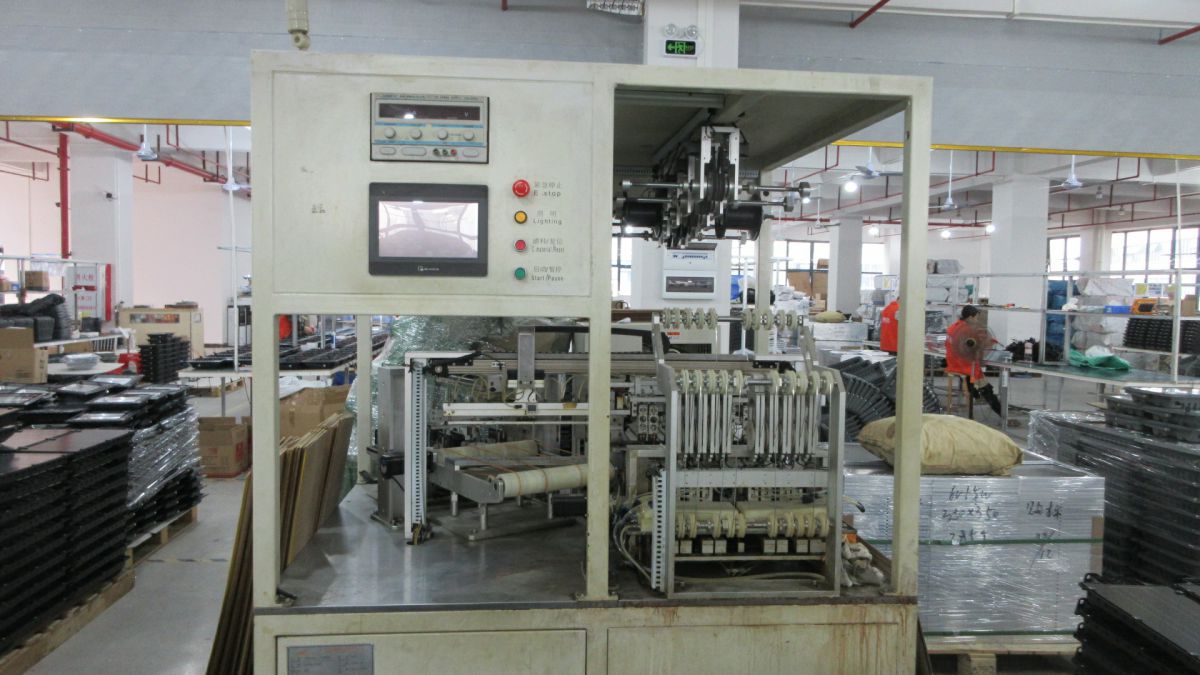
Take a look inside our ISO-certified production facility, illustrating the precision assembly steps of our solar motion sensor lights.
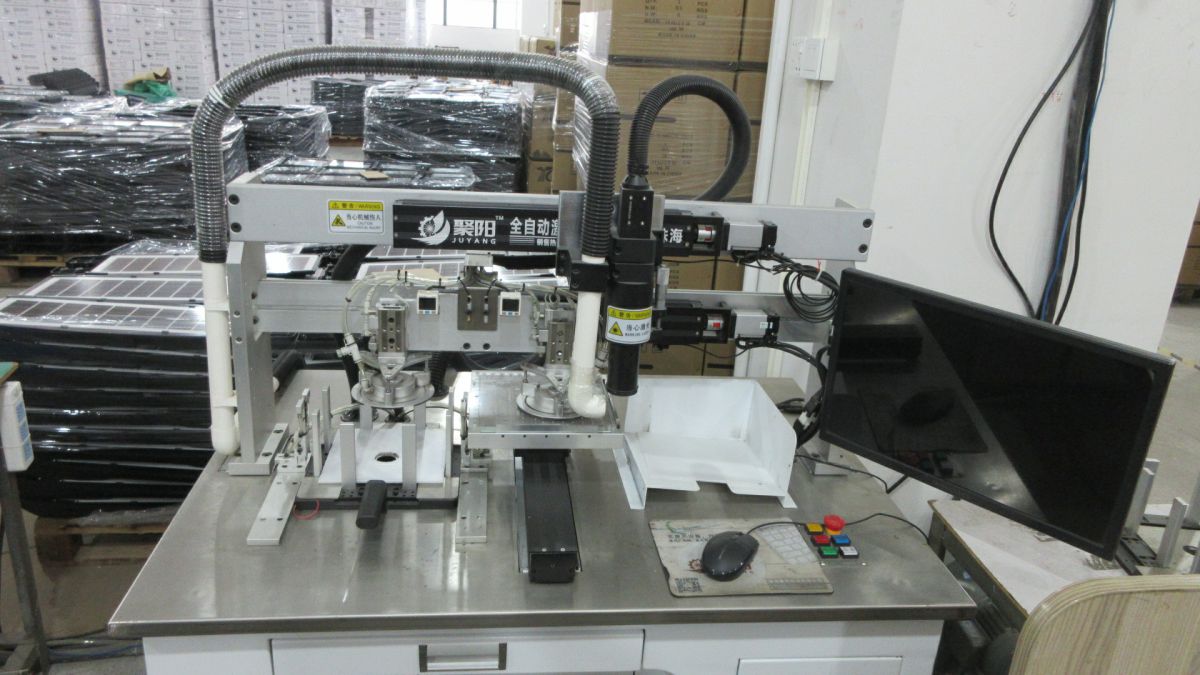
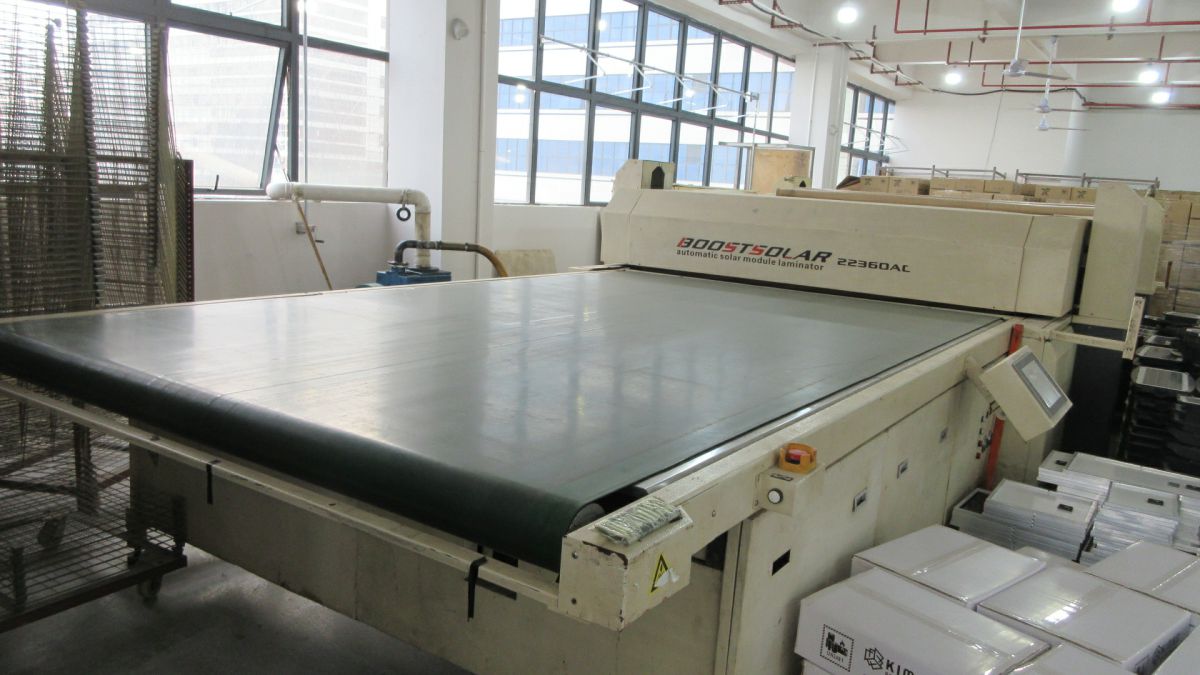
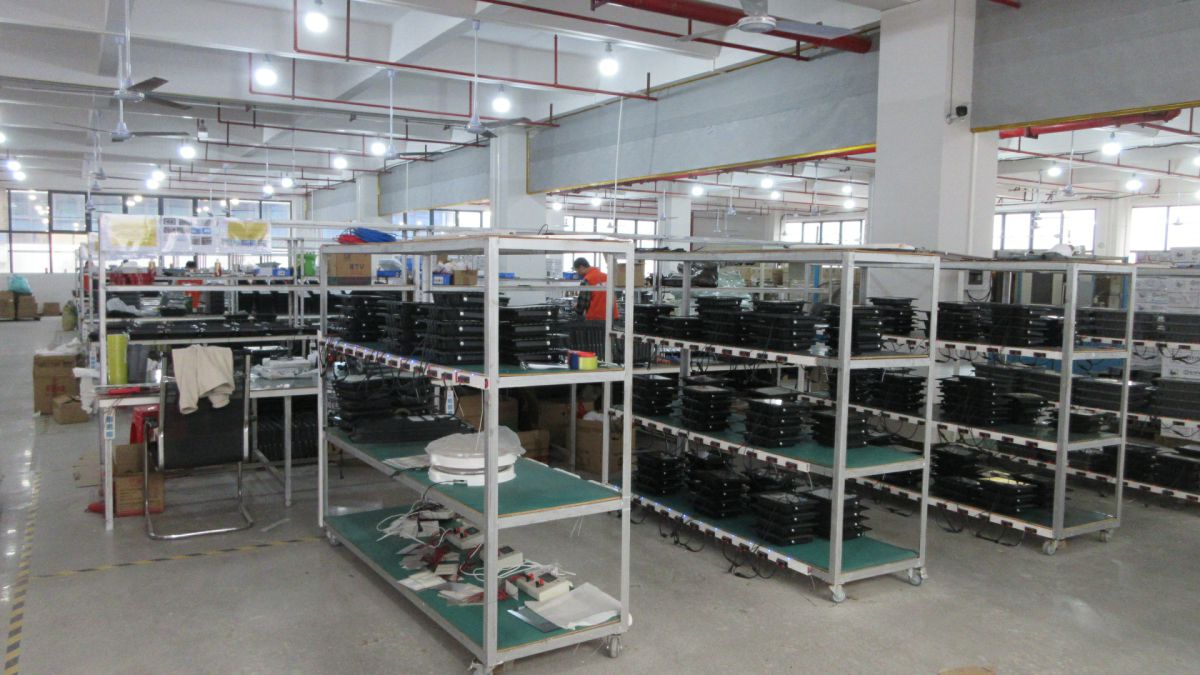
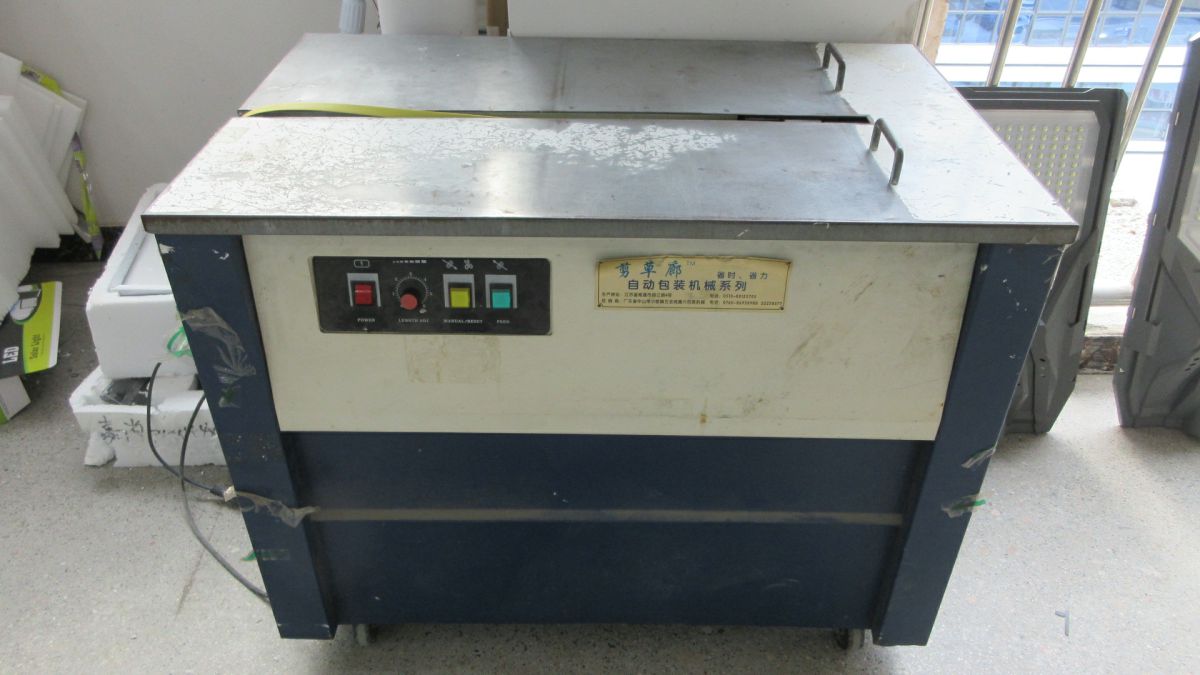
Deploying outdoor solar lights in a metropolis like Tokyo requires attention to specific localized environments:
In residential neighborhoods characterized by narrow, wind-susceptible streets, grid cabling is difficult. Compact, high-lumen solar wall lights with PIR motion sensors supply instantaneous illumination for residents, improving safety and preventing crime without creating light pollution in nearby homes.
Tokyo's busy harbor storage zones require stable, wire-free security illumination. Heavy-duty aluminum alloy solar street lights (like our 200W model) withstand coastal moisture and sea salt spray, providing autonomous illumination in areas without easy electrical access.
Tokyo's disaster preparedness codes recommend solar-powered emergency lighting. In the event of a severe earthquake disrupting the municipal power grid, motion-sensing solar lights continue to function, showing pathways to designated safety zones.
The global smart solar lighting sector is evolving rapidly. Key technological trends that procurement managers must follow include:
Older solar products relied on traditional lead-acid or nickel-metal hydride batteries, which degrade quickly under thermal stress. Industrial-grade solutions now require LiFePO4 chemistry, which offers over 2,000 charge cycles and retains capacity in temperatures ranging from -15°C to 60°C.
MPPT micro-controllers constantly monitor the output voltage of photovoltaic panels, adapting to shifting levels of solar radiation. This technique boosts battery charging efficiency by up to 30% compared to standard Pulse Width Modulation (PWM) systems. This is particularly useful in northern latitudes or during Tokyo's rainy season.
Passive Infrared (PIR) sensors detect heat signatures, minimizing false triggers from wind-blown debris. Microwave radar sensors provide wider detection angles and can sense movement through plastic covers. High-performance solar lights combine these sensor systems to match different installation layouts.
Explore our full catalog of motion-sensor solutions, optimized for commercial, industrial, and residential projects.
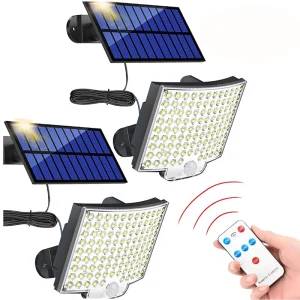
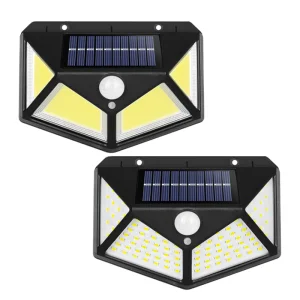
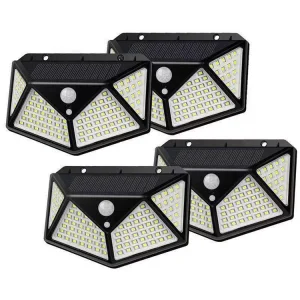
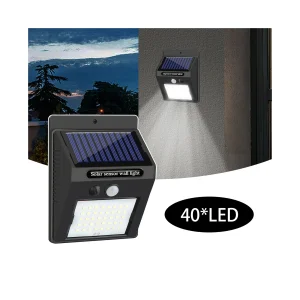
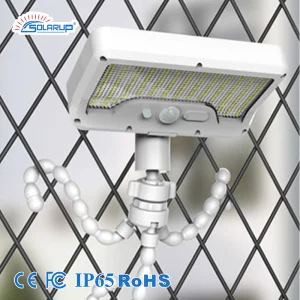
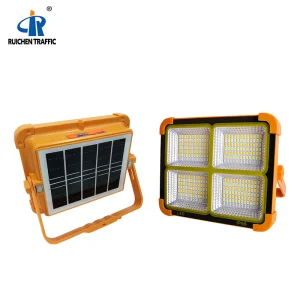
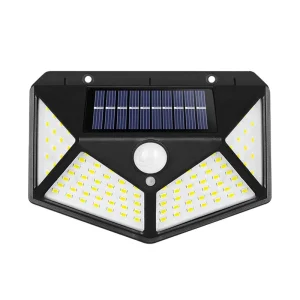
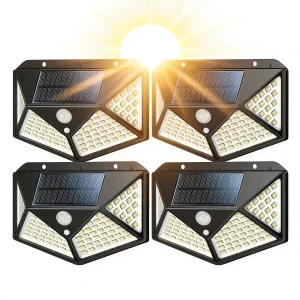
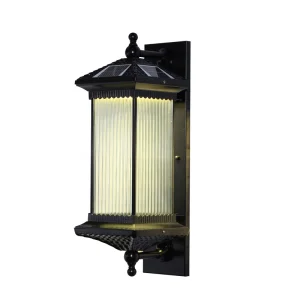
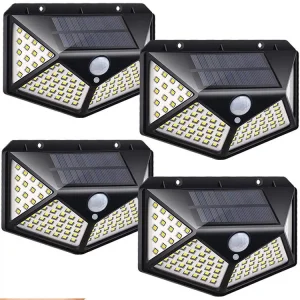
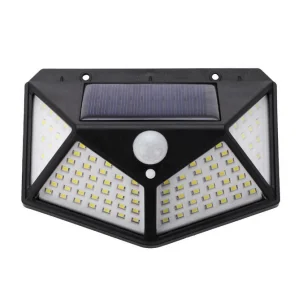
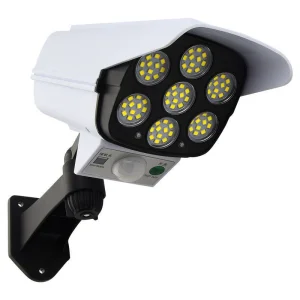
Technical answers to typical procurement questions regarding solar motion sensor lights in the Japanese market.
Our solar lights use monocrystalline silicon panels with high conversion efficiency. These are paired with smart power management system (PMS) microchips that automatically scale dimming and standby settings depending on battery levels. Even during consecutive cloudy winter days in Tokyo, the lights retain enough power for emergency motion-sensor activations.
Yes. We design and manufacture our products to comply with international specifications (including CE, RoHS, FCC, and IP65/IP66 ingress protection ratings). We also support our Japanese import partners in completing the tests required for localized compliance, such as JIS testing and PSE guidelines.
Standard catalog items are available with low MOQ thresholds due to our ready-to-use raw material inventory. For custom OEM or ODM packaging and chassis revisions, the MOQ typically ranges from 500 to 1,000 units. Shipments from our Guangdong factory to the Port of Tokyo or Port of Yokohama generally arrive within 10 to 15 days after departure.
Lithium Iron Phosphate (LiFePO4) batteries offer key advantages: a long lifespan (over 2,000 charging cycles), thermal stability, and safety. Unlike traditional Lithium-ion or Lead-acid cells, LiFePO4 batteries carry no risk of thermal runaway and function reliably in seasonal outdoor conditions.