Engineered for maximum optical performance, durability, and high energy-efficiency in commercial settings.

A Comprehensive Industry Analysis & Sourcing Strategic Whitepaper
Established in 2010, Guangdong Habel Lighting Co., Ltd. has grown to become a benchmark manufacturer and exporter in the international LED lighting market. Our state-of-the-art facilities are dedicated to the design, rigorous development, and large-scale production of high-performance LED indoor lighting and highly engineered LED outdoor area solutions. Over the past fifteen years, we have built a stellar reputation across North America, Europe, and Asia-Pacific by maintaining an unwavering commitment to innovative technology, stable supply chains, and client-centric service modules.
Supported by a robust and multi-disciplinary Research & Development team, Habel Lighting remains at the absolute forefront of solid-state lighting science. By introducing dozens of patented products annually, we empower global distributors, commercial project contractors, and municipal authorities with access to the latest energy-efficient, long-lifespan, and high-lumen lighting technologies. In an era dominated by smart cities and carbon neutrality goals, we seamlessly deliver OEM and ODM services to adapt to specialized regional requirements. Our overarching mission is to construct long-term B2B alliances, accelerating global transformation toward environmental sustainability and operating cost-efficiency.
In the highly competitive commercial outdoor lighting sector, Habel Lighting differentiates itself through direct control of core manufacturing stages and strict compliance alignment:
Our cross-functional leadership team brings 5–10+ years of domain experience. We quickly transform custom specifications into functional, thermal-optimized, and high-efficiency prototypes.
We maintain deep reserves of high-conductivity aluminum casings, top-tier LED chips, and constant-current drivers, reducing production lead times and insulating clients from price fluctuations.
Managed by an industry veteran with 15+ years of inspection expertise, our quality control process checks all incoming materials, inline processes, and post-assembly aging parameters.
A closer look at how automated production lines translate into robust quality, shorter lead times, and global competitiveness.
Modern wholesale sourcing demands absolute manufacturing transparency. The core of Guangdong Habel Lighting's efficiency lies in our integration of automated assembly lines and specialized tooling. By reducing manual interaction, we prevent defects related to electrostatic discharge (ESD) and uneven sealing. From precise silicone adhesive dispensing to high-throughput surface mount technology (SMT) and automated solar panel welding, each step is optimized.
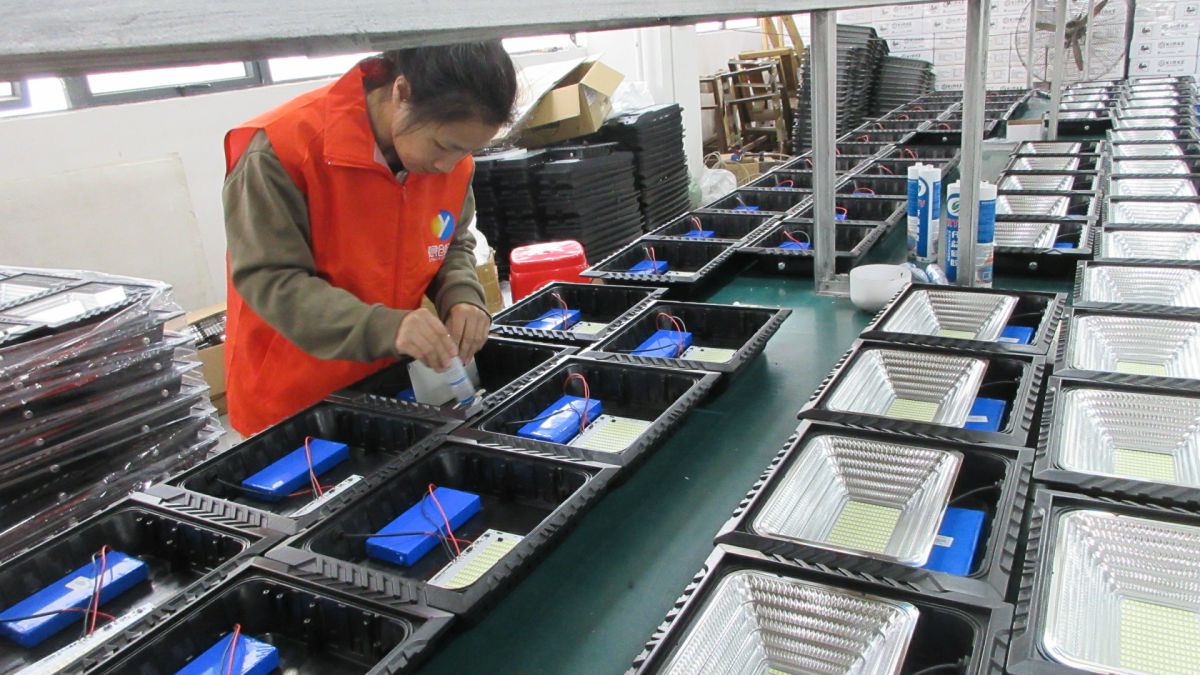
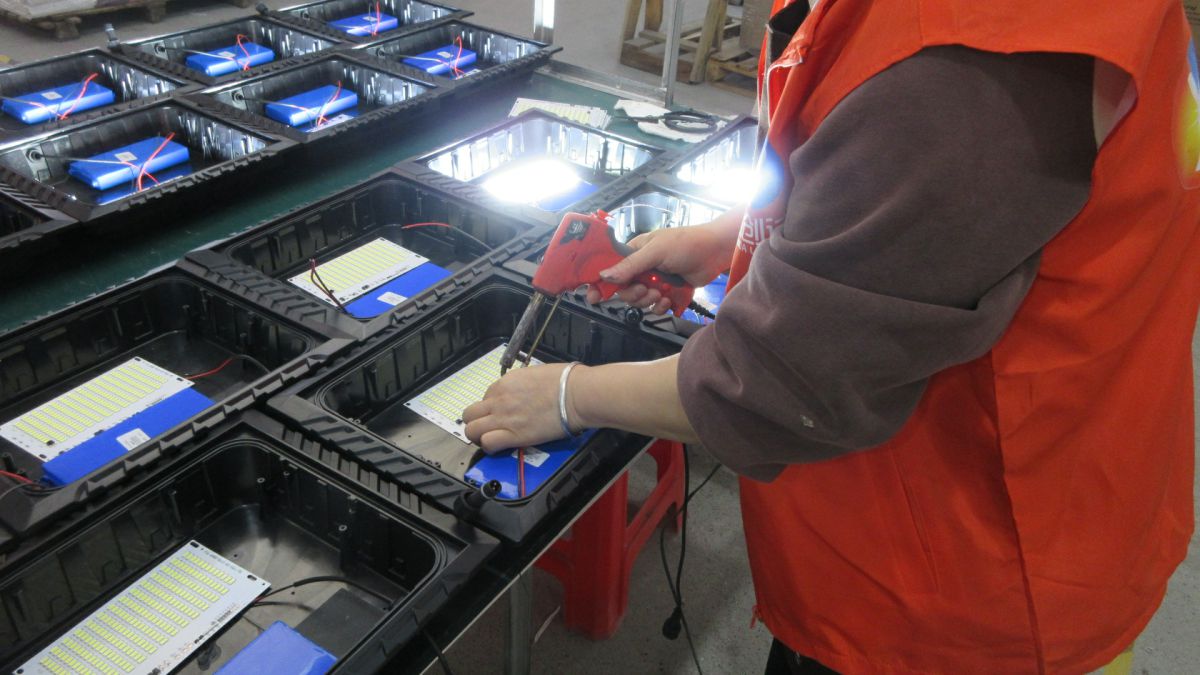
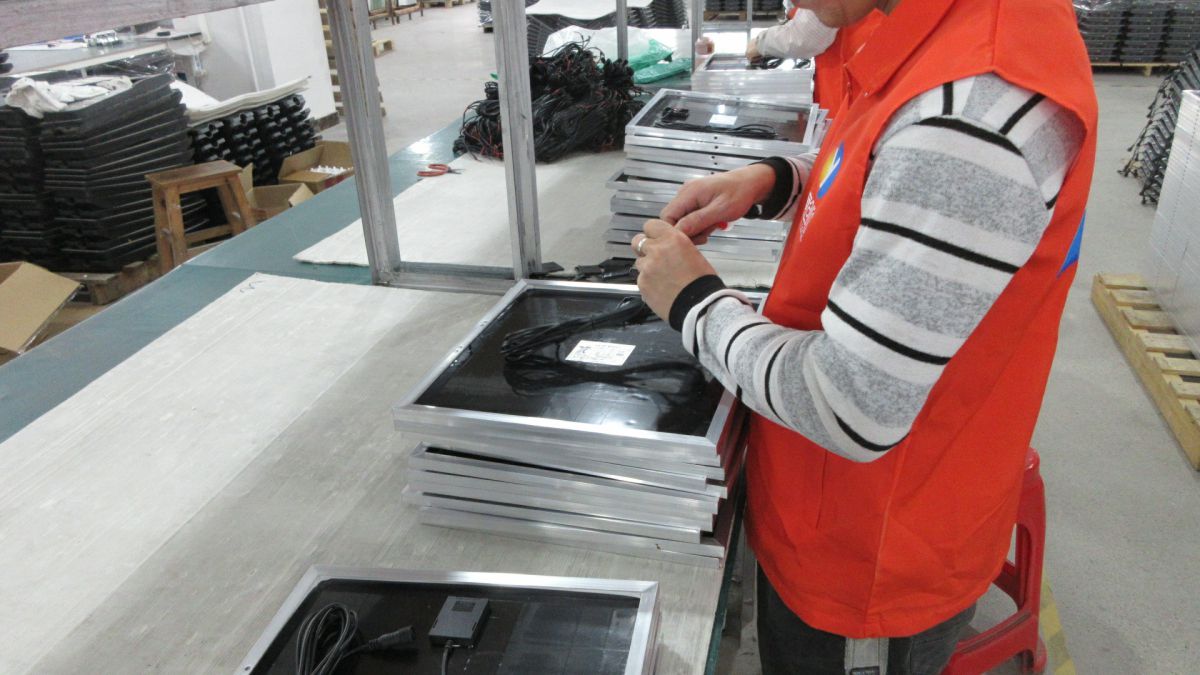
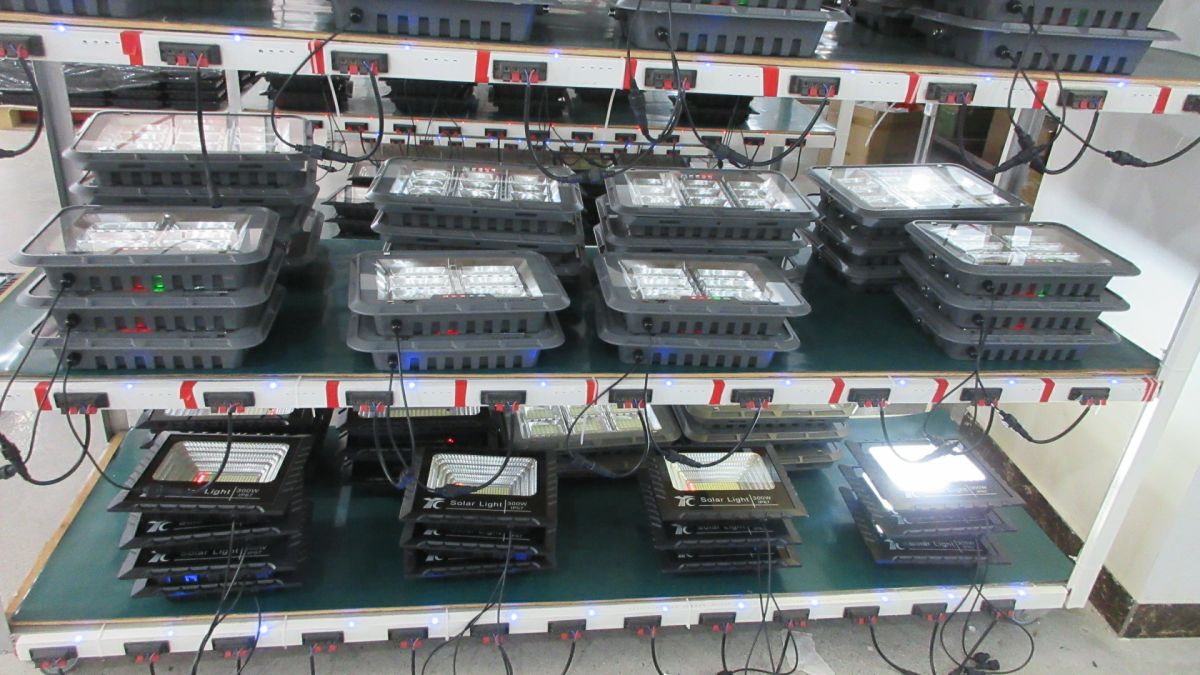
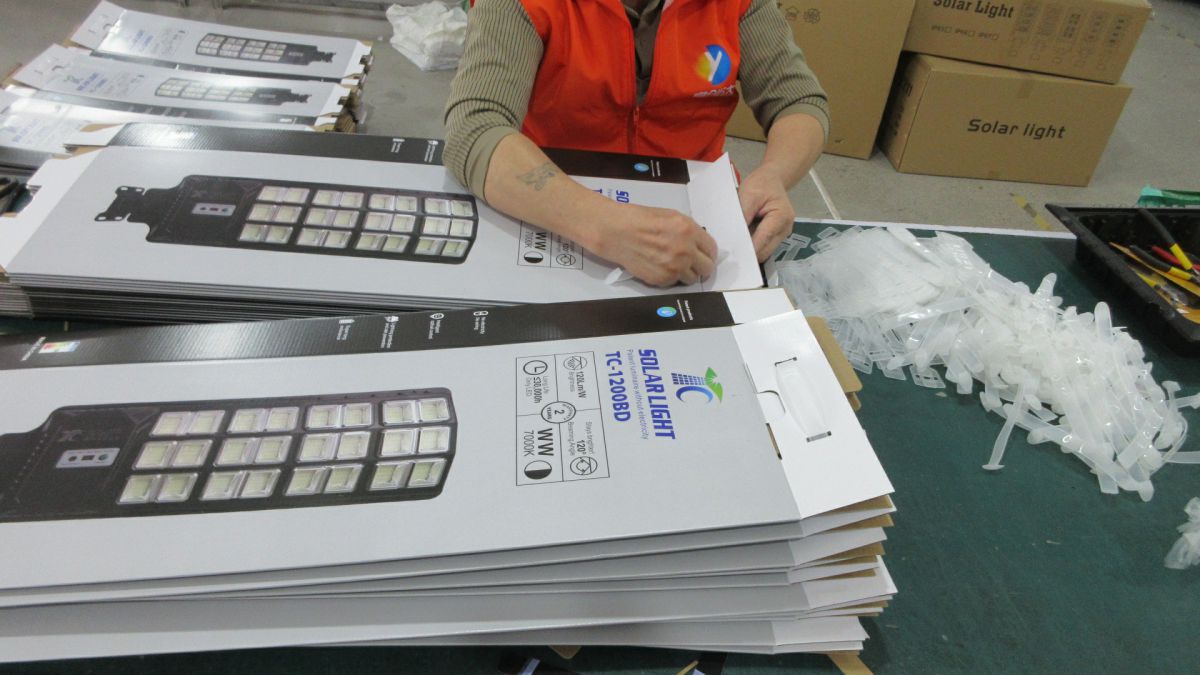
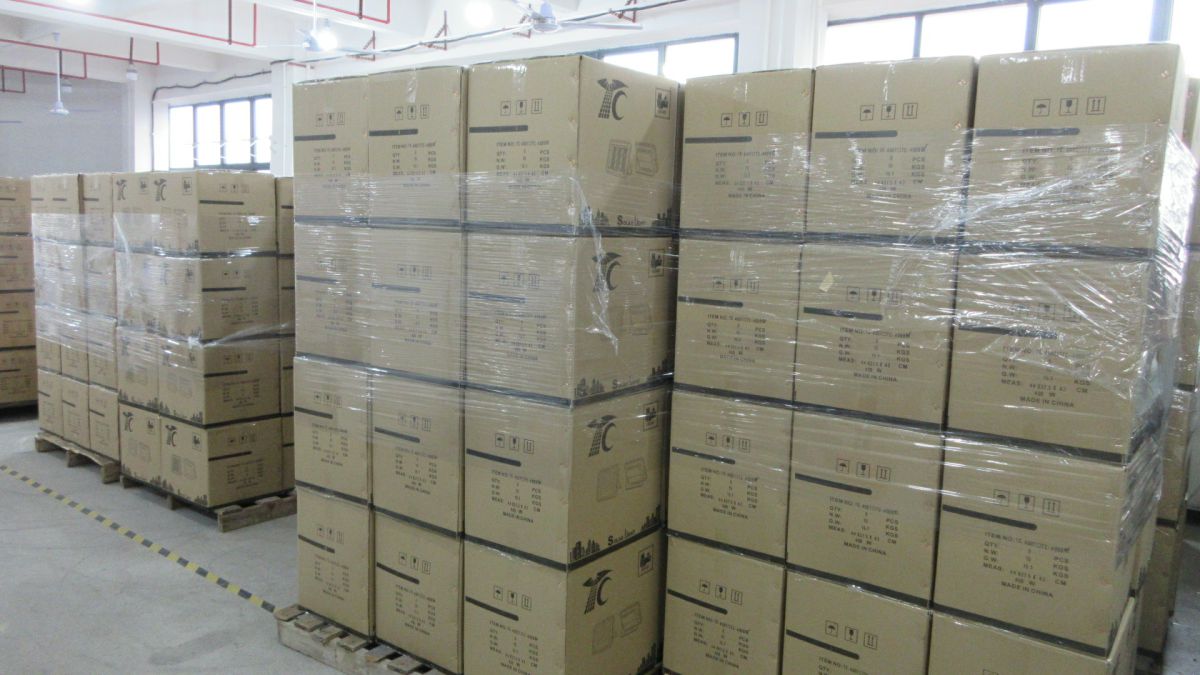
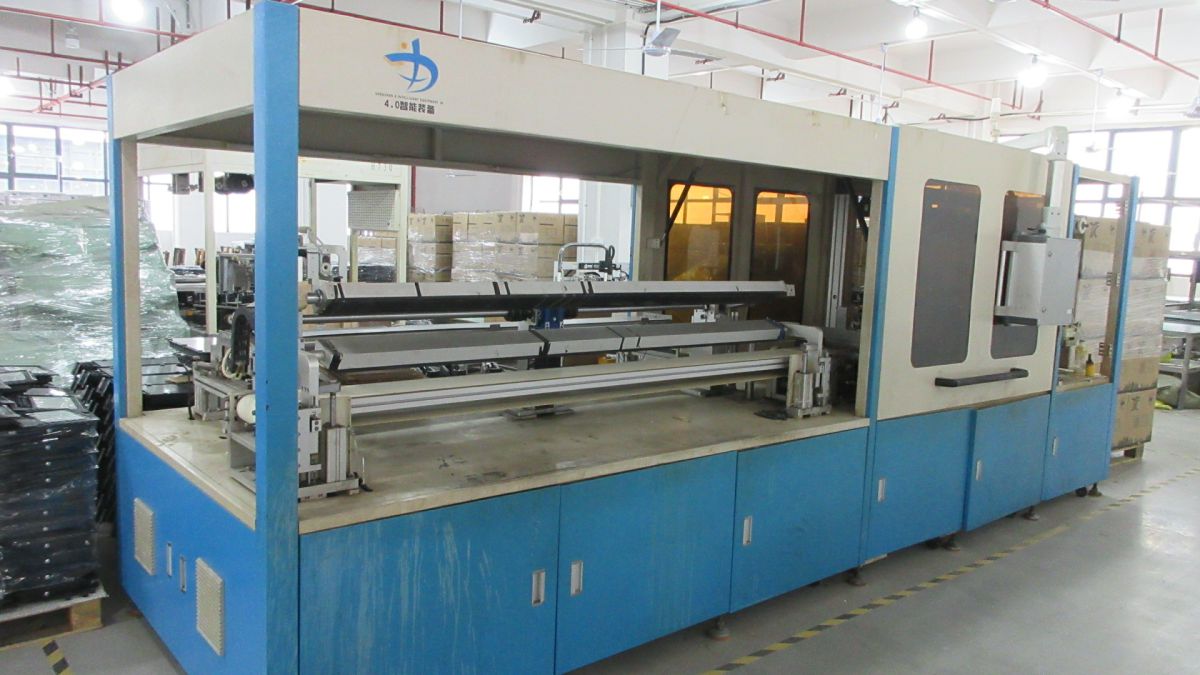
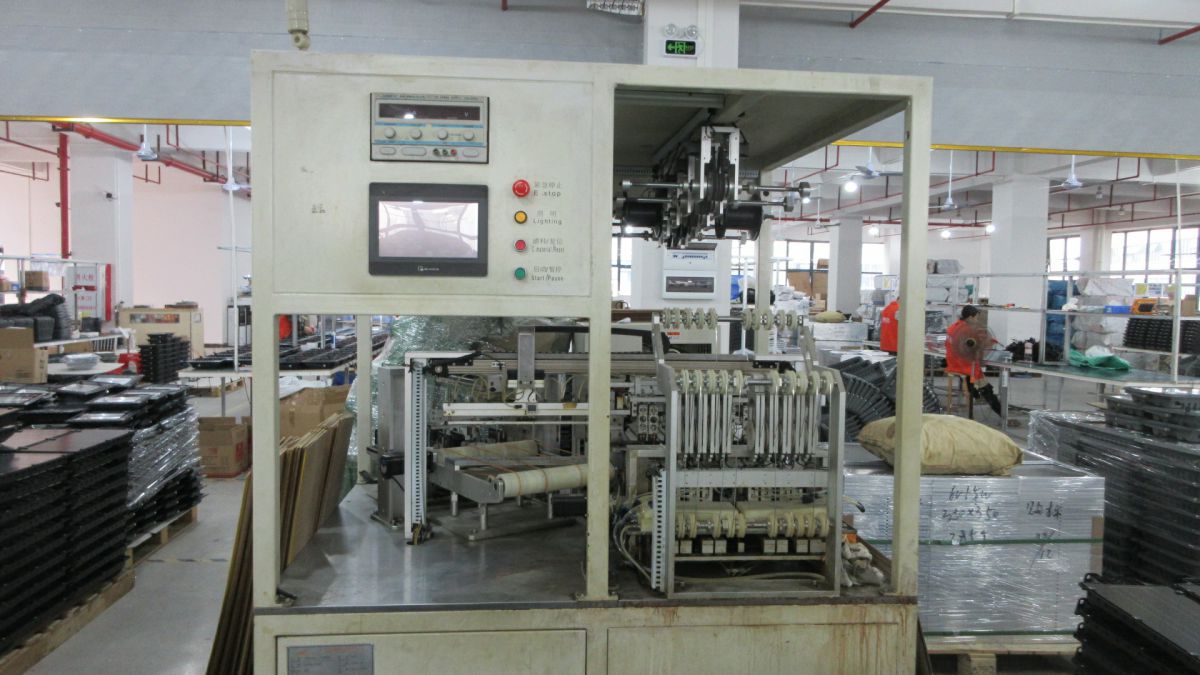
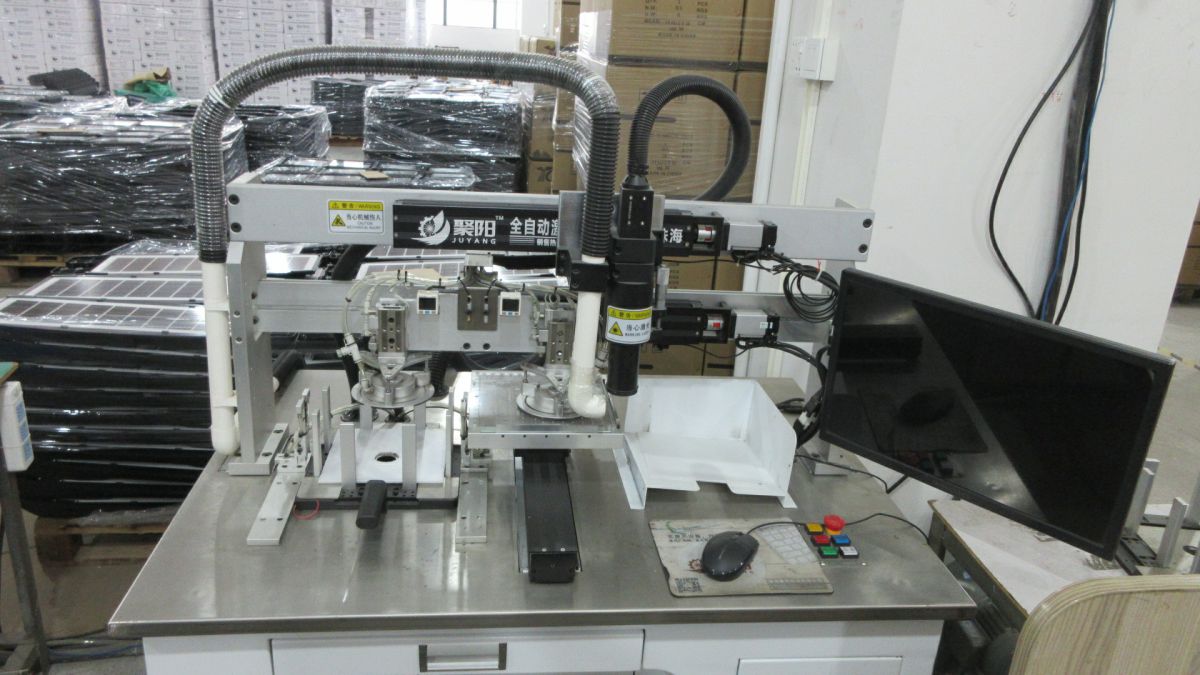
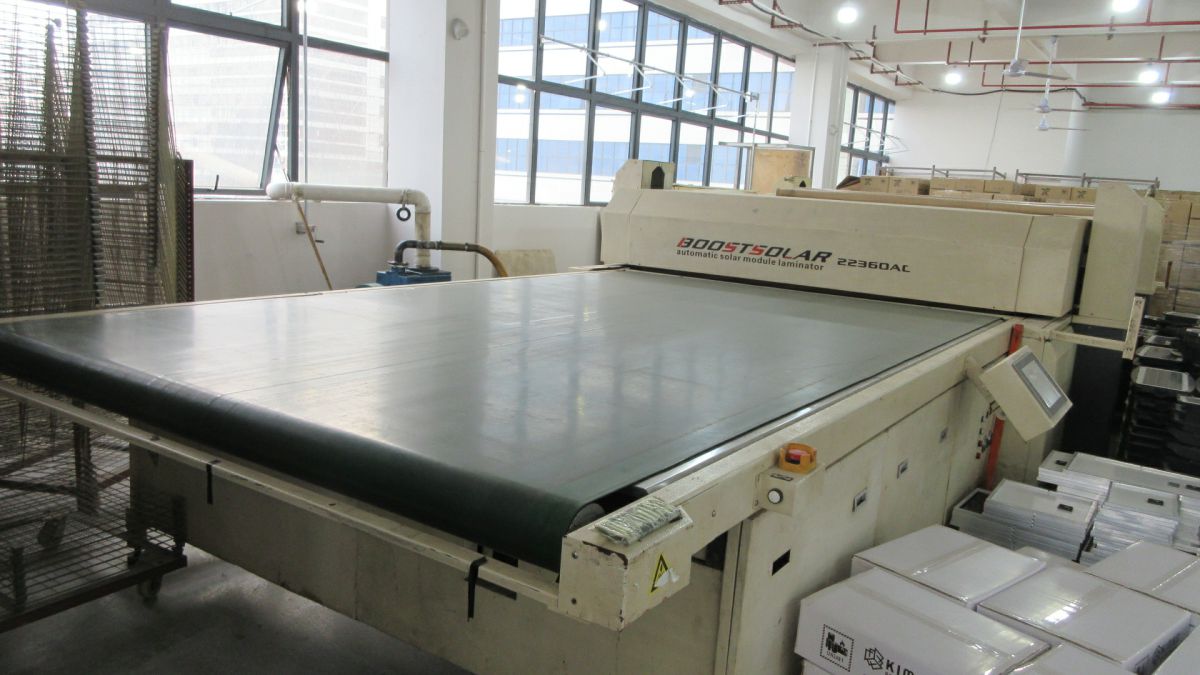
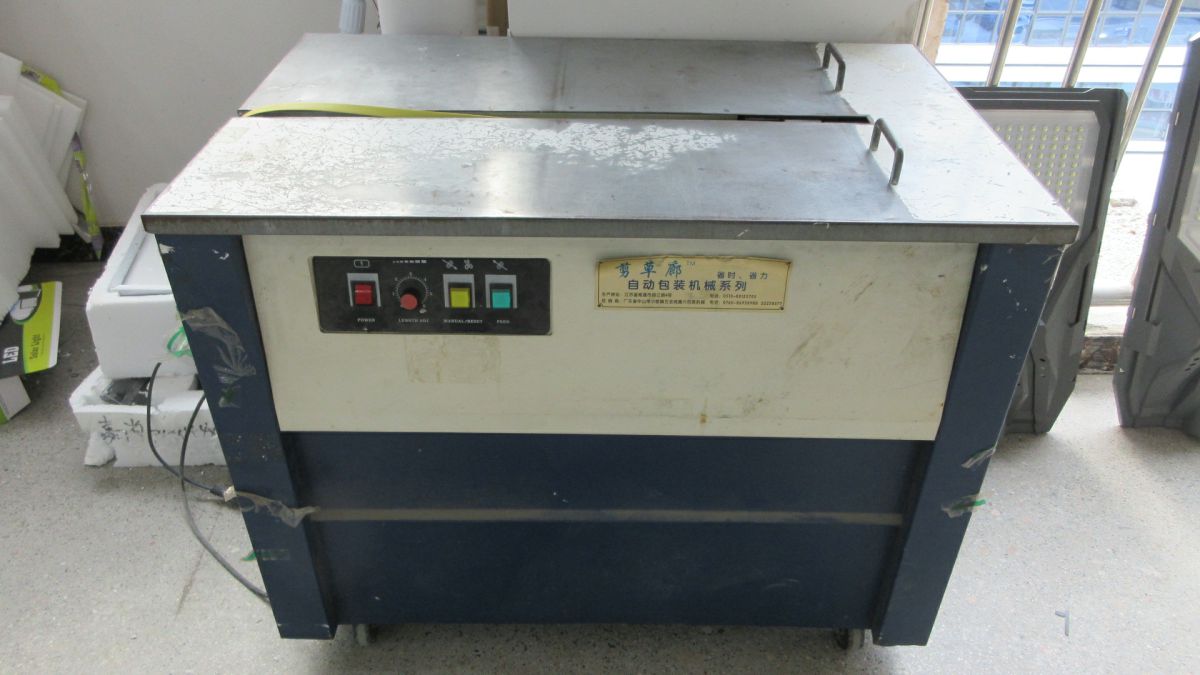
"By employing specialized solar cutting, pressing, and high-precision welding machinery, we ensure that every outdoor luminaire withstands ambient temperature fluctuations and mechanical stresses over its rated 50,000 to 100,000-hour service lifespan."
This level of vertical integration not only stabilizes the bill of materials (BOM) cost but also guarantees consistent construction parameters. For municipal contractors and commercial developers, this translates to reduced field failure rates and lower maintenance costs.
Analyzing key advancements in luminaire efficiency, thermal dynamics, and optical wave shaping.
The commercial lighting industry is transitioning toward ultra-high efficacy systems. Modern LED parking lot lights utilize advanced SMD5050 and SMD3030 chip architectures, achieving package-level efficacies of 150 lm/W to 200 lm/W. This efficiency dramatically reduces system wattage while delivering the high candela levels required for security and safety. High luminous flux density ensures that parking spaces, access lanes, and pedestrian walkways receive uniform illumination with minimal glare.
Proper glare control and targeted light distribution are essential for commercial real estate. LED parking lot luminaires employ specialized PMMA or Polycarbonate lenses to shape light patterns for specific applications:
The integration of controls is reshaping the outdoor lighting market. Modern fixtures feature standard NEMA 3-pin, 5-pin, or 7-pin receptacles, as well as the more compact Zhaga Book 18 sockets. These interfaces allow the plug-and-play installation of photocells, motion sensors, and wireless nodes (utilizing Zigbee, LoRaWAN, or NB-IoT protocols). Integrated systems support real-time energy monitoring, diagnostic fault reporting, and astronomical timer programming, allowing facilities to dim lights to 30% during low-traffic periods to cut operational costs.
A structured approach to vetting Chinese LED manufacturers, verifying compliance certifications, and ensuring long-term project ROI.
Sourcing LED parking lot lights at scale involves assessing multiple technical parameters beyond initial unit cost. The total cost of ownership (TCO) is heavily influenced by optical efficiency, warranty support, driver reliability, and thermal design. Below is a comparative overview of typical commercial lighting specifications and sourcing considerations:
To protect capital investments, global procurement teams must request detailed verification documentation. This includes LM-79 (luminaire optical measurements), LM-80 (LED chip lumen maintenance curves), and TM-21 projection reports. These certified tests confirm long-term system performance and help secure regional energy rebate programs (such as DLC Premium in the United States or CE compliance flags in Europe).
When importing LED outdoor luminaires, navigating compliance requirements is critical to avoiding customs hold-ups or electrical inspection failures at the installation site. Our production processes conform to international standards, ensuring that Habel Lighting products meet relevant regional criteria:
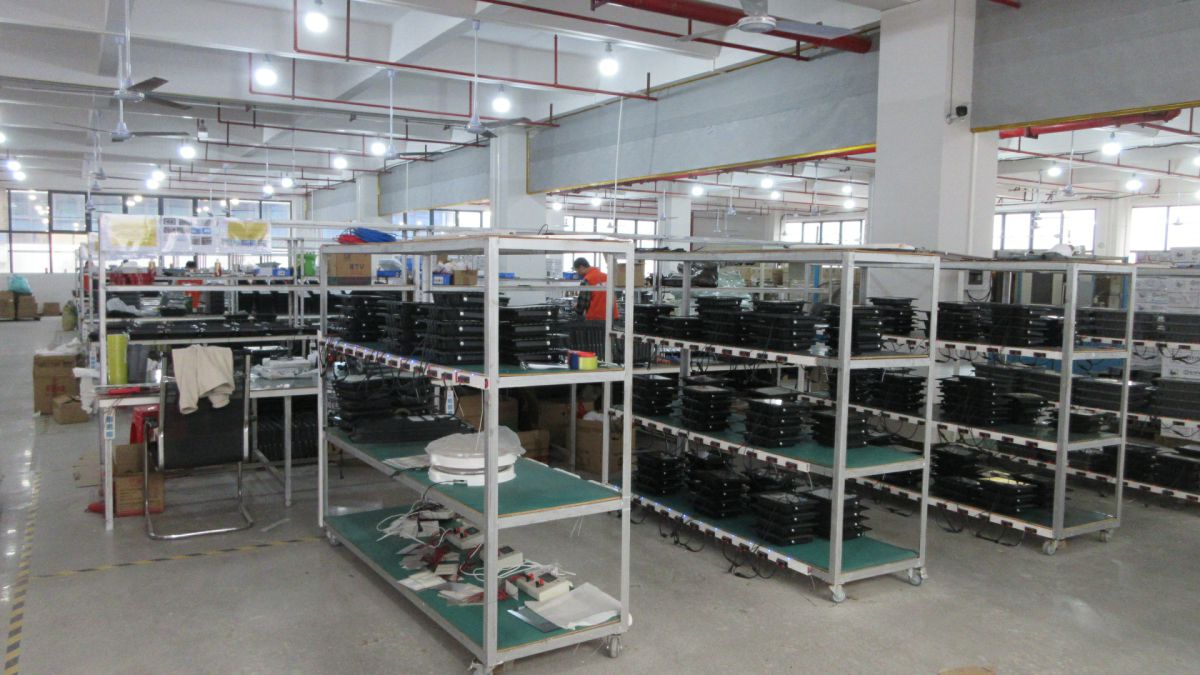
Our quality assurance program is built on extensive industry experience. We implement three layers of physical inspection: Incoming Quality Control (IQC) to verify component parameters, Input Process Quality Control (IPQC) to check line assembly integrity, and Final Quality Control (FQC). Additionally, every batch of outdoor luminaires undergoes an intensive burn-in/aging test on our specialized test tables, verifying structural seal integrity and thermal stability before final export packaging.
Detailed answers to key technical questions from procurement officers, engineering consultants, and installation professionals.
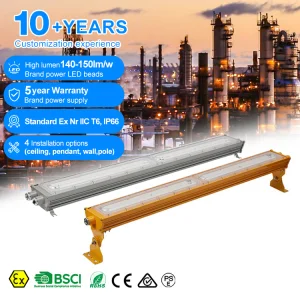
Certified emergency systems, solar street luminaires, and explosion-proof linear solutions designed for demanding environments.
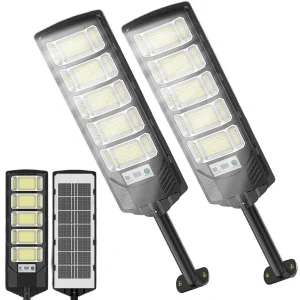
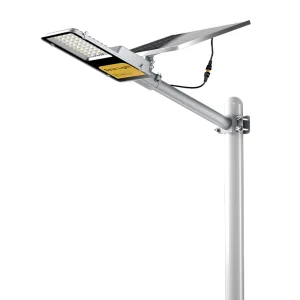
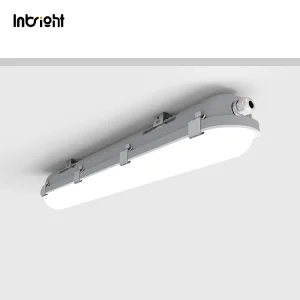
 Habel Lighting