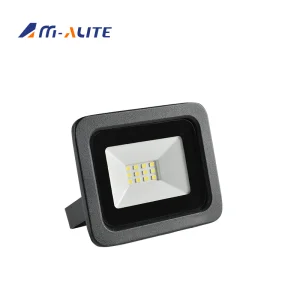
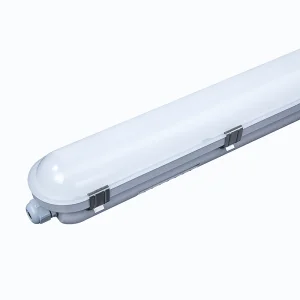
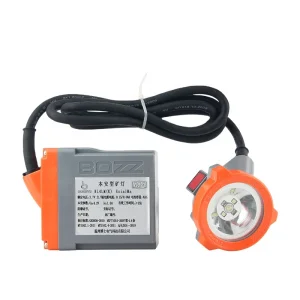
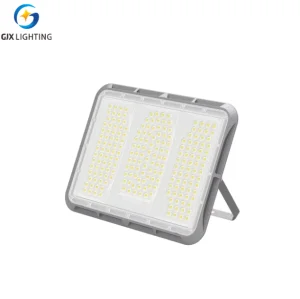
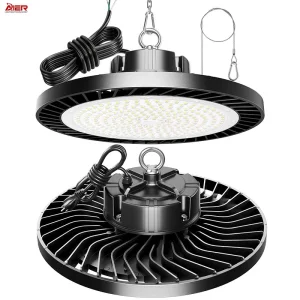
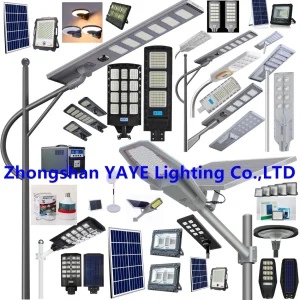
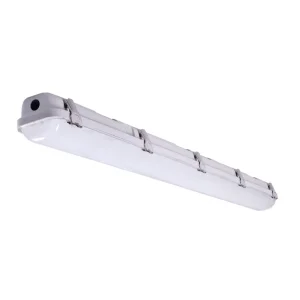
High-luminous efficacy configurations, extreme ingress protection, and rugged explosion-proof infrastructure lighting solutions engineered for global performance.
The intersection of solid-state illumination physics, sustainable infrastructure, and regional compliance matrices.
In the contemporary B2B procurement environment, selecting industrial-grade LED flood lighting systems has transitioned from a basic transactional purchase to a critical long-term infrastructure investment. Driven by international climate policies, carbon neutrality initiatives, and strict safety rules, global industrial operations are reassessing their energy consumption. LED floodlights serve as the foundation of exterior illumination, security, and functional output in ports, mining areas, oil refineries, and expansive shipping hubs.
From an ESG (Environmental, Social, and Governance) perspective, replacing legacy High-Intensity Discharge (HID) and Metal Halide (MH) luminaires with advanced solid-state LED configurations delivers immediate energy savings of 60% to 80%. When integrated with smart lighting control networks, such as DALI-2, Zigbee, or cellular-connected photocells, total operating expense (OPEX) reductions can surpass 85%. Today's global supply chain relies on high uptime, rendering standard residential lighting designs ineffective for demanding industrial environments.
Governments worldwide are accelerating the phase-out of inefficient lighting technologies. Strict efficiency standards require light outputs exceeding 140 lm/W. As a result, standard products are being replaced by high-performance luminaires engineered for maximum photopic efficacy.
Heavy industries function in challenging environments, including offshore marine sites with salty air, sub-zero logistics operations, and chemical plants with explosive vapors. The modern LED floodlight must be engineered to resist galvanic corrosion, mechanical shocks, and extreme temperatures.
Modern flood lighting works beyond simple illumination. By integrating IoT sensors, smart municipal cameras, dynamic dimming arrays, and predictive maintenance capabilities, industrial facilities can transform static light structures into intelligent data collection points.
Analyzing driver efficiency, heat management, light distribution curves, and component longevity parameters.
A reliable LED floodlight depends on three primary subsystems: Thermal Management, Power Conversion (Driver Technology), and Optical Beam Shaping. When industrial buyers evaluate different manufacturers, looking past marketing claims to examine engineering data sheets is critical for long-term reliability.
High-power LED chips emit significant heat per unit area. Habel units feature die-cast ADC12 aluminum housings with thermal conductivity ratings up to 96 W/m·K. This system reduces junction temperature (Tj) to below 75°C when operating at a 25°C ambient temperature. Lower junction temperatures help prevent lumen degradation and color shifting over time.
Using premium Class I LED drivers (including Mean Well and Sosen lines) ensures electrical conversion efficiency reaches 94%. These driver configurations offer low Total Harmonic Distortion (THD < 15%) and high Power Factor (PF > 0.95). In addition, built-in 10kV/20kV surge protection shields the sensitive LED array from utility line surges.
Our custom optical layouts use high-transmittance, UV-stabilized polycarbonate lenses. Offering diverse beam angles (including symmetric 30°/60°/90°/120° and asymmetric options), Habel lighting systems deliver uniform ground coverage, reducing light pollution and preventing glare for field personnel.
| System Category | Common Industry Standard | Habel Engineered Standard | Operational Advantage |
|---|---|---|---|
| Luminous Efficacy | 100 - 120 Lm/W | 140 - 170 Lm/W | Reduces energy consumption by up to 35% at identical light outputs. |
| Surge Suppression | 2kV - 4kV (Standard) | 10kV - 20kV (Differential/Common Mode) | Protects internal drivers during lightning storms and grid switching. |
| Corrosion Resistance | Standard Powder Coating | Marine Grade C5-M Electrophoresis & Fluorocarbon | Resists salt mist damage in marine environments for over 10 years. |
| Protection Rating | IP65 (Basic Ingress) | IP66 / IP67 / IP68 (Dual Chamber Sealing) | Prevents high-pressure moisture ingress and condensation buildup. |
A leading solid-state lighting manufacturer specializing in high-power industrial and solar integration designs since 2010.
Guangdong Habel Lighting Co., Ltd. was established in 2010. We are a professional manufacturer and exporter specializing in the design, development, and production of LED indoor lighting products and LED outdoor lighting solutions. Over the years, we have built a strong reputation in the lighting industry through continuous innovation, reliable quality, and customer-oriented service.
We are equipped with a powerful R&D team that continuously develops new products every year, ensuring our customers always have access to the latest advancements in lighting technology. By staying at the forefront of LED innovation, we are able to deliver energy-efficient, durable, and high-performance lighting solutions for a wide range of applications.
With extensive industry experience and strong technical know-how, Guangdong Habel Lighting has successfully maintained its competitive advantage in the global LED lighting market.
We are committed to building an international lighting brand and actively provide OEM and ODM services to partners worldwide. Our mission is to deliver outstanding lighting solutions that help customers achieve their goals in energy efficiency, sustainability, and cost-effectiveness. We believe in creating long-term partnerships and working together to illuminate a greener and brighter future.
Inside our advanced manufacturing center: raw materials, assembly lines, automated machinery, and quality control systems.
Product reliability depends on strict quality control. Guangdong Habel Lighting manages a modern production floor equipped with specialized machinery for assembly, testing, and processing. Every assembly stage follows ISO 9001:2015 standards, ensuring each shipped luminaire matches the performance of our laboratory prototypes.
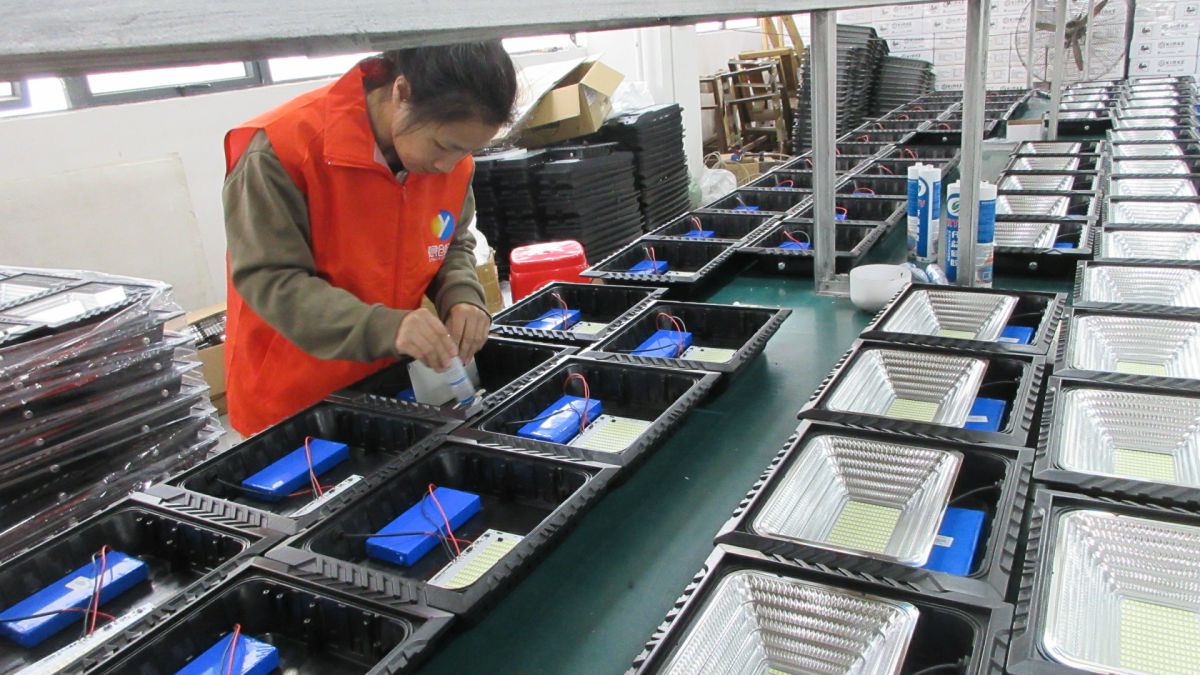
Automated glue dispensing machines apply continuous silicone beads to the housing joints, guaranteeing reliable IP66 protection.
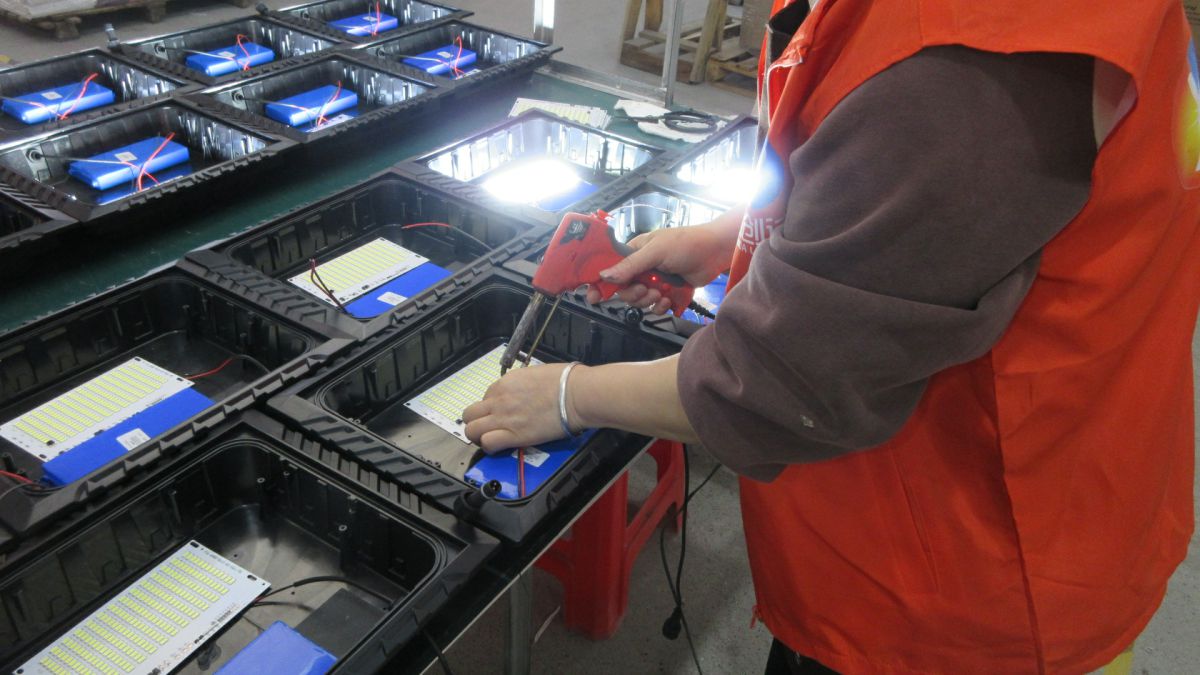
Clean electrical connections prevent resistive voltage drops and component fatigue during operation.
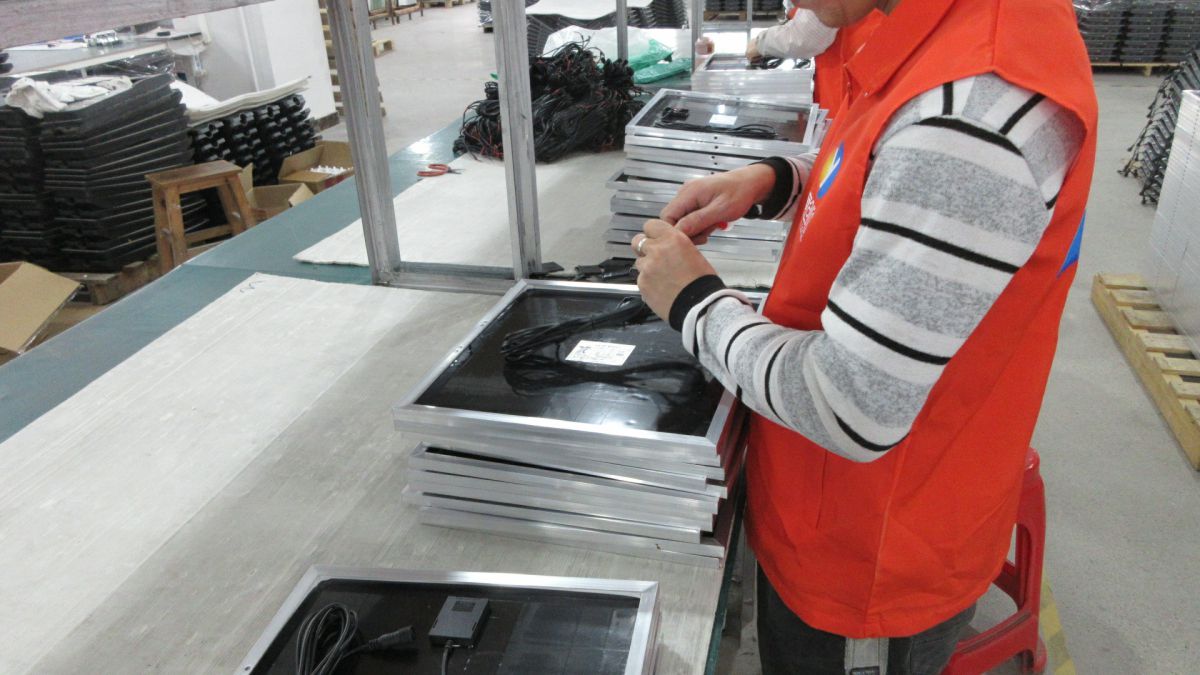
Our structured assembly line optimizes product positioning, ensures correct component alignment, and reduces static discharge risks.
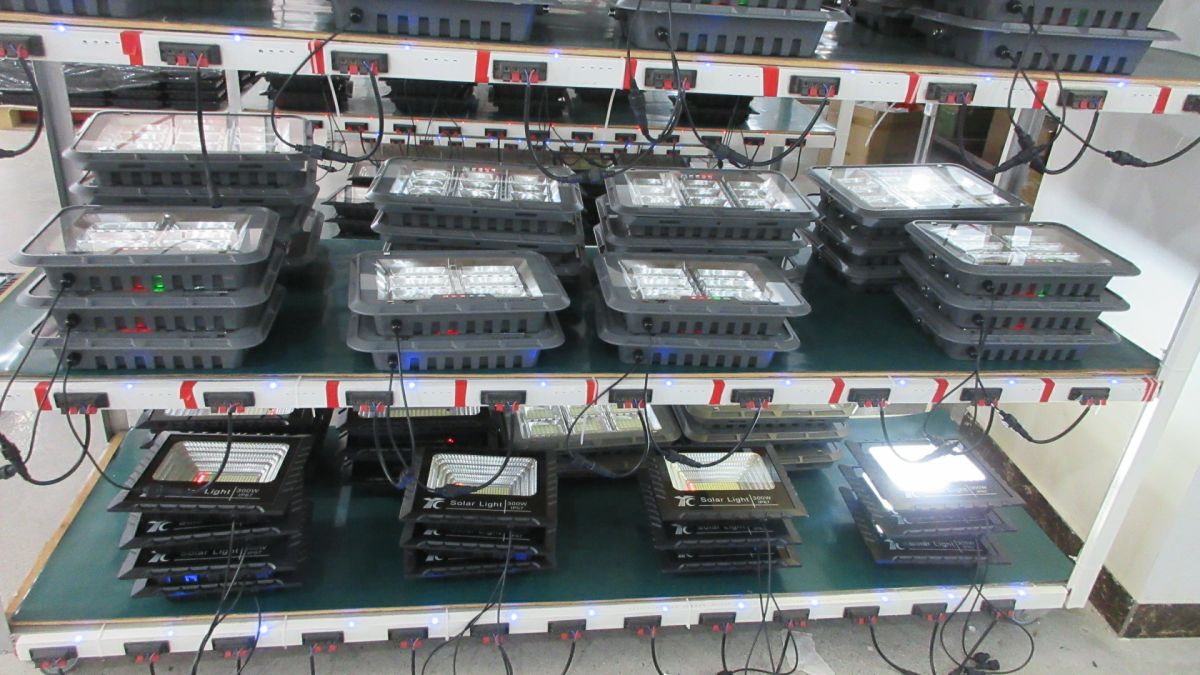
Quality specialists test every batch for optical anomalies, structural defects, and electrical continuity before approvals.
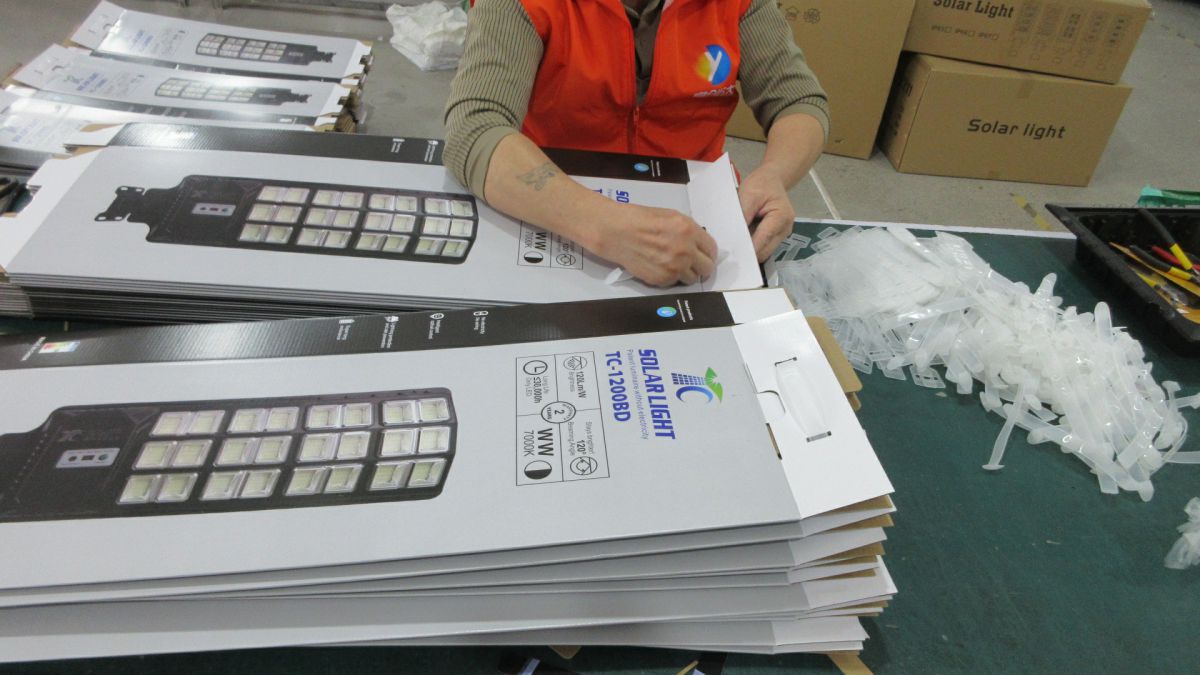
We package products using thick anti-static wraps and reinforced cartons to absorb mechanical shocks during global transit.
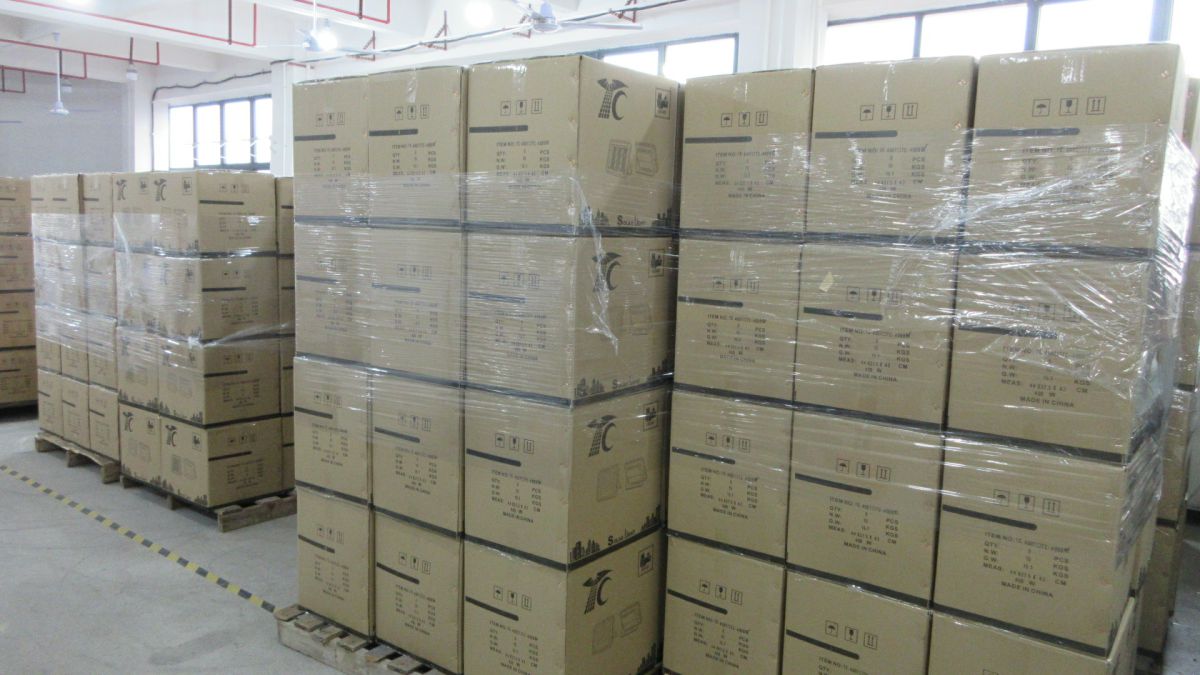
Our temperature-controlled storage facility separates raw materials, components, and finished units for efficient logistics.
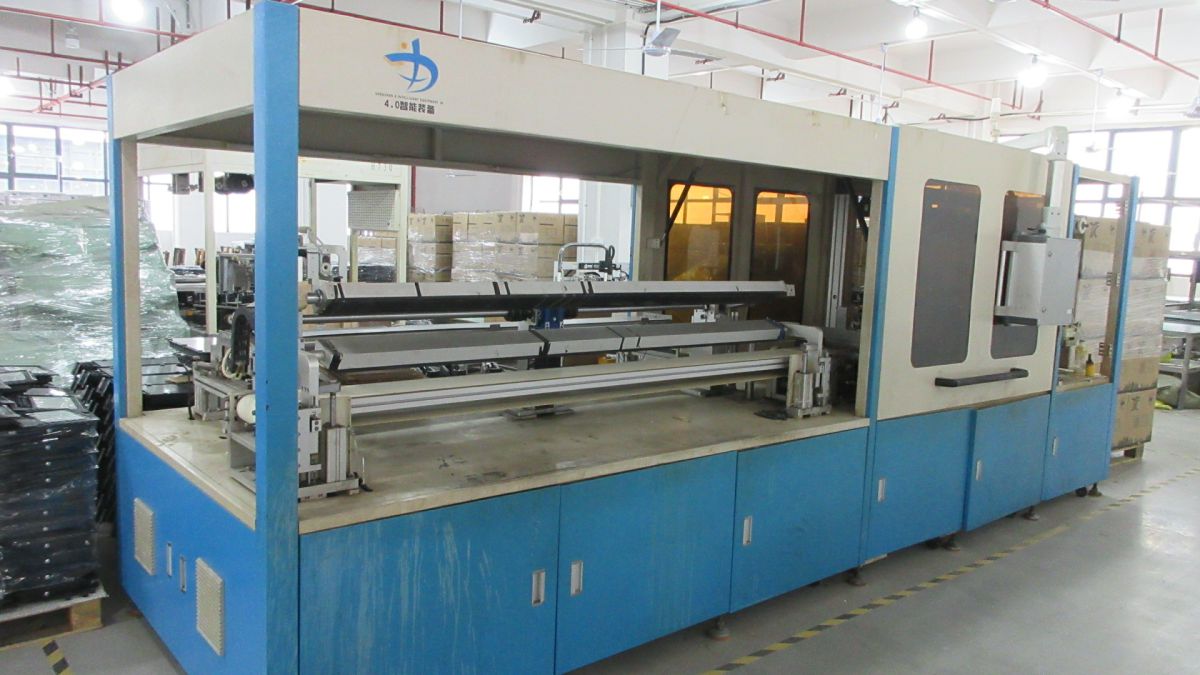
High-precision automated solar cell interconnection welding yields optimal electrical conductivity and long-term PV durability.
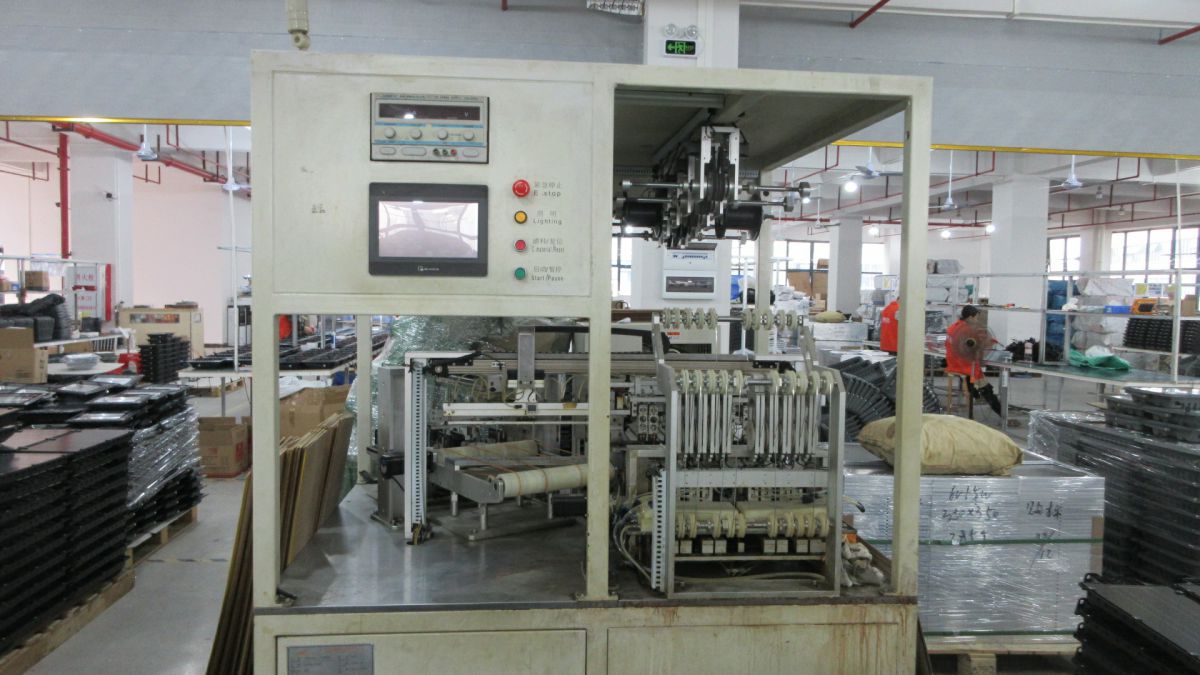
Advanced ribbon-welding machinery minimizes thermal stress on cells, maintaining long-term solar conversion efficiency.
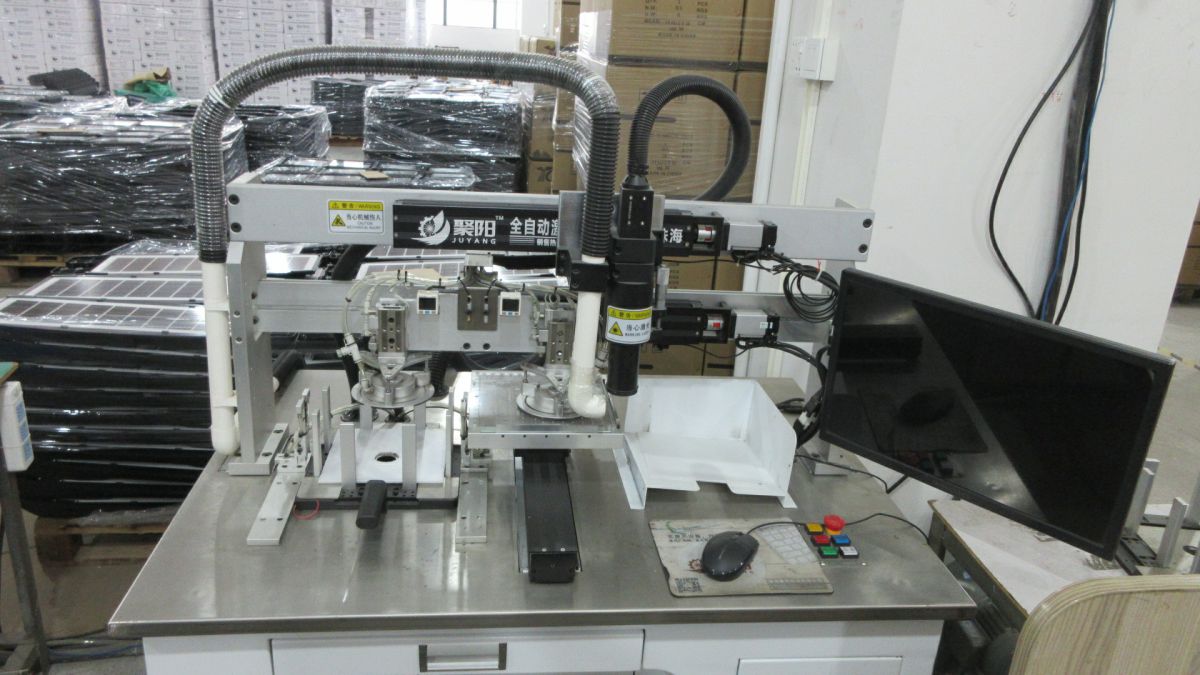
Automated diamond-edge laser cutting produces clean borders on monocrystalline cells, preventing microscopic edge fracturing.
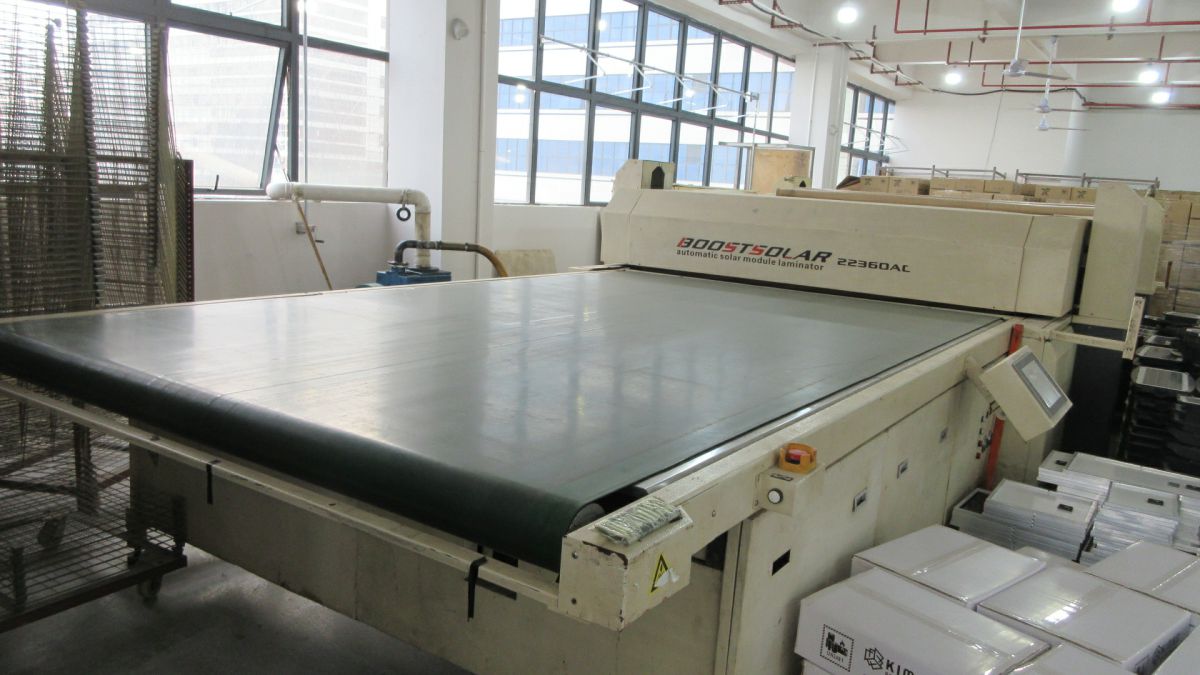
High-pressure vacuum lamination seals EVA, backsheets, and glass, preventing moisture intrusion under harsh conditions.
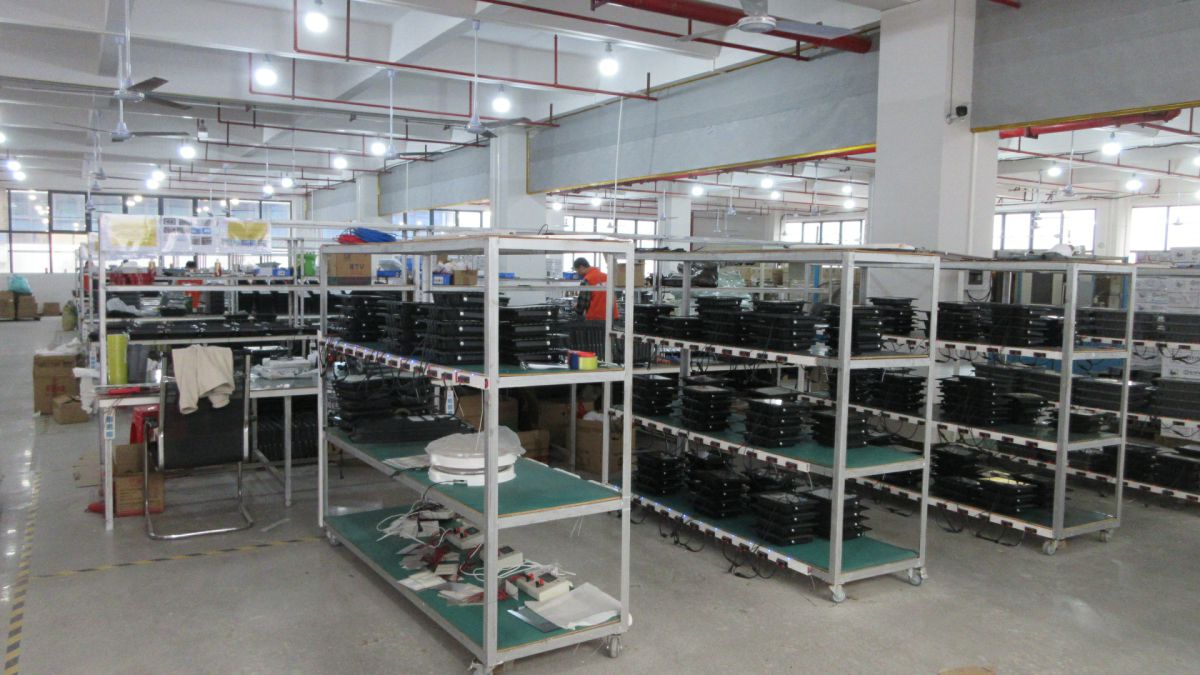
Our aging racks run high-voltage, high-heat, and cycling tests on all finished assemblies to identify premature component failures.
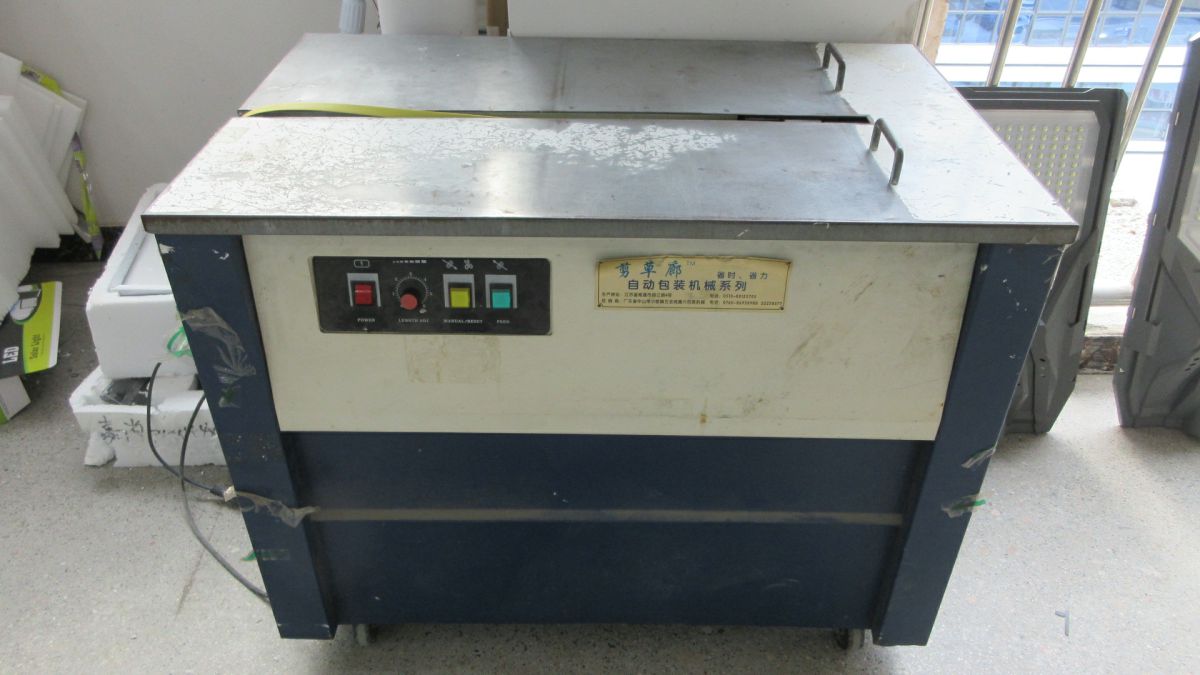
High-speed shrink wrapping and labeling systems speed up order fulfillment while protecting boxes against moisture.
Our core structural assets that protect your project schedules and product specifications.
Our core R&D, quality control, production, and sales managers average 5 to 10+ years of experience in the LED lighting industry. This depth of expertise helps us design customized lighting layouts and resolve integration challenges quickly.
We maintain stock levels of critical raw materials, including LED chips, Meanwell drivers, and raw extrusion billets. This inventory buffers us from supply chain shocks, shortens production lead times, and stabilizes unit costs.
Our quality control program is managed by a specialist with 15+ years of inspection experience. We run incoming material testing, in-process line checks, finished burn-in tests, and pre-shipment inspections to maintain quality standards.
We respond to technical questions and inquiries within 24 hours. When engineering issues arise, our team delivers detailed corrective action plans and solution drawings within 48 hours.
We reinvest profits into dynamic optical developments, intelligent wireless dimming systems, high-efficiency solar modules, and structural improvements to keep our clients ahead in their markets.
Our R&D vision for smart controllers, solar-battery integration, and enhanced thermal performance.
The global lighting industry is shifting from static, energy-efficient fixtures to dynamic, connected solid-state lighting systems. At Guangdong Habel Lighting, our R&D roadmap targets three core areas to help clients maintain a technological edge:
Our engineering laboratory projects a steady increase in luminous efficacy and thermal performance over the coming years:
Navigating safety regulations, CE / ATEX compliance standards, and site-specific configuration needs.
We supply CE, RoHS, and UKCA compliant luminaires that meet EU EcoDesign guidelines. Our designs minimize electromagnetic interference (EMC) and line-conducted harmonics, ensuring stable integration into industrial power systems.
Our explosion-proof LED products undergo testing to meet ATEX and IECEx standards for Zone 1 and Zone 2 gas atmospheres, as well as Zone 21 and Zone 22 dust hazards, ensuring safe operation in hazardous environments.
For seaside infrastructure, offshore platforms, and port equipment, we apply C5-M certified coatings. This multi-layered defense resists salt mist, chemical exposure, and moisture ingress over long operating lifespans.
Industrial projects require careful engineering alignment. We work closely with municipal planners, engineering consultants, and installation contractors to provide customized support:
We generate complete 3D photometric plans to verify target lux values, average uniformity, and glare ratings before hardware is purchased.
We configure driver assemblies for localized grids: 100-277VAC, 347-480VAC high-voltage grids, or 12V/24VDC off-grid systems.
We build custom brackets, slip-fitter adapters, wall mounts, and pendant fixtures to simplify onsite installation and retrofit projects.
Key engineering questions and answers about specifying, installing, and maintaining high-power LED systems.
Hazardous location high bays, municipal street lighting, refrigeration lighting, and agricultural solar modules.
 Habel Lighting